Botanical illustrators seeking stroke control
If you vary line weight across stems, veins and petals or build shading with angled strokes, check pressure and tilt support for the exact pen, device and drawing app.


Choose a pen made for your exact tablet or drawing device before comparing brush controls. For detailed botanical studies, check pressure and tilt support in your drawing app; a tablet-native pen suits a desk you need to clear, while a computer-connected drawing surface makes more sense if you have a regular workstation.
If you vary line weight across stems, veins and petals or build shading with angled strokes, check pressure and tilt support for the exact pen, device and drawing app.
If your drawing space must be cleared between tasks, the way a pen attaches, charges and travels with its tablet matters alongside its drawing controls.
If you already own an iPad, Galaxy Tab, Surface or computer-connected drawing device, identify its exact model before choosing a stylus. A product-family name alone does not establish compatibility.
Start with the device you already use, then check which drawing inputs your app can use. At a shared desk, weigh charging and pack-away needs against the setup required for a computer-connected drawing surface.
| Concern | What to check | Who this matters to |
|---|---|---|
| Device compatibility | Match the exact tablet or drawing-device model to the pen maker’s compatibility list; on Surface, also check inking support. | When I already own a tablet, I need a pen that works with its particular model rather than its brand alone; around 34% of consumers put device compatibility first. |
| Drawing control | Check pressure and tilt for the pen–device pairing and drawing app; assess extra brush controls only if you would use them. | For fine veins and changes in shading, I want the app to respond to the strokes I intend to make; around 33% of consumers prioritise botanical drawing control. |
| Shared-desk readiness | Check whether magnetic attachment provides storage, charging or both, and whether a cable or accessory is needed. | If I pack away after each session, I want to keep the pen with the tablet and know how it will charge; roughly 20% of consumers put shared-desk convenience first. |
| Computer workspace | For a Wacom One setup, confirm the precise model, host-device connection and any required driver. | When my drawing work centres on computer software, I may accept a connected surface and setup steps; around 13% of consumers prioritise workstation integration. |
Apple, Samsung, Microsoft and Wacom specify compatibility by device or product model. A pen from the right brand can still be the wrong choice for your particular setup.
Find the exact model and generation in your device settings or on its label, then compare them with the pen maker’s compatibility list.
Pressure, tilt, hover and shortcut controls vary by pen and compatible device. The drawing app also needs to use the inputs that matter for your brushwork.
List the controls you need for outlines and shading, then check the exact pen–device pairing and your intended app.
Magnetic storage does not necessarily mean on-tablet charging. Apple says Apple Pencil (USB-C) pairs and charges by cable, while Microsoft specifies compatible charging devices or accessories for Surface Slim Pen.
Before choosing a pen or case, check how the pen charges and where it will sit when you clear the desk.
Apple Pencil models offer a tablet-native route for specified iPads, but their controls and charging methods differ.
The cited S Pen is an option for Samsung’s listed Galaxy Tab S9 and S10 models.
Surface pens are an option for pen-enabled Surface devices and certain compatible Windows PCs.
Wacom One pen displays and pen tablets suit a drawing workspace connected to a supported host device, rather than acting as universal tablet styluses.
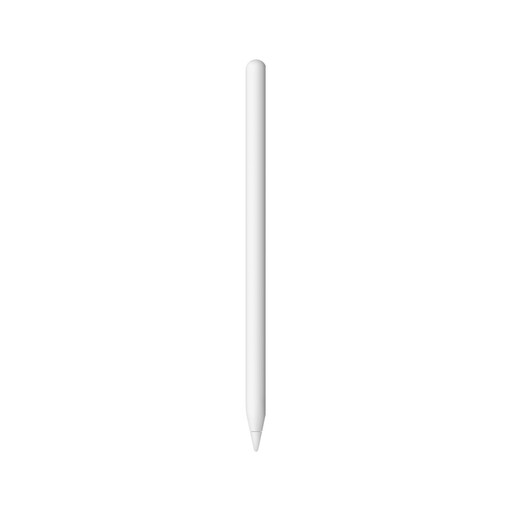
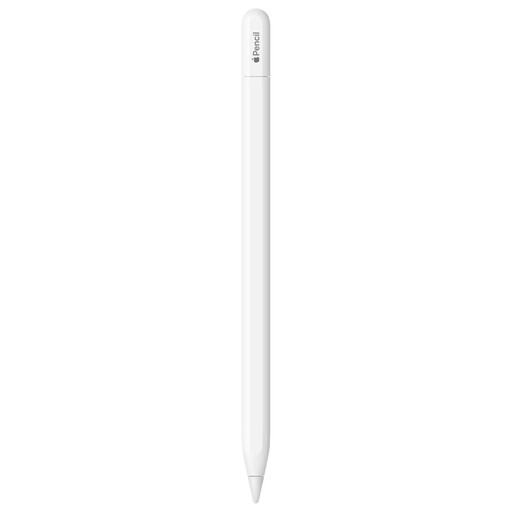
These Apple Pencil options are for an iPad-based drawing setup at a shared desk. Choose between them only after matching your exact iPad and checking the drawing controls you need.
 No image available
Consider this for drawing at a shared desk if your iPad supports Apple Pencil (2nd Generation). Check your exact iPad model and whether your drawing app offers the pressure, tilt and tool controls you need.
 No image available
Consider this for sketching and botanical shading on a compatible iPad if USB-C cable charging suits your desk setup. Apple describes tilt sensitivity and magnetic storage for this model; check pressure requirements separately for your drawing app. Magnetic attachment is for storage, not on-tablet charging.
No. Apple, Samsung, Microsoft and Wacom specify supported devices or host connections by model. Check your exact device against the particular pen’s compatibility information before buying.
Pressure and tilt are worth checking if you want to vary outlines and shading with your strokes. Confirm both for the exact pen, device and drawing app; tilt support alone does not establish pressure support.
Choose a charging and storage arrangement that fits how you pack away. Apple says Apple Pencil (USB-C) stores magnetically but charges by cable, while the cited Samsung S Pen charges when attached to a compatible tablet; Surface Slim Pen needs a compatible charging device or accessory.
Consider Wacom One if you have a regular desk and want a drawing surface connected to your computer or another supported host device. Check the exact Wacom One model and connection requirements; Wacom says Windows and macOS require a driver.