Diagram annotators with an existing tablet
If you mainly add arrows, labels, shapes and handwritten explanations to worksheets or PDFs, start by checking which styluses work with the tablet you already own.


Choose a stylus confirmed to work with your exact tablet before comparing drawing features. For labelled diagrams and PDF annotation, focus on precise input and a manageable charging and storage routine; pressure sensitivity and shortcut controls matter more if you regularly vary line weight or switch tools. On a small desk, the tablet itself takes up most of the space, so consider how the pen is stored between sessions.
If you mainly add arrows, labels, shapes and handwritten explanations to worksheets or PDFs, start by checking which styluses work with the tablet you already own.
If you draw detailed diagrams regularly, check whether your tablet and drawing app can use pressure, tilt and shortcut controls. Those features are less relevant to occasional labels and arrows.
If you draw diagrams during short study or teaching sessions, consider where the pen rests between uses and what you need to connect when charging it.
Identify your tablet model first. Then decide whether your diagrams call for drawing controls beyond basic annotation, and check how the pen fits into your desk setup.
| Concern | What to check | Who this matters to |
|---|---|---|
| Exact tablet compatibility | Match the tablet model and generation to the maker's stylus list; check software and adapter requirements. | If my pen cannot work with my tablet, its drawing controls are irrelevant. Around 36% of consumers put confirmed compatibility first. |
| Diagram controls | Check whether the pen and your app support the pressure, tilt or shortcuts your diagrams use. | When I sketch detailed figures, variable lines or quicker tool changes may matter more than they do for simple labels. For around 29% of consumers, drawing control is the primary need. |
| Storage and charging | Check how the pen attaches, whether attachment charges it, and which cable or adapter it needs. | I want the pen ready for a short session without leaving it loose on a crowded desk. Keeping that routine manageable comes first for around 21% of consumers. |
| Features and upkeep | Compare the exact model's features, replacement-tip options and seller support. | If I mostly annotate, I would rather choose controls I will use and know how to maintain the pen. Around 14% of consumers make that their primary concern. |
A stylus can share a brand or connector with your tablet yet still require a different model or software version. Apple's first-generation Pencil also requires a USB-C to Apple Pencil Adapter for pairing and charging with iPad (A16) and iPad (10th generation).
Find your tablet's exact model, then check the maker's compatibility list and pairing instructions for that stylus.
Apple lists pressure sensitivity and controls including squeeze and barrel roll for Apple Pencil Pro, but not for Apple Pencil (USB-C). Those differences matter most when your diagram work uses variable line weight or frequent tool changes.
Consider the diagrams you actually make and check which controls your drawing app can use.
Apple lists magnetic attachment for both Apple Pencil Pro and Apple Pencil (USB-C), but the USB-C model pairs and charges by cable rather than through that attachment.
Check the charging method for the exact pen and allow room for its cable when planning your desk setup.
Citizens Advice distinguishes changing your mind from seeking a remedy when goods are faulty or not as described. A seller's voluntary returns policy is not the whole picture for a fault.
Keep your order confirmation and describe the fault or disputed product description clearly when contacting the seller.
Apple Pencil models offer different drawing controls for specified iPads.
The S Pen route is relevant to owners of compatible Galaxy Tab models who draw, write or annotate on screen.
Tab Pen Plus is a drawing and note-taking option for Lenovo tablets confirmed as compatible.
Crayon (USB-C) is an iPad-focused route for drawing and annotation with cable charging.
These Apple Pencil models suit different kinds of diagram work on compatible iPads: compare their drawing controls and charging methods after confirming your exact iPad model.
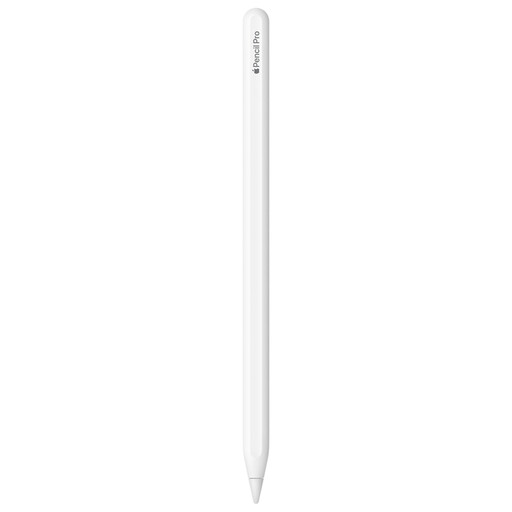 Image unavailable
Consider this model if you regularly sketch detailed diagrams and use variable line weight or drawing shortcuts.
Apple lists pressure sensitivity, tilt, squeeze, barrel roll and magnetic pairing and charging for Pencil Pro. Check your exact iPad against Apple's compatible-model list and its iPadOS requirement before buying.
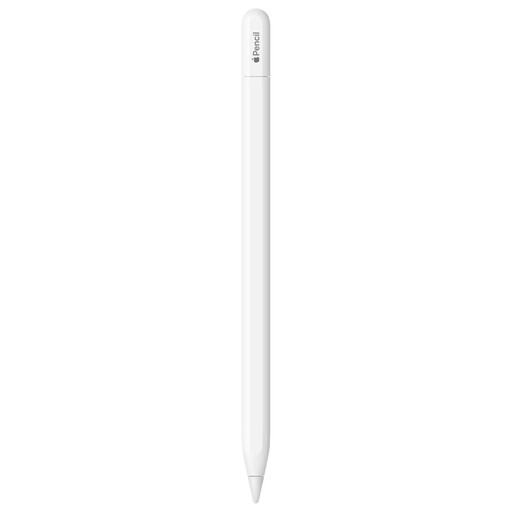 Image unavailable
Consider this model for labelled diagrams, handwritten notes and document mark-up on a compatible iPad.
Apple lists precise input, tilt and magnetic attachment for storage. It pairs and charges with a USB-C cable; unlike Apple Pencil Pro, it does not offer pressure sensitivity or wireless magnetic charging. Confirm your iPad model and software requirements before buying.
No: check the exact tablet model against the stylus maker's compatibility list. Apple Pencil support varies by iPad generation and software version, Samsung's cited replacement S Pen is for named Galaxy Tab FE models, and Lenovo directs Tab Pen Plus buyers to check system compatibility.
Not if you mainly draw labels, arrows and shapes or mark up PDFs. Pressure sensitivity is worth checking when your work calls for force-based line variation or more illustrative sketching; Apple lists it for Pencil Pro but not for Pencil (USB-C).
Check where the pen attaches or rests and how it charges before choosing a model. Apple Pencil (USB-C) attaches magnetically for storage but needs a USB-C cable for pairing and charging, while Apple Pencil Pro pairs and charges through its magnetic connection on compatible iPads.
Contact the seller about the fault or discrepancy rather than relying only on a change-of-mind return. Citizens Advice distinguishes remedies for faulty or misdescribed goods from voluntary returns; keep your receipt and the description you relied on when ordering.