Choose a stylus that works with your exact tablet before comparing drawing controls: Apple Pencil models require compatible iPads, the cited S Pen is for compatible Galaxy Tabs, and Surface Slim Pen requires a Surface device that supports inking. For geometry lessons, check palm rejection and the tools in your teaching app, then choose a charging and storage arrangement that fits how often you teach or mark work. If screen-tapping sound matters in your quiet study, try the pen with your screen and protector where possible rather than assuming one model will be quieter.
Who these styluses suit
Teachers annotating on an iPad
If you already use a compatible iPad to label figures and mark diagrams, compare Apple Pencil models by the controls your app supports and how you will charge the pen. Apple lists palm rejection and tilt sensitivity across its Pencil range; Pencil Pro adds controls and hover on selected iPads.
Teachers using a Galaxy Tab
For handwriting, sketches and annotation in Samsung Notes, check the S Pen against your exact Galaxy Tab series. Samsung describes pressure and tilt sensitivity for the cited Tab pen; storage, charging and shortcut behaviour depend on the compatible setup and app.
Teachers planning lessons on a Surface
If you prepare diagrams or feedback in Windows applications or OneNote, check whether your Surface model supports pen input before choosing Surface Slim Pen. Microsoft lists palm rejection and tilt, but its compatibility information distinguishes features by device and app.
What to check before buying
For geometry teaching in a quiet study, establish tablet compatibility first. Then consider control over marks and how charging or tool changes fit into a lesson.
| Concern |
What to check |
Who this matters to |
| Tablet compatibility |
Match the exact tablet and pen models against the maker’s compatibility list; check the required pairing or charging method. |
If I already teach from a tablet, I need the pen to ink on that model before extra controls matter. Around 46% of consumers put exact compatibility first. |
| Diagram control |
Check palm rejection and the drawing or shape tools in your teaching app; confirm whether supported tilt, pressure or hover features work there. |
When I draw construction lines and correct small labels, I want marks to land where intended without stray touches. Around 36% of consumers prioritise control over diagram marking. |
| Lesson flow |
Confirm how the pen charges and is stored, and whether its tool shortcuts work in the app you use. |
During repeated lessons and marking sessions, I want the pen ready to use and tool changes to cause fewer pauses. Around 18% of consumers put uninterrupted workflow first. |
Buying pitfalls
-
Assuming a magnetic fit means the pen is compatible
A pen’s physical attachment does not establish that inking, pairing, charging or advanced controls will work. Apple, Samsung and Microsoft specify support by device model.
Note your tablet’s exact model and generation, then check it against the pen maker’s compatibility information.
-
Choosing by pressure levels or gestures alone
Those features do not establish how a pen will behave in your geometry, PDF or whiteboard app. Routine diagrams also depend on the app’s line and shape tools and on avoiding unintended touch marks.
Check the tools and pen features in the app you teach with, including how you switch between drawing and erasing.
-
Overlooking the charging setup
Magnetic, cable and accessory-based charging need different arrangements. A compatible pen can still be inconvenient if it cannot be charged or stored where you prepare lessons.
Check where the pen charges, what charging equipment is included and where it will stay between sessions.
Some Surface Slim Pen setups require a compatible keyboard or separate charger.
Relevant brands to consider
Apple
Apple Pencil models are options for teachers who already use an iPad that supports the particular pen.
- Apple lists palm rejection and tilt sensitivity across its Pencil range. Pencil Pro adds hover and shortcut controls on selected compatible iPads.
- Compatibility and features differ by Pencil and iPad model. Apple Pencil (USB-C) pairs and charges by cable, while its hover support is limited to listed iPads.
Samsung
The cited Tab S Pen is a Galaxy Tab-specific option for handwriting and sketching, including work in Samsung Notes.
- Samsung describes pressure- and tilt-sensitive input for the cited Tab S Pen.
- Check the exact pen and tablet series. Air Command functions can vary by app, and functions that use Bluetooth require a charged pen.
Microsoft
Surface Slim Pen is an option for geometry material prepared on compatible Surface hardware in Windows applications or OneNote.
- Microsoft lists palm rejection, tilt and 4,096 pressure points for Surface Slim Pen.
- Not every Surface model supports inking. Charging options and tactile-signal support vary by device, with app support also affecting tactile signals.
Joybuy stylus choices for compatible iPads
These Apple Pencil models are choices for teachers who draw and annotate geometry on compatible iPads. Check your exact iPad model and teaching app before choosing between their controls and charging arrangements.
 No image available
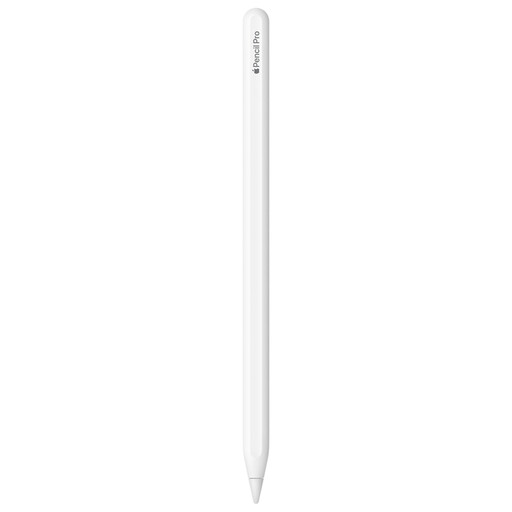
Apple Pencil Pro
Consider this model for diagram annotation on a compatible iPad if hover preview and quick tool changes are useful in your teaching app.
Apple lists squeeze, barrel roll, haptic feedback and magnetic pairing and charging for Pencil Pro. Check the exact iPad compatibility list before buying.
View on Joybuy
 No image available
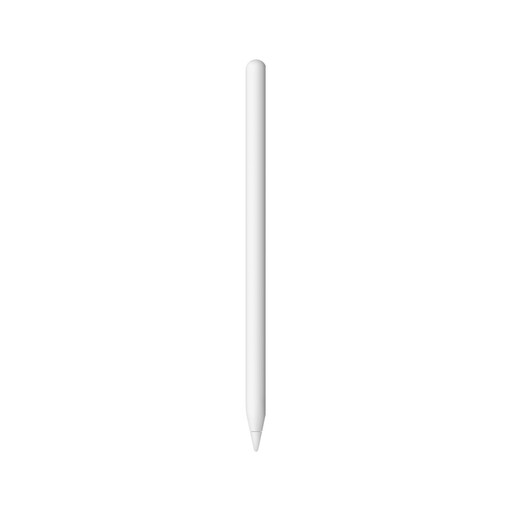
Apple Pencil (2nd Generation)
This model is a choice for handwritten labels and PDF mark-up if your iPad supports Apple Pencil (2nd Generation).
Check your exact iPad against its compatibility list and confirm that the pen controls you intend to use work in your teaching app.
View on Joybuy
 No image available
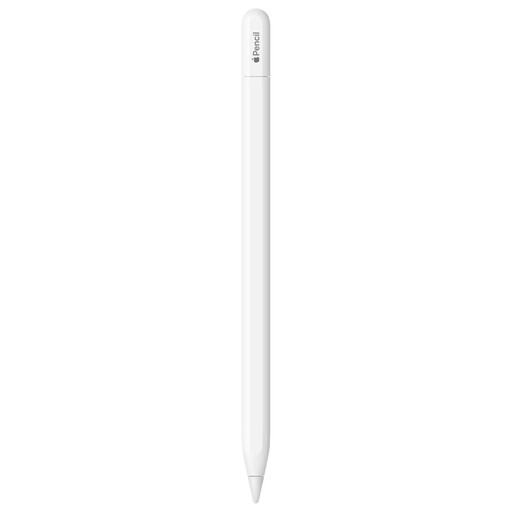
Apple Pencil (USB-C)
Consider it for sketching figures and marking documents if you use an iPad that supports Apple Pencil (USB-C) and can accommodate cable charging.
Apple states that it pairs and charges via a USB-C cable and attaches magnetically for storage. Check the exact iPad compatibility list; hover is available only on the iPad models Apple specifies.
View on Joybuy
Questions about geometry teaching styluses
Will a universal stylus work for geometry lessons?
Not necessarily: if you need active features such as palm rejection, check which pen standard and model your tablet supports. The Universal Stylus Initiative describes USI as an active-stylus standard, but the tablet must support USI for a compatible USI pen to work.
What should I check if I rest my hand on the screen while drawing?
Check palm rejection on the exact tablet-and-pen combination. Apple lists it for Apple Pencil, and Microsoft describes it for Surface Slim Pen on supported devices; also check how your teaching app handles touch while you write.
Do I need pressure sensitivity to teach geometry?
Not necessarily: for labelled diagrams and corrections, start with compatible pen input and the line, shape and annotation tools in your app. Samsung and Microsoft list pressure-sensitive input for the cited pens, but that does not establish that every geometry app uses it.
How can I keep a stylus ready for lessons?
Choose a charging method you can use regularly with your tablet setup. Apple Pencil Pro charges magnetically on compatible iPads, Apple Pencil (USB-C) charges by cable, and Surface Slim Pen requires supported charging hardware; check the exact arrangement before ordering.


