Owners choosing a pen for an existing tablet
If you already have an iPad, Galaxy Tab or Chrome OS device, start with its exact model and supported pen type. A familiar connector or similar-looking stylus does not establish compatibility.


Choose a stylus that supports your exact tablet model before comparing drawing controls: Apple Pencil models work with specified iPads, Samsung S Pens with compatible Galaxy Tabs, and the Lenovo USI Pen 2 Magnetic with USI 2.0 Chrome OS devices. For detailed costume sketches, consider pressure and tilt where your compatible pen and drawing app support them; for short sessions at a shared desk, storage and charging may matter more than extra controls.
If you already have an iPad, Galaxy Tab or Chrome OS device, start with its exact model and supported pen type. A familiar connector or similar-looking stylus does not establish compatibility.
When sketches call for different outlines, shading or patterned details, pressure, tilt and tool controls are worth considering after you have narrowed the choice to compatible pens.
For short sessions in limited space, consider where the pen will stay between uses and how you will charge it. Magnetic storage and magnetic charging are different features, so check both.
Start with the tablet model and pen protocol, then decide which drawing controls and storage routine suit your costume-sketching sessions.
| Concern | What to check | Who this matters to |
|---|---|---|
| Tablet compatibility | Match the tablet’s exact model and generation to the pen maker’s compatibility information; for a Chrome OS device, confirm its supported pen protocol. | If I already own a tablet, I need a pen that works with that particular model rather than one that merely looks suitable. Around 36% of consumers put compatibility first. |
| Sketch controls | Check the compatible pen’s pressure and tilt features, then whether your intended drawing app recognises the controls you want. | For costume outlines and shading, I want to vary my marks instead of relying on one fixed stroke; around 29% of consumers make drawing control their main concern. |
| Storage and charging | Check whether magnetic attachment provides storage, charging or both, and whether pairing or charging needs a cable. | At a shared desk, I need to put the pen away quickly and find it ready for my next short session. Keeping it stored and charged is the priority for around 21% of consumers. |
| Unneeded accessories | Check what comes with the tablet package and whether the compatible pen needs a separate charging cable. | If I mainly jot down rough costume ideas, I do not want another pen when my tablet package already includes a suitable one; around 14% of consumers focus chiefly on avoiding unnecessary accessories. |
Apple Pencil models have their own compatible-iPad lists, while Lenovo specifies USI 2.0 on Chrome OS for its USI Pen 2 Magnetic. A touchscreen or USB-C port alone does not establish active-pen compatibility.
Note your tablet’s full model and generation, then check the manufacturer’s supported-pen information before ordering.
Pressure, tilt or gesture controls matter to a sketching workflow only if the pen works with the device and the relevant controls work in your drawing app.
Filter pens by tablet compatibility first, then compare the controls you would actually use for outlines, shading or tool changes.
Apple says Pencil Pro pairs and charges magnetically on compatible iPads, whereas Apple Pencil (USB-C) attaches magnetically for storage but uses a USB-C cable for pairing and charging.
Check both functions separately and plan where the pen and any required cable will stay at the shared desk.
Apple Pencil models are options for buyers with a specifically compatible iPad.
The Galaxy Tab S Pen route is relevant when your Samsung tablet supports the particular pen.
The USI Pen 2 Magnetic is a route for a confirmed USI 2.0 Chrome OS device.
These Apple Pencil options are relevant if you sketch on an iPad. Check your exact iPad model against the compatibility information for the individual Pencil before choosing between drawing controls and charging routines.
 No image available
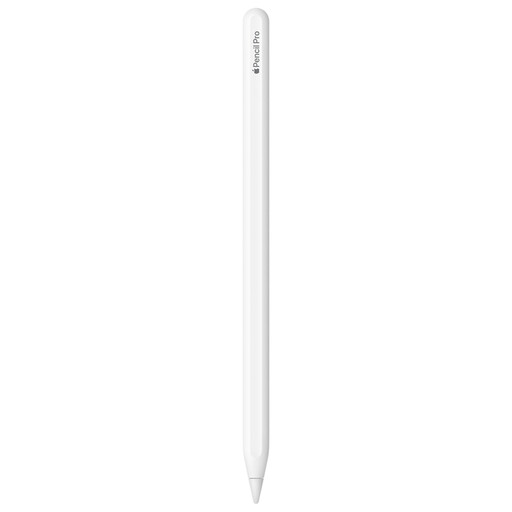
Consider this for costume sketches if your iPad supports Apple Pencil Pro and you want its drawing controls. Apple lists pressure and tilt sensitivity, squeeze and barrel roll, plus magnetic pairing and charging on compatible iPads. Confirm your exact iPad model and generation against Apple’s compatibility information.
 No image available
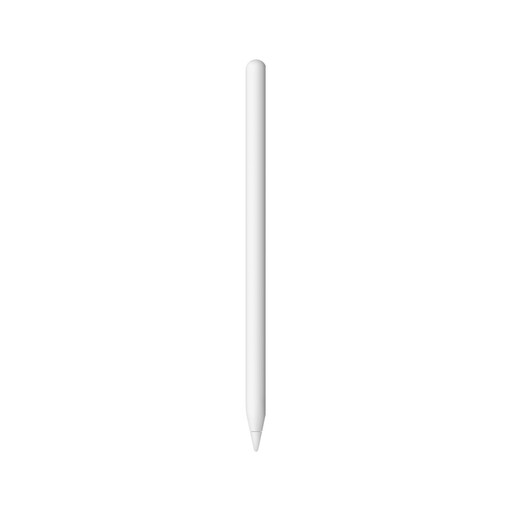
Consider this second-generation Pencil for iPad sketching only after checking your exact iPad model and generation. If you need a particular drawing control or a way to keep the pen ready between shared-desk sessions, confirm those functions for your iPad before choosing it.
 No image available
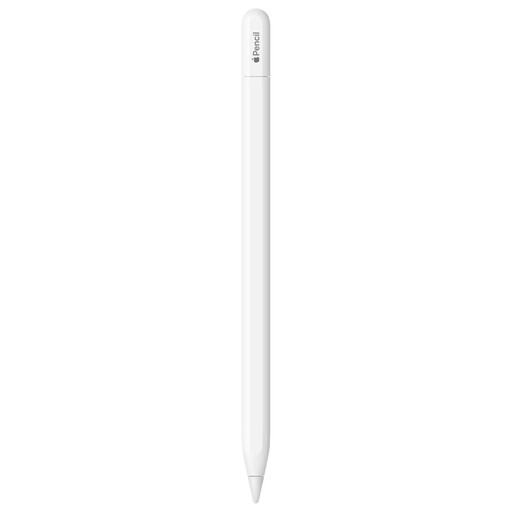
Consider this for straightforward sketches on a compatible iPad if cable charging fits your routine. Apple says it attaches magnetically for storage but pairs and charges through a USB-C cable. Confirm your exact iPad model and generation against Apple’s compatibility information.
No. USB-C may describe how a pen charges or pairs, rather than which tablets support its active-pen functions. Check your tablet’s full model against the pen maker’s compatibility information; Lenovo’s USI Pen 2 Magnetic, for example, is specified for USI 2.0 on Chrome OS.
After confirming compatibility, consider pressure and tilt if you want varied outlines or shading, and check whether your drawing app recognises them. Apple lists both for Apple Pencil Pro; Samsung describes pressure sensitivity for the Tab S Pen, while Lenovo lists pressure and tilt for its USI Pen 2 Magnetic.
Choose a compatible pen whose storage and charging routine fits the space. Apple Pencil Pro attaches, pairs and charges magnetically on compatible iPads; Apple Pencil (USB-C) attaches magnetically for storage but needs a USB-C cable for pairing and charging.
Look for clear product, manufacturer and seller information, and ask which product-marking requirements apply where the accessory will be supplied. Great Britain and Northern Ireland have different marking frameworks; a marketplace listing alone does not establish whether an individual pen meets the applicable requirements.