What to check before buying
Start with the device you will draw on, then decide whether you want to work directly on its screen or use a drawing surface connected to another device. Compare brush controls and setup requirements within that compatible route.
Pen for an existing tablet
Choose when: You want to paint directly on a compatible iPad, Galaxy Tab or Surface you already use.
Trade-off: Pen versions and drawing functions are tied to particular device models; a supported tablet does not imply support for every pen in its range.
Computer-connected drawing surface
Choose when: You paint at a fixed desk using a compatible computer or other supported host device.
Trade-off: A pen tablet or pen display is not a drop-in stylus for an existing iPad, Galaxy Tab or Surface; connections and software become part of the setup.
| Concern |
What to check |
Who this matters to |
| Device and app compatibility |
Match the exact device model to the precise pen version; check whether your portrait app uses the controls you need. |
If I already own a tablet, I need a pen that works with it rather than one that merely looks suitable. Around 36% of consumers put that compatibility need first. |
| Brush and shading control |
Check pressure and tilt support for the pen, device and app; consider tool-switch controls if you use them often. |
When I build a portrait with varied strokes and shading, I want my chosen brushes to respond to the pen's inputs. For around 29% of consumers, that control is the primary concern. |
| Desk workflow |
Choose between drawing on the screen and using a separate surface; check desk space and required connections. |
I paint mainly at my study desk and need a drawing arrangement I can set up and use without disrupting the space. This is the leading concern for around 21% of consumers. |
| Setup and upkeep |
Confirm what comes with the product and whether your setup needs a separate cable, charger or other accessory. |
I want to know which parts I will need to keep the pen or drawing surface usable over time. Around 14% of consumers place that requirement first. |
Joybuy products for direct-on-screen drawing
These products cover three Apple Pencil versions for compatible iPads and a TECLAST Android tablet sold with a stylus. Choose between the pens only after identifying your iPad; the TECLAST option is a tablet-and-pen setup rather than a replacement pen for one you already own.
 No image available
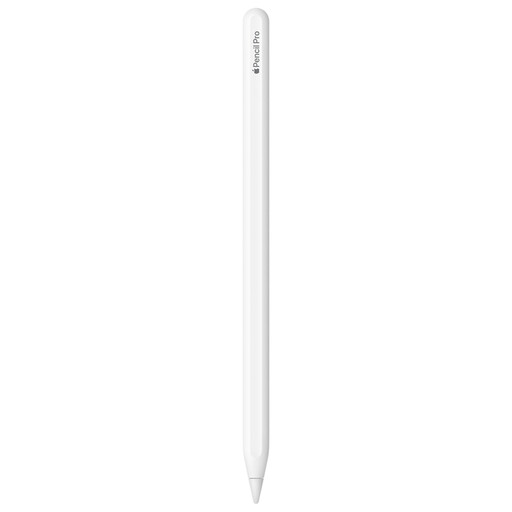
Apple Pencil Pro (2024)
Consider this for portrait painting directly on an iPad confirmed to support Apple Pencil Pro. Apple lists pressure sensitivity and controls including squeeze and barrel roll for this model; check how your painting app uses them and confirm the exact iPad model before ordering.
Joybuy
 No image available
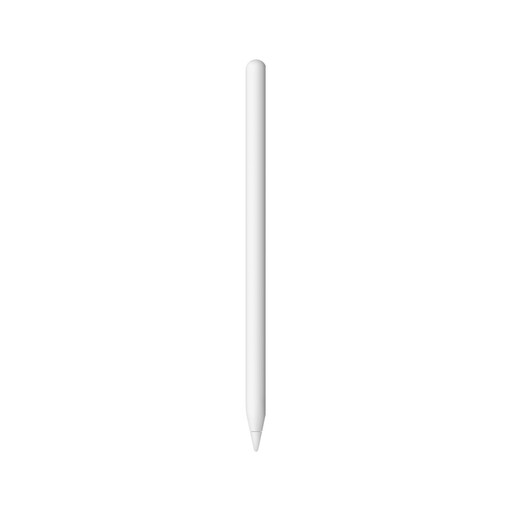
Apple Pencil (2nd Generation)
This is a direct-on-screen pen choice if your exact iPad supports Apple Pencil (2nd Generation). Check that pairing and charging work with your iPad, then confirm the brush controls you need in your portrait app rather than assuming they match Apple Pencil Pro.
Joybuy
 No image available
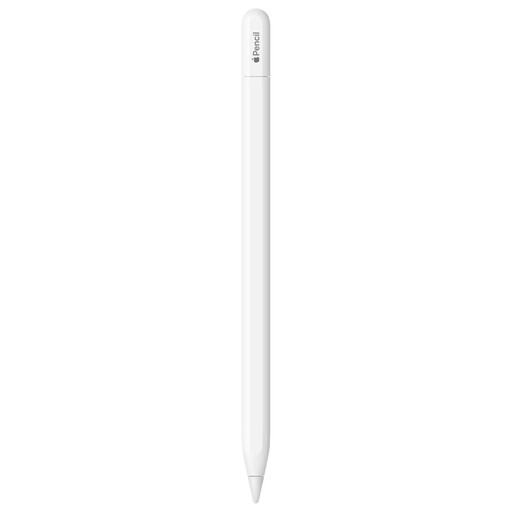
Apple Pencil (USB-C)
Consider this USB-C Pencil for sketching on an iPad confirmed to support it. Apple distinguishes its feature set from other Pencil models, so check pressure-based brush requirements as well as the charging connection before choosing it for portraits.
Joybuy
 No image available
TECLAST ArtPad Pro 12.7-inch tablet with stylus (2025 Edition)
This is a tablet-and-stylus option if you want to draw on a screen rather than add a pen to an existing iPad. Its product name specifies a 12.7-inch 2K display, Android 15, an included stylus and 4,096-level pressure sensitivity for T-Pen drawing; check that your intended portrait app uses the pressure input you need.
The listed configuration has a Helio G99 (MT8781) processor, 8GB RAM plus 12GB virtual RAM and 256GB storage. Check stylus charging and storage arrangements if they matter to your desk setup.
Joybuy
Frequently asked questions
Will any active stylus work with my tablet for portrait painting?
No: active-pen compatibility depends on the exact tablet and pen model. Apple provides compatible-iPad lists for its Pencil models, Microsoft details Surface-model pen support, and Samsung identifies supported Galaxy Tab series for its replacement S Pen; check your device before ordering.
Should I prioritise pressure sensitivity or tilt?
Prioritise the input your portrait brushes actually use. Pressure can control strokes when the pen, device and app support it, while tilt may help with brushes designed for angled input; neither specification alone establishes how every painting app will behave.
Can a computer-connected drawing tablet work on its own?
A pen tablet or pen display such as Wacom One needs a compatible host device rather than working as a standalone tablet. Wacom lists PC, Mac, Chromebook and compatible Android connections for Wacom One, with a driver required on Windows and macOS; check the exact product's connection requirements.
What charging checks matter for a study-desk setup?
Check the charging method for the precise pen and whether your existing device or accessories provide it. Apple Pencil Pro charges magnetically on supported iPads, while Surface Slim Pen charging depends on compatible Surface hardware or an accessory; the arrangements should fit the setup you plan to keep at your desk.
How should I dispose of an electronic stylus or drawing tablet in the UK?
Use an appropriate electrical-waste or battery recycling route rather than household rubbish. UK government consumer guidance says electrical products and batteries should be recycled when they are no longer working or wanted.


