What to check before buying
For a portrait-painting setup, settle the device and drawing-app choice before weighing pen controls against the space and accessories your shared desk can accommodate.
iPad and Apple Pencil
Consider it: You paint on an iPad listed as compatible with the Apple Pencil model you want.
Trade-off: Apple Pencil Pro’s squeeze, barrel-roll and hover controls require a compatible iPad, and app support for individual controls can vary.
Galaxy Tab and S Pen
Consider it: Your portrait work takes place on a supported Galaxy Tab and you want its tablet-pen workflow.
Trade-off: Match the S Pen to the Tab family and check whether your chosen tablet bundle includes it.
Surface and Surface Slim Pen
Consider it: You also use Surface and Windows for work, and your precise device supports inking.
Trade-off: Inking support and the means of charging the pen depend on the Surface model and accessories.
Wacom One pen display
Consider it: You can maintain a connected, direct-on-screen drawing setup at your desk.
Trade-off: Unlike a stylus for a standalone tablet, the display needs a compatible host and room for its connections.
| Concern |
What to check |
Who this matters to |
| Device compatibility |
Match the complete tablet model and generation to the pen maker’s compatibility list; check its charging arrangement separately. |
If my tablet cannot use the pen for drawing, its creative controls will not help me. Around 36% of consumers put an exact device match first. |
| Portrait brush control |
Check pressure and tilt for the pen–tablet pair, then confirm how your drawing app uses those inputs. |
When painting faces or hair, I want my chosen brushes to respond to changes in my stroke. For around 29% of consumers, brush control is the primary concern. |
| Shared-desk storage |
Check whether attachment charges or only stores the pen, and whether a cable, keyboard or charger is needed. |
I need to put my setup away between office sessions without losing track of what charges the pen. Roughly 21% of consumers make storage and charging their main priority. |
| Fixed-desk drawing area |
For a pen display, confirm host compatibility, connections, included accessories and desk space. |
If I can keep a display connected, drawing directly on its screen matters more to me than carrying a tablet stylus. A larger desk-based drawing area comes first for around 14% of consumers. |
Joybuy iPad styluses
These Apple Pencil options are for readers painting on a compatible iPad. Choose between them by checking your exact iPad model, the drawing inputs your app needs and how you will charge the pen at a shared desk.
 No image available
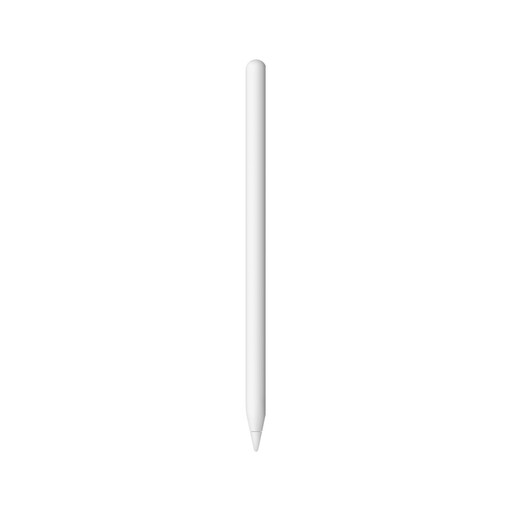
Apple Pencil (2nd Generation)
For painting on an iPad, check that your exact model and generation support this Pencil before deciding whether it fits your drawing app.
Check the controls you intend to use against this model rather than assuming it has Apple Pencil Pro’s additional controls.
View on Joybuy
 No image available
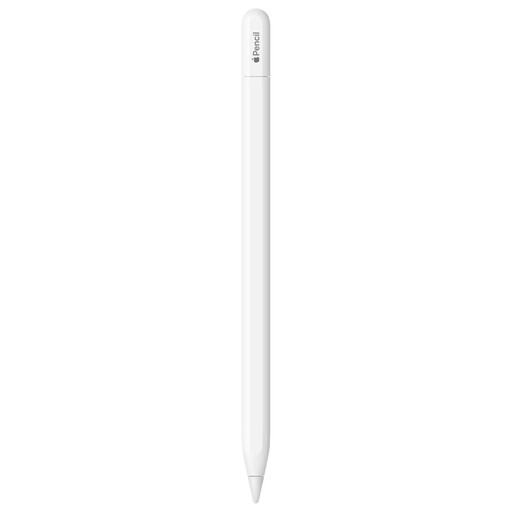
Apple Pencil (USB-C)
For drawing on a compatible iPad, check the exact device match and whether this pen provides the inputs your portrait brushes require.
Apple says this model pairs and charges using a USB-C cable; magnetic attachment is for storage. If you rely on pressure-responsive brushes, confirm that requirement before choosing it.
View on Joybuy
Questions and answers
Can I choose a stylus before choosing my tablet?
Choose the tablet model first if you need the pen’s drawing features. Apple Pencil Pro works only with listed iPads, Samsung S Pen compatibility depends on the Galaxy Tab family, and Microsoft identifies Surface models that do not support inking. Do not assume a generic capacitive stylus offers the same pressure, tilt or app integration.
Do pressure and tilt matter for digital portraits?
They matter when the brushes in your chosen app respond to those inputs. Procreate documents Apple Pencil pressure and tilt controls, while Samsung and Microsoft specify those features for particular pen systems. Check both the pen–tablet pairing and the app’s brush settings.
What should I plan for at a shared-office desk?
Plan how the complete setup charges, connects and stores between sessions. Apple Pencil Pro charges magnetically on compatible iPads, whereas Apple Pencil (USB-C) uses a cable; Surface Slim Pen charging depends on a compatible device or accessory. A Wacom One display also needs space for its host connection and power arrangement.
Can I cancel an online stylus purchase in the UK?
For most online goods purchases, the UK Consumer Contracts Regulations 2013 provide a cancellation period ending 14 days after the day the goods are received, as GOV.UK also explains. Exceptions can apply, so check whether one covers your purchase; changing your mind is separate from seeking a remedy for faulty, damaged or misdescribed goods.


