People sketching on a tablet they already own
You need a pen supported by your exact device, not one that merely looks suitable. Apple specifies compatible iPad models, while Google provides a model list for Chromebooks that support USI styluses.


Choose a stylus that supports your exact tablet before deciding how it charges. For product-concept sketches where sockets are scarce, a compatible magnetic-charging pen reduces cable handling, while a battery-free EMR pen avoids pen charging but requires an EMR-capable drawing device. If line weight and shading matter to your work, check drawing controls as well as compatibility; none of these options removes the need to charge the tablet itself.
You need a pen supported by your exact device, not one that merely looks suitable. Apple specifies compatible iPad models, while Google provides a model list for Chromebooks that support USI styluses.
You sketch away from a desk or share the available outlets, so an extra pen-charging routine is inconvenient. Wacom describes its EMR pens as battery-free when used with compatible hardware; Apple Pencil Pro charges on a compatible iPad.
Variable line weight, shading or brush orientation may matter when you develop a product concept. Samsung describes pressure and tilt support for its compatible FE-series S Pen, while Apple lists additional controls for Apple Pencil Pro.
Start with the exact tablet model and software requirements. Once a pen is compatible, weigh its charging arrangement against the drawing controls you will use.
| Concern | What to check | Who this matters to |
|---|---|---|
| Tablet compatibility | Match the exact tablet model and required software version to the pen maker's compatibility information. For a USI pen, check the Chromebook model. | If I already have a tablet, I need a pen that works with that model before its other features matter. Around 40% of consumers would put confirmed compatibility first. |
| Pen charging | Check whether the pen needs a cable, charges on the tablet or is battery-free with compatible EMR hardware. Plan for access to the tablet's port if charging requires it. | When sockets are scarce, I want to avoid interrupting a sketch to find a cable or free port. Roughly 40% of consumers would make the pen's charging routine their primary concern. |
| Drawing control | Check whether both the pen and tablet support the pressure, tilt or other controls your sketching app uses. | If a concept depends on varied line weight or shading, I need those controls to work in my drawing setup. About 20% of consumers would prioritise expressive control. |
Apple Pencil, Samsung S Pen, USI and EMR options have different device requirements. A similar shape or a USB-C port does not establish drawing compatibility.
Check the exact tablet model and any software requirement against the manufacturer's compatibility information before choosing a pen.
Apple says Apple Pencil Pro charges magnetically on a compatible iPad, whereas Apple Pencil (USB-C) pairs and charges by cable. Samsung describes magnetic attachment for its FE-series replacement S Pen; attachment alone does not establish how a pen is powered.
Look for an explicit charging description for the exact pen and tablet combination, rather than relying on a product image or magnetic holder.
Apple Pencil (USB-C) needs a USB-C Charge Cable for pairing and charging. That can interrupt a sketching session if the cable or tablet port is needed elsewhere.
If avoiding a pen cable matters, compare compatible magnetic-charging and battery-free EMR options before deciding.
A cable-charged pen may also mean carrying a compatible cable alongside the tablet.
Apple Pencil models serve different compatible iPads and use different charging arrangements.
Samsung's replacement S Pen listing covers the named Galaxy Tab S9 FE and S10 FE tablet families.
Wacom's EMR technology is an option for compatible pen tablets and displays when avoiding pen charging is a priority.
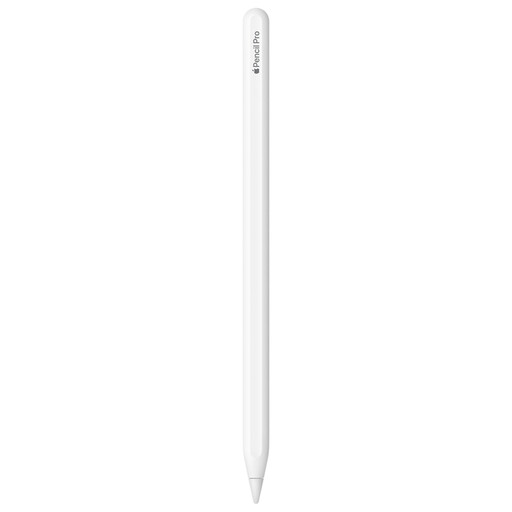
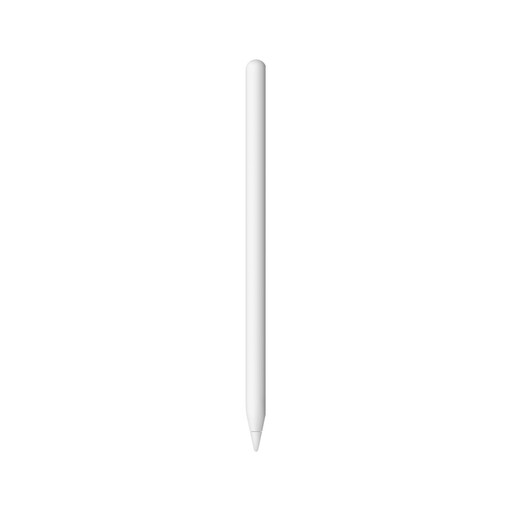
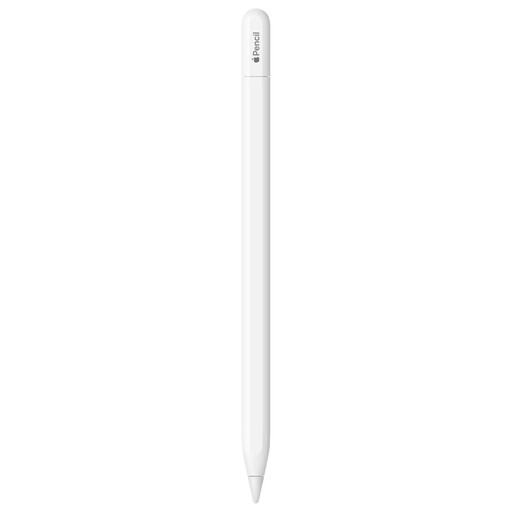
These Apple Pencil options are for sketching on compatible iPads. Compare their charging arrangements only after checking your exact iPad model; a magnetic-charging model reduces pen-cable handling, while Apple Pencil (USB-C) requires a cable.
 No image available
Consider this for concept sketching on a compatible iPad if you want to avoid connecting a cable to the pen. Apple says it pairs and charges magnetically and offers squeeze and barrel-roll controls; check that your iPad and sketching app support the controls you plan to use. The iPad still needs charging.
 No image available
Consider this model for sketching if your exact iPad supports it and keeping the pen charged without a separate pen cable matters. Check the model's charging arrangement and any drawing controls essential to your sketches against the current listing and your iPad before buying.
 No image available
This is an option for sketching on a listed compatible iPad if using a cable to charge the pen fits your setup. Apple specifies tilt sensitivity and USB-C cable pairing and charging. Check your iPad model and iPadOS version, and plan for cable and port access when sketching away from a socket.
Check your exact tablet model and the pen's software requirements first. Apple limits Apple Pencil (USB-C) to listed iPads and specifies iPadOS 17.1.1 or later; Google directs Chromebook owners to its list of USI-compatible models. A matching connector shape is not enough.
It can reduce separate pen-charging tasks, but your tablet will still need power. Apple Pencil Pro charges on a compatible iPad, Apple Pencil (USB-C) charges by cable, and Wacom describes battery-free EMR input for compatible pen tablets and displays.
Prioritise pressure sensitivity if variable line weight is part of how you communicate a concept; for simple outlines or annotations, compatibility and charging may matter more. Samsung describes pressure and tilt sensitivity for its S Pen for the named Galaxy Tab S9 FE and S10 FE families. Check that your chosen pen, tablet and app support the controls you intend to use.