Start with the device you already use: a compatible iPad or Galaxy Tab can support a portable, direct-on-screen drawing setup, while a computer-connected pen display gives you a larger surface to position at your standing desk. Check the exact pen and device pairing before buying; for a pen display, check the computer connection and how you will support the screen at a workable angle.
Who each setup suits
Illustrators with a compatible iPad
If you already own an iPad on Apple’s compatibility list, an Apple Pencil Pro offers pressure and tilt input alongside controls such as squeeze and barrel roll. Check that your drawing app uses the controls you want.
Galaxy Tab sketchers
Samsung’s S Pen for the Tab S9 and S10 series suits people who want pressure- and tilt-sensitive drawing on a compatible tablet, with a place to attach the pen between sessions. Check the exact tablet and app before choosing it.
Computer-based detail artists
If your botanical illustrations are made on a laptop or PC, a connected pen display offers a larger drawing surface than the portable tablet route described here. Its connection, screen support and position on the standing desk become part of the purchase decision.
What matters when choosing
Choose between a portable tablet workflow and a connected pen display first. Then check the exact device pairing, drawing controls and screen position for the way you make botanical illustrations.
| Concern |
What to check |
Who this matters to |
| Device compatibility |
Match the complete iPad or Galaxy Tab model to the pen. For a connected display, check the host port and cable requirements. |
I need the pen to work with the device I already use, rather than choosing drawing controls I cannot access. Around 27% of consumers put exact compatibility first. |
| Line, shading and colour control |
Check pressure and tilt support in the pen and app; assess display modes against your intended colour workflow. |
Fine leaf edges and layered shading make controllable strokes my priority, while colour work calls for a display setting I can use appropriately. Roughly 26% of consumers prioritise drawing and colour control. |
| Standing-desk positioning |
Check screen height and angle, reach and cable slack, and whether suitable support is included. |
I need room to position the drawing surface without raising my shoulders or working over a screen that sits too low. Around 26% of consumers place workstation positioning first. |
| Portable sketching |
Consider how the pen stores with the tablet and whether the tablet canvas suits your usual drawing scale. |
I move between reference gathering and short drawing sessions, so a tablet I can carry matters more to me than a larger fixed surface. About 21% of consumers make portability their primary concern. |
Buying pitfalls to avoid
-
Assuming a branded stylus works with every tablet
Apple Pencil Pro and Samsung’s reviewed S Pen are intended for specified device models or series. A familiar product name does not establish that a pen will pair or provide its expected controls on your tablet.
Check your complete tablet model and generation against the manufacturer’s compatibility list before ordering.
-
Checking the USB-C socket but not the connection standard
A USB-C-shaped port alone does not establish that it can carry the video and data required for a pen display’s one-cable setup. Wacom specifies Thunderbolt 3 or later or DisplayPort Alt Mode for Wacom One 14; Huion specifies USB 3.1 Gen 1 and DisplayPort 1.2 Alt Mode for the relevant Kamvas 16 (Gen 3) connection.
Check the computer’s port specifications and the cable requirements for the exact display.
If the one-cable requirements are not met, the setup may need a different connection arrangement or an appropriate converter kit.
-
Leaving screen support out of the desk plan
Wacom says the Wacom One 14 stand is sold separately. At a standing desk, the screen’s position matters as well as the pen: the Health and Safety Executive advises arranging display-screen work without shrugged shoulders.
Plan where the drawing display and any reference screen will sit, then check that the support lets you adjust their positions for your task.
The Wacom One 14 may need a separate stand to achieve your chosen drawing angle.
-
Choosing by pressure-level figures alone
A pressure figure does not establish how a particular illustration app handles your brushes, or whether the canvas size, screen position and connection suit your work.
Confirm device and app compatibility, then assess the drawing surface and desk arrangement alongside the pen’s stated inputs.
Relevant brands and device routes
Apple
Apple Pencil Pro is a native iPad route for drawing directly on a listed compatible model.
- Apple describes pressure and tilt sensitivity, plus squeeze, barrel roll, hover and magnetic pairing and charging on supported devices.
- Check the exact iPad model and drawing app; Apple Pencil models are not interchangeable across all iPads.
Samsung
The reviewed S Pen provides a native drawing route for compatible Galaxy Tab S9 and S10-series tablets.
- Samsung specifies pressure and tilt sensitivity for sketching and says the pen attaches to the tablet holder to charge.
- Confirm the tablet model. Air Command custom features depend on the app and require the pen to be charged.
Wacom
Wacom One 14 is a computer-connected, 14-inch drawing display rather than a standalone tablet.
- Wacom describes a battery-free pen with tilt recognition and says its bonded screen reduces parallax.
- Check the host connection for single-cable use and plan for a stand, which Wacom sells separately.
Huion
Kamvas 16 (Gen 3) represents a larger, computer-connected drawing-display route.
- Huion specifies a 15.8-inch 2.5K display, selectable colour modes, 16,384 pressure levels and ±60° tilt for this model.
- For one-cable USB-C use, Huion requires a compatible host and cable supporting USB 3.1 Gen 1 and DisplayPort 1.2 Alt Mode.
Joybuy choices for tablet-based illustration
These products cover iPad styli and a tablet supplied with a stylus. Choose by the device you own or intend to use, then check the drawing app and how you will position the screen at your standing desk.
 No image available
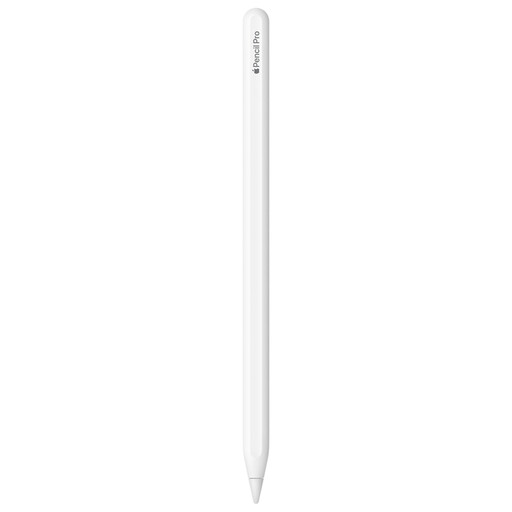
Apple Pencil Pro
Consider this pen if you draw on an Apple Pencil Pro-compatible iPad and want pressure and tilt input for botanical linework and shading.
Apple lists squeeze, barrel roll, hover and magnetic pairing and charging on supported models. Check your exact iPad and whether your illustration app uses the controls you want.
View on Joybuy
 No image available
TECLAST ArtPad Pro (2025 Edition), 12.7-inch 2K tablet with stylus
This tablet-and-stylus option suits someone considering an integrated drawing setup rather than a pen for a tablet they already own.
The product title specifies a 12.7-inch 2K display, an included stylus and support for 4,096 pressure levels. Check tilt input and your intended illustration app, as well as how you will support the tablet at the desk.
View on Joybuy
 No image available
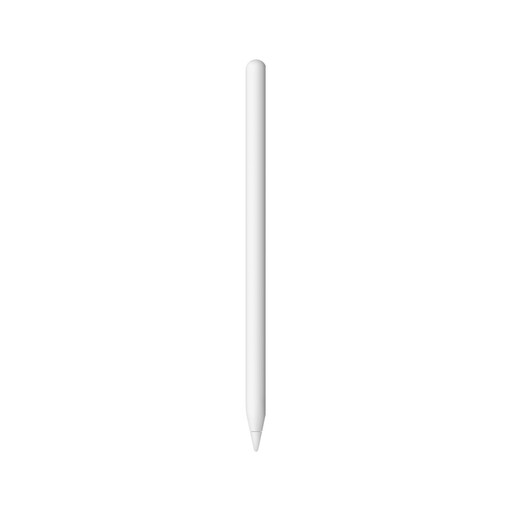
Apple Pencil (2nd Generation)
Consider this iPad stylus if you need a pen for a compatible iPad rather than assuming Apple Pencil Pro fits your model.
Check your exact iPad against the compatibility list and confirm the drawing inputs your botanical illustration app requires.
View on Joybuy
 No image available
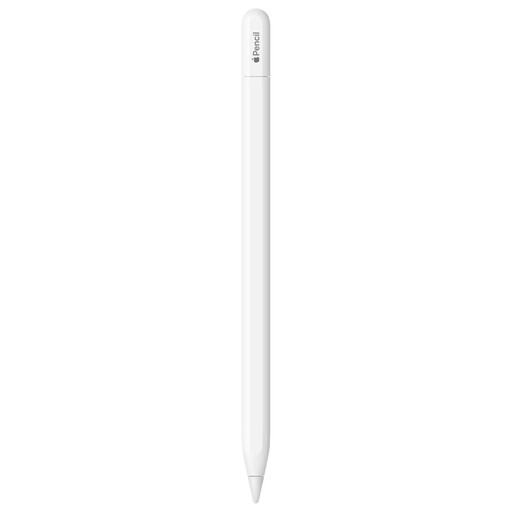
Apple Pencil (USB-C)
This is another iPad pen to assess if you want to sketch on a supported tablet and do not need to choose on model name alone.
Apple lists compatibility with selected iPads. Confirm your exact model against Apple’s current list and check the drawing inputs your app needs, particularly if pressure-based line variation matters to you.
View on Joybuy
Questions about drawing setups
Will any Apple Pencil work with my iPad?
No: Apple lists compatible iPad models separately for Apple Pencil Pro and Apple Pencil (USB-C). Check the full model and generation of your iPad against the compatibility list for the particular pen before buying.
Does a Wacom One 14 or Huion Kamvas 16 (Gen 3) work without a computer?
These are connected pen displays, not standalone drawing tablets. Wacom specifies Thunderbolt 3 or later or DisplayPort Alt Mode for Wacom One 14’s single-cable USB-C setup; Huion requires the host and cable to support USB 3.1 Gen 1 and DisplayPort 1.2 Alt Mode for the relevant Kamvas 16 (Gen 3) connection.
What else should I plan for when drawing at a standing desk?
Plan how to support and position the drawing screen, not just which pen to use. Wacom says its One 14 stand is sold separately, while the Health and Safety Executive advises arranging display-screen work so that your shoulders can stay relaxed and the screen is in front of you.
When does a UK workplace need a display-screen workstation assessment?
For workers who use display screen equipment daily as part of normal work continuously for an hour or more, the Health and Safety Executive says employers must assess the workstation. That assessment concerns the whole workstation, job and working conditions; it is not a rule stated here for personal, non-work drawing.


