Light-packing itinerary readers
If you mainly open maps, tickets, reservations and daily plans between stops, focus on a screen you can read comfortably and a complete setup you are willing to carry.


An around 11-inch tablet is a sensible starting point for reviewing maps, bookings and itinerary documents without making the screen the largest item in your travel kit. Choose how you will reach plans away from Wi-Fi before deciding between a Wi-Fi-only setup, phone tethering and a cellular tablet; if you will revise rather than just read the itinerary, check the input accessories and apps you need.
If you mainly open maps, tickets, reservations and daily plans between stops, focus on a screen you can read comfortably and a complete setup you are willing to carry.
If plans may change away from dependable Wi-Fi, decide which documents to keep offline and whether a phone hotspot or a tablet with its own mobile-data plan will provide the access you need.
If you will annotate PDFs, mark up maps or revise a shared schedule, check your chosen tablet’s app compatibility and whether a suitable pen or keyboard is part of the setup.
Start with the plans you need to see on screen, then work out how you will access and change them during the trip. Compare the weight of the kit you would actually carry, not just the tablet.
| Concern | What to check | Who this matters to |
|---|---|---|
| Readable plans | Compare screen dimensions and weight; try viewing a typical map and itinerary PDF together if you can. | I need to follow maps and multi-page plans without constant zooming, but still want a tablet I can carry between stops. Around 25% of consumers would make readable plans their primary concern. |
| Access away from Wi-Fi | Check the exact model’s connectivity and your offline downloads or tethering plan. For mobile data abroad, check the provider’s destination terms. | Plans may change while I am in transit, so I need a way to retrieve updates without depending on accommodation Wi-Fi. For roughly 31% of consumers, dependable access would come first. |
| Editing and sharing | Confirm that your document apps work on the chosen operating system and that the exact model supports the pen or keyboard you intend to use. | I expect to mark up documents or change a shared schedule, rather than only read a finished plan. About 25% of consumers would prioritise editing and collaboration. |
| Carry burden | Compare the tablet with the case, charger and any input accessories you would take. | I will carry the device throughout the day and want to keep the complete kit manageable. Approximately 19% of consumers would put a lighter, simpler setup first. |
A Wi-Fi-only tablet needs a Wi-Fi connection or another device’s hotspot for live updates. Offline copies help with material you have already saved, but not with a booking change you have yet to receive.
Download essential maps and documents before departure, then decide whether tethering meets your needs or you require a cellular-capable tablet and a suitable data plan. Ofcom advises checking your provider’s roaming terms before using mobile data abroad.
Accessory support and box contents are different questions. Microsoft describes the Surface Pro keyboard and Slim Pen as separate purchases, so a planned typing or annotation setup needs more than a compatibility check.
Confirm the accessories supported by the exact model and what is included before relying on it to edit your itinerary.
Microsoft’s figure of up to 15.5 hours for the 12-inch Surface Pro refers to video playback. It does not describe your particular mix of document editing, connectivity and screen brightness.
Plan a charging opportunity on long transfer days and read battery figures alongside their stated test activity.
Booking accounts can contain personal and travel details. The National Cyber Security Centre warns that attackers on public or insecure networks may be able to intercept or modify data.
Use a trusted connection for sensitive account changes where possible, keep the tablet updated and avoid treating an unfamiliar public network like a private one.
The iPad Air is an iPadOS route for reading plans by touch, with pen and keyboard options if you also expect to annotate or type.
The Galaxy Tab S10 FE is an Android option to consider if you want a 10.9-inch screen and S Pen note-taking for itinerary material.
Surface Pro is a Windows 2-in-1 route to consider when itinerary work calls for laptop-style typing or desktop applications as well as touch reading.
These tablets offer different starting points for carrying and reviewing an itinerary: compare their stated storage and connectivity with the way you plan to read or update documents. Check the exact configuration before depending on mobile access or input accessories.
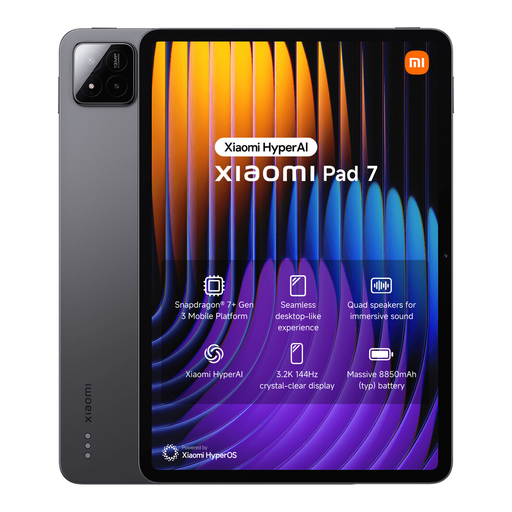 No image available
Consider this configuration if you want to keep itinerary files on the tablet and mark them up with the included Focus Pen.
For updates while travelling, check how you will get online away from Wi-Fi.
 No image available
The LTE configuration is relevant if you want to consider mobile access to changing plans rather than depend solely on a phone hotspot.
Confirm its SIM or eSIM arrangement, supported networks and compatibility with your intended provider and destinations before relying on it abroad.
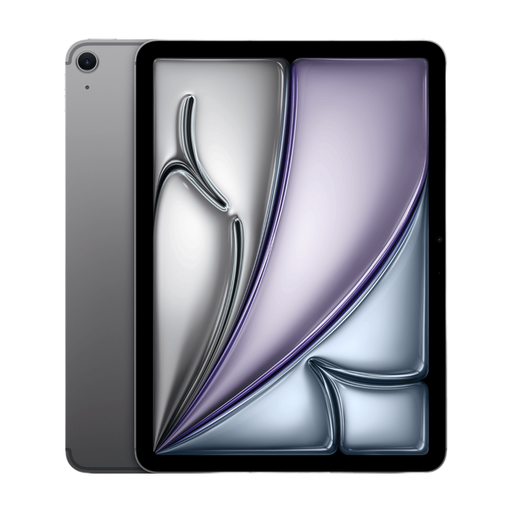 No image available
This Wi-Fi configuration is a choice for reading saved plans when offline access or a separate connection will cover updates on the move.
If you want to annotate or type, check compatible accessories for this exact model and whether they are included.
 No image available
Consider its 256GB configuration if you want to keep itinerary documents and other travel files on the tablet.
Check the device’s dimensions and connectivity against your carrying and access needs. If you plan to annotate or type, confirm accessory compatibility and box contents for this SKU.
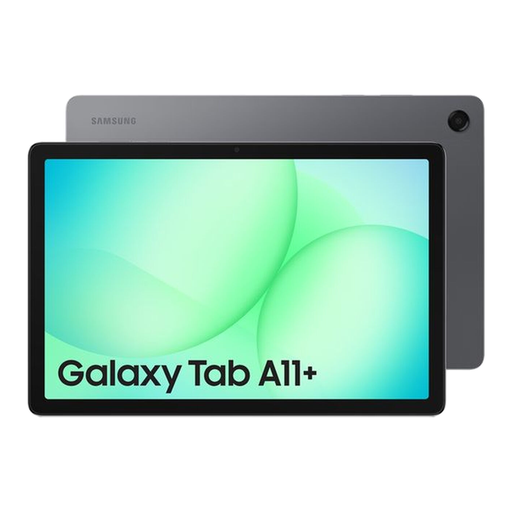 No image available
This Wi-Fi configuration offers 256GB for keeping itinerary files locally.
Plan offline access or a separate connection for updates away from Wi-Fi. Check the device’s weight and input-accessory compatibility if carrying or editing plans is a priority.
A Wi-Fi-only tablet can be enough if you save essential maps, bookings and documents before leaving and have a workable connection for later changes. If you need live access without depending on another device, consider a cellular-capable tablet with a compatible data plan; Apple specifies this option for its Wi-Fi + Cellular iPads.
A larger screen may be worth considering if you regularly need maps and documents visible together, but compare the exact models’ dimensions and carried weight before deciding. Apple lists its 11-inch iPad Air Wi-Fi model at 464 g; that specification should not be assumed to apply to a different iPad Air variant.
Check your provider’s terms for each destination before relying on either a cellular tablet or a phone hotspot. Ofcom advises that roaming can involve additional charges, so confirm the applicable package and data allowance; saving essential documents offline can also reduce your dependence on a connection.
Use a trusted connection where possible, particularly when changing bookings or accessing sensitive account details. The National Cyber Security Centre warns that attackers on public or insecure networks may intercept or modify data; keep the tablet updated and avoid unnecessary sensitive transactions on unfamiliar networks.