Mobile session planners
If you review agendas and mark up materials in short gaps between appointments, carry weight and a compatible pen may matter more than a large screen.


For quick agenda changes and handwritten annotations between client visits, start with a portable tablet, then check that the pen and keyboard you need work with the exact model. If preparing sessions depends on Windows desktop applications or substantial document editing, consider a Windows 2-in-1 instead; its larger, keyboard-oriented setup may be less convenient to carry.
If you review agendas and mark up materials in short gaps between appointments, carry weight and a compatible pen may matter more than a large screen.
If you substantially revise worksheets, slides or spreadsheets away from the office, check keyboard usability and whether your required files and applications work on the chosen operating system.
If you need work resources between visits, check the exact model’s mobile-connectivity options and your organisation’s device rules before choosing a tablet for client material.
Start with the applications and files used to prepare each session. Then decide how much screen and keyboard space you need while travelling, and whether your work requires connectivity beyond trusted Wi-Fi.
| Concern | What to check | Who this matters to |
|---|---|---|
| Planning on the move | Compare the chosen variant’s weight and screen size; confirm pen compatibility. | If I only have short gaps to adjust an agenda or annotate notes, I want a device I can carry and use without setting up a laptop. Around 25% of consumers put this mobile-planning need first. |
| Document production | Try the required applications and file formats; check the keyboard’s model compatibility and UK layout. | When I need to make substantial changes to slides or worksheets, typing and application compatibility take priority over minimum carry weight. This is the primary need for around 31% of consumers. |
| Access and work data | Check cellular options for the exact variant and your organisation’s rules for devices accessing work material. | If I need schedules or client material away from trusted Wi-Fi, I have to consider both connectivity and permission to use the device for work. Around 25% of consumers prioritise that combination. |
| Reading workspace | Compare screen size and the exact model’s display specifications against the materials you review. | Detailed decks and training scripts are easier for me to assess when the screen gives them enough room, even if the device takes up more space in my bag. Around 19% of consumers make reading workspace their first concern. |
A tablet that suits annotation may still need a separate keyboard, stand or compatible pen for longer planning sessions.
Check what comes with the exact configuration, then list the accessories needed for the way you actually prepare sessions.
Adding a keyboard does not establish that your desktop applications or complex work files will behave as required.
Check the applications and file formats you use before deciding between a tablet-first device and a Windows 2-in-1.
A capable personal tablet may not meet the requirements for accessing employer systems or client material.
Ask your organisation which devices, management controls and cloud services it permits. The National Cyber Security Centre identifies device management as an important part of bring-your-own-device arrangements.
The National Cyber Security Centre warns that attackers on insecure networks may intercept or modify data.
Follow your organisation’s approved connection method and its rules for handling client material between visits.
The iPad Air is a tablet-first option for reviewing plans and making pen-based annotations.
The Galaxy Tab S10 FE offers an Android route for pen-oriented planning, with a 10.9-inch display and a 5G variant.
Surface Pro for Business is a Windows 2-in-1 route when session preparation requires a desktop-style workflow.
The Tab Plus Gen 2 is a larger Android option for reviewing training decks and reading material.
These choices span compact tablets for notes, larger screens for reviewing materials, an E-Ink notebook and a Windows convertible for keyboard-led work. Match each device to the files, input method and work-data rules your sessions require.
 No image available
Consider this bundle for short typed changes and handwritten notes between visits. The product name specifies 256 GB storage and includes a keyboard, mouse and stylus; confirm the keyboard layout and the exact Android version before choosing it for work.
 No image available
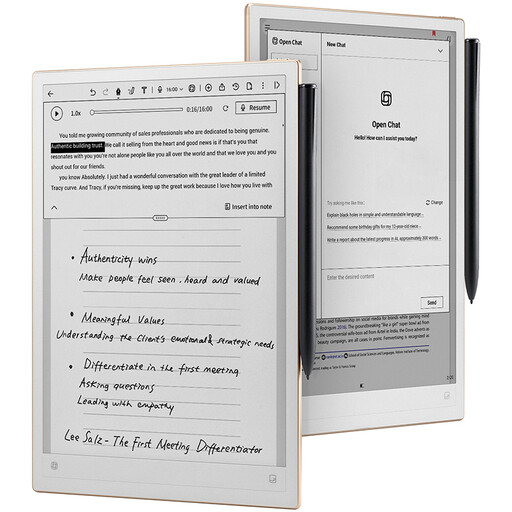
This is a note-taking option if handwriting is central to preparing your sessions. Its product name specifies a 10.65-inch E-Ink screen and voice-to-text features; transcription requires an internet connection. Check how it handles your required work files and client-data rules.
 No image available
Consider its larger screen if reviewing plans matters more to you than keeping the device compact. The product name specifies a 2K display, 256 GB storage, Dual SIM 4G LTE and an included stylus. Check its carry weight and compatible keyboard options for your working setup.
 No image available
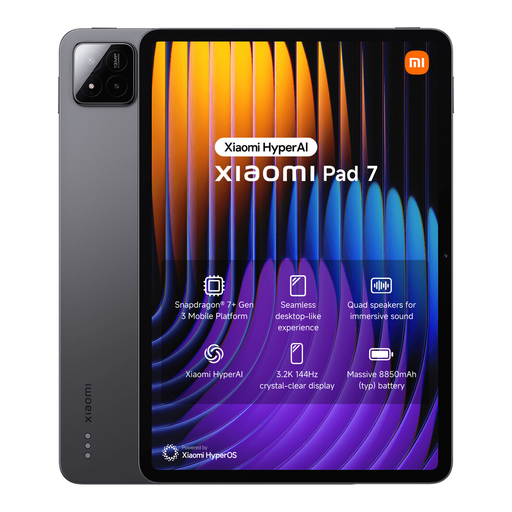
The included Focus Pen makes this worth considering if you mark up plans by hand. Confirm its screen size, carry weight, compatible keyboard and required work-app support against your usual materials before buying.
 No image available
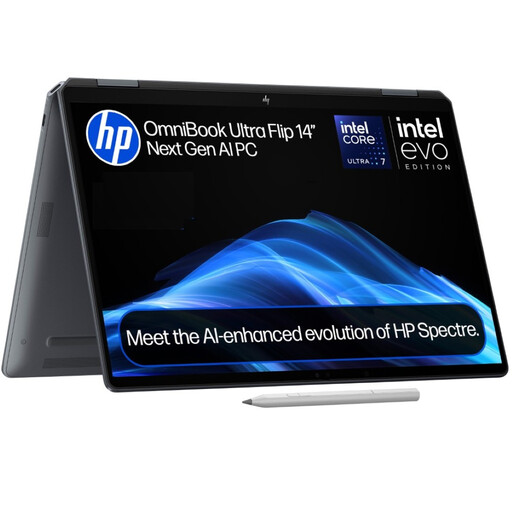
Consider this convertible if preparing training materials calls for laptop-style typing and Windows applications rather than brief tablet edits. Its product name specifies 16 GB RAM, a 1 TB SSD and Windows 11 Home; check its carry weight and your organisation’s software and device requirements.
Wi-Fi-only may suit you if trusted connections or approved phone tethering cover your working day and you can prepare materials offline when necessary. If you regularly need work resources between visits, check a cellular variant and your organisation’s connection rules; Samsung UK lists a 5G Galaxy Tab S10 FE variant, while Microsoft UK lists optional 5G for the researched Surface Pro for Business.
A keyboard is worth considering if you regularly write or substantially revise plans, emails or worksheets, rather than making brief annotations. Check compatibility with the exact tablet generation, the UK layout and whether the keyboard is included with your chosen configuration.
Check your organisation’s policy before using a personal tablet for client material, even if the device runs the applications you need. The National Cyber Security Centre identifies device management as important in bring-your-own-device arrangements; confirm permitted devices, access controls and cloud services before purchasing.