Single-tablet desk users
If the charger will serve one tablet, a single-port model keeps the choice focused. Check the tablet’s connector and charging guidance before choosing its output.


Start with your tablet’s connector and the manufacturer’s charging guidance, then choose a charger and cable that match. A single-port model suits a desk where only the tablet needs charging; consider more ports when other devices share the plug, or higher output when your tablet supports the relevant charging mode. The wattage on the charger is a ceiling, not a promise of charging speed.
If the charger will serve one tablet, a single-port model keeps the choice focused. Check the tablet’s connector and charging guidance before choosing its output.
If you need to replenish charge between meetings or other desk tasks, check whether your exact tablet and cable support the charging mode offered by the adapter. A larger wattage figure alone cannot establish the charging speed.
If a tablet and another device will charge from one plug, look for the output available with your intended ports in use together, not just the charger’s total wattage.
Match the tablet and cable first; decide whether you need to charge a second device only after that. The percentages below describe consumers by their primary reason for choosing a charger for this home-office task.
| Concern | What to check | Who this matters to |
|---|---|---|
| Tablet compatibility | Identify the tablet’s connector and check its manufacturer’s recommended adapter and cable, including any USB Power Delivery or PPS requirement. | If the connector or charging mode is wrong, I may not get the charging setup I need. Around 50% of consumers put tablet compatibility first. |
| Charging other devices | Check the port types and the output available when the tablet and another device are connected together. | I want my tablet and phone to share one desk plug without assuming both ports deliver their maximum output at once; for around 30% of consumers, shared charging is the main concern. |
| Simple, traceable setup | Choose a reputable retailer and check whether the necessary cable is included. Inspect the plug and cable for damage before use. | I only need an uncomplicated charger beside my desk, but I still want a compatible cable and a product I can identify. That is the primary need for around 20% of consumers. |
A 45W label does not mean every tablet will charge at 45W. Samsung says its Super Fast Charging 2.0 mode requires a USB PD 3.0-compatible device with Direct Charging support; performance also varies with the model, cable and environment.
Check the exact tablet’s charging guidance and the cable required for its supported mode before choosing a higher-output charger.
Apple sells the cable for its cited 20W USB-C adapter separately, while Belkin offers a WCA008 charger-and-cable bundle. Either way, the cable must have the right connector for the tablet.
Check the tablet-side connector and the contents of the particular package before ordering.
If you do not already have a suitable cable, you will need to obtain one separately unless it comes with the charger.
With more than one device connected, a multi-port charger’s available output can be divided between ports. Its total rating does not describe what the tablet receives alongside another device.
Read the port-allocation table for the tablet-and-phone or tablet-and-laptop combination you intend to use.
Electrical Safety First warns about substandard and counterfeit USB chargers and advises buying a compatible charger from a manufacturer or reputable retailer.
Check the manufacturer and model, and do not use a plug or cable that shows damage or scorch marks.
Apple’s 20W USB-C Power Adapter is an option for an iPad-focused, single-device setup.
Samsung offers USB-C charging options for compatible Galaxy tablets, including a 45W adapter.
Anker’s Nano A2337 is a single-port USB-C option rated at a maximum of 30W.
Belkin’s WCA008 is a 30W, single-USB-C-port charger offered in a cable bundle.
UGREEN has USB-C chargers ranging from compact single-port models to multi-port options.
These choices cover a single-port Apple adapter, a single-port ACEFAST charger and a multi-port ACEFAST desk charger. Choose between them by your tablet’s charging requirements and whether another device needs to share the plug.
 No image available
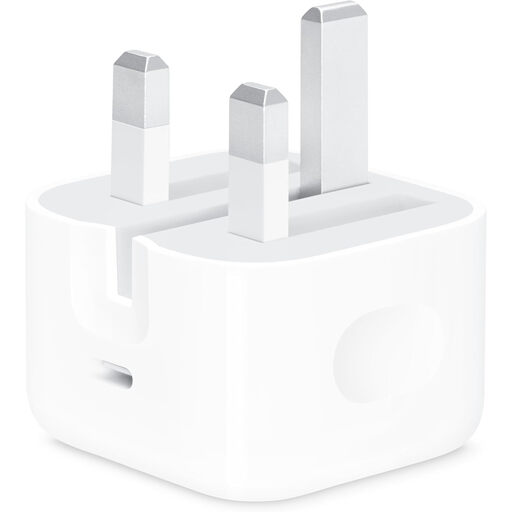
Consider this for a compatible iPad that needs one dedicated charging point. Apple lists the adapter for iPad Pro and iPad Air; its charging cable is sold separately, so check the cable needed for your model.
 No image available
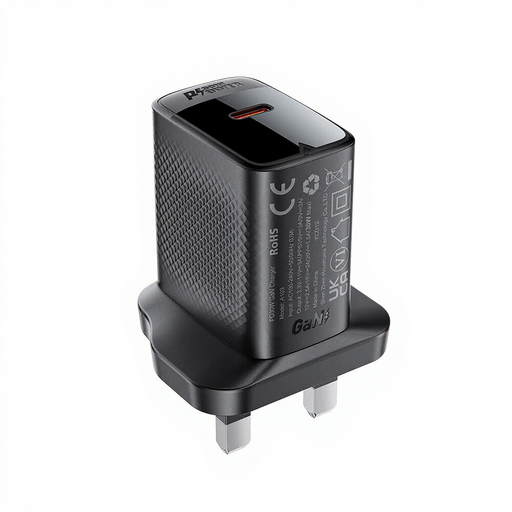
Consider this single-port USB-C charger for a tablet whose connector and charging requirements match it. Its stated maximum is 30W; check your exact tablet’s charging mode and the package contents before choosing a cable.
 No image available
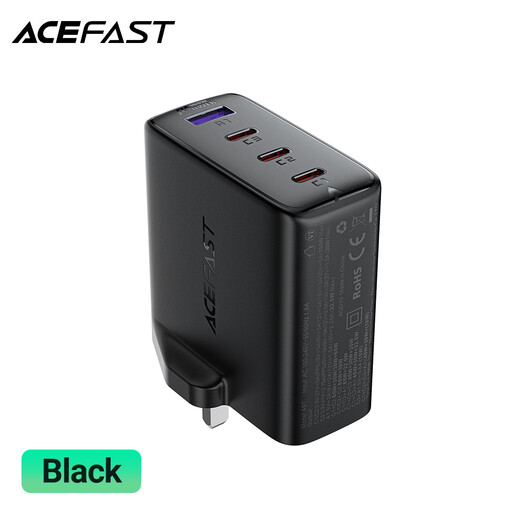
Consider this model when the tablet needs to share a charger with other desk devices. The title specifies three USB-C ports, one USB-A port and a 100W rating; check the output for your intended port combination and your tablet’s charging requirements.
Only if your tablet supports a charging mode that makes the higher output relevant to you. Samsung says its Super Fast Charging 2.0 mode requires a USB PD 3.0-compatible device with Direct Charging support, and that performance varies with the device, cable and environment. Check your exact tablet’s guidance rather than choosing by wattage alone.
Use one when the tablet manufacturer’s guidance confirms that the charger and cable are compatible; the charger’s maximum wattage is not the wattage the tablet is guaranteed to draw. Electrical Safety First advises using a compatible charger from the manufacturer or a reputable retailer.
A bundle is useful if you do not already have a suitable, undamaged cable with the correct tablet-side connector. Belkin’s cited WCA008 bundle includes a 1 m USB-C-to-USB-C cable, whereas Apple sells the cable for its cited 20W adapter separately.
Choose a compatible charger from a manufacturer or reputable retailer, and check that its plug and cable are intact. Electrical Safety First warns about substandard and counterfeit chargers; a claimed marking should not replace checking the product’s identity and seller.