Unplugged flashcard regulars
If you review cards during commutes, travel or long days away from a socket, you need to plan charging around your own sessions and make sure the decks you need are accessible.


Start with the vocabulary app and decks you already use: confirm that they will work on the tablet before choosing a screen size. A compact device may suit short reviews while travelling, whereas a larger screen gives you more room for notes; in either case, a manufacturer's battery figure is not a promise of flashcard-study time.
If you review cards during commutes, travel or long days away from a socket, you need to plan charging around your own sessions and make sure the decks you need are accessible.
If you already have a flashcard collection, check that your chosen app runs on the new tablet and that your cards and media can move between the devices you use.
For brief reviews while standing or travelling, the weight and size of a tablet may matter as much as the space available for reading notes.
Check your app and deck workflow first, then consider charging opportunities and whether you usually read single cards or work alongside notes. Keep the stated test activity attached to any battery-hours claim: Apple cites Wi-Fi browsing or video for its 11-inch iPad, while Lenovo cites YouTube streaming for the Tab K9.
| Concern | What to check | Who this matters to |
|---|---|---|
| Time between charges | Read the activity behind the battery claim and check how you will recharge between sessions. | If I study through a day without dependable mains access, I need room for repeated reviews before I can recharge; around 36% of consumers put battery continuity first. |
| App and deck access | Check the exact app on the intended model, plus sign-in, synchronisation and access to deck media. | I cannot use my planned study routine if my existing cards or app will not work on the tablet; for around 29% of consumers, keeping that workflow intact is the primary concern. |
| Carry comfort | Compare the stated device weight and screen size, allowing for any case you expect to carry. | When I review a few cards while standing or travelling, I want a device I am comfortable holding and bringing along; around 21% of consumers prioritise light carry. |
| Reading and annotation space | Decide whether single-card viewing is enough or you need room for notes, source text or pen input. | For vocabulary I study alongside grammar notes or handwritten corrections, I need more working area than a single card provides; that is the main concern for around 14% of consumers. |
Apple's 11-inch iPad figure covers Wi-Fi browsing or video, Lenovo's Tab K9 figure covers YouTube streaming, and Amazon's Fire HD 8 figure covers mixed use. Those tests do not establish how long your flashcard app will run.
Keep each maker's test condition in view and leave a charging margin for your own screen settings and use. Remember that rechargeable batteries lose capacity with age.
Google Play Help says Android app availability can vary by device and other requirements; Amazon says Fire tablets do not support Google Play. Anki also uses different mobile clients for iOS and Android.
Check the required app on the exact model, then confirm sign-in, synchronisation and access to the cards and media you need before relying on it away from a connection.
Lenovo lists the 8.7-inch Tab K9 at about 320 g, Apple lists its 11-inch Wi-Fi iPad at 477 g, and Samsung lists the 12.6-inch Galaxy Tab S12+ at 553 g. More screen space may be useful for notes, but these particular models place different demands on carrying and holding them.
Choose the working area you will regularly use, rather than sizing up for occasional tasks alone; include a case in your carry-comfort decision if you plan to use one.
An iPad route to consider if your established review routine calls for an iPad app.
A large-screen Android route to consider when annotation and working alongside notes are routine.
A compact Android route for reviewing individual cards when carry weight matters.
A Fire OS route to consider only if your required vocabulary app is available through Amazon's Appstore.
These tablets offer different screen sizes and device formats for vocabulary review, from a compact iPad to larger Android tablets and an E-Ink note-taking device. Check the exact flashcard app and deck workflow for whichever model interests you; specifications for one model do not carry over to another.
 No image available
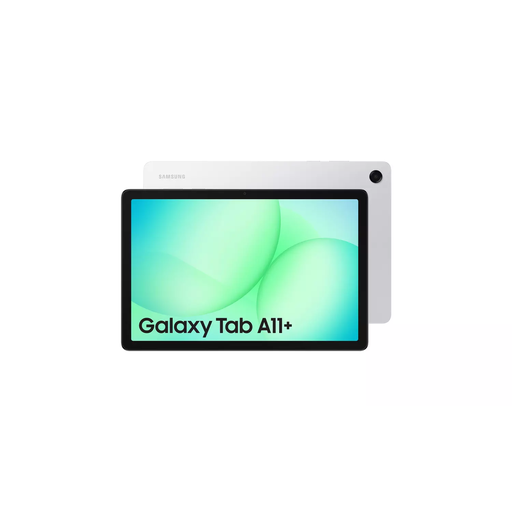
Consider this model if you want to review vocabulary on a tablet rather than a smaller handheld screen. The product name identifies the SM-X230 variant and 6/128GB configuration; confirm your exact app and charging accessories before buying.
 No image available
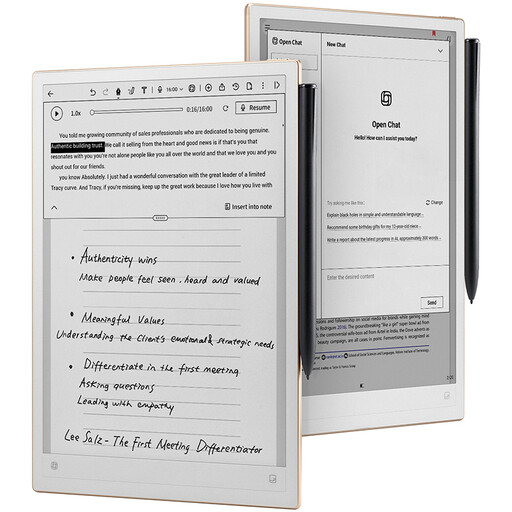
Consider this E-Ink format if your vocabulary routine includes reading and handwritten notes. The product name specifies a 10.65-inch display and protective case; check your required app and whether the screen and lighting suit where you study.
 No image available
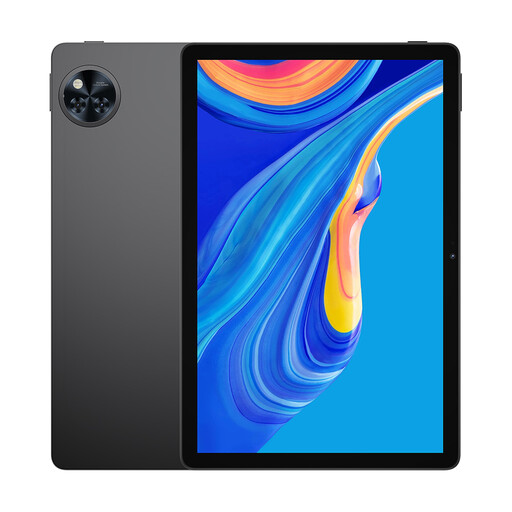
Consider the 11-inch format if you prefer more space for vocabulary lists and accompanying text. The product name lists an 8,580 mAh battery; check how its stated memory figures are defined, whether your app runs on this model and what charging accessories are included.
 No image available
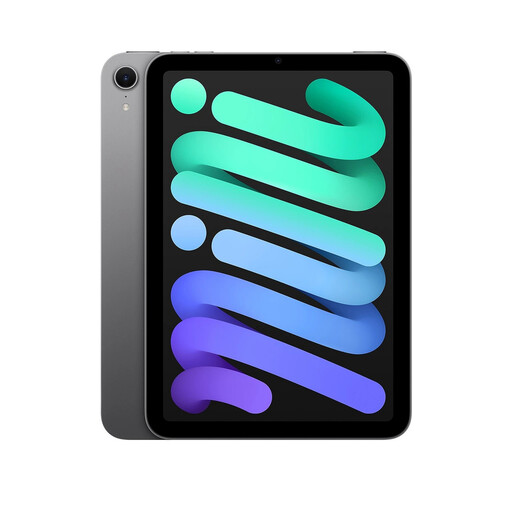
Consider the iPad Mini format if you favour brief, portable reviews and use an iPad app. This is the 512GB Space Grey variant; confirm your flashcard app, synchronisation routine and expectations for time between charges on this exact model.
 No image available
Consider this tablet if you want room to read vocabulary alongside supporting material. The product name identifies the 8G RAM, 128GB Wi-Fi variant; check its carry weight, time between charges, charging accessories and your app workflow before choosing it for unplugged study.
Synchronise or download the collection while you have a dependable connection, then open the cards and media you expect to use. The Anki Manual explains that AnkiWeb can synchronise collections across devices, including sounds and images, but you should test access in your particular app before leaving.
No: read the test activity alongside the hours rather than comparing figures alone. Apple quotes Wi-Fi browsing or video for its 11-inch iPad, Lenovo quotes YouTube streaming for the Tab K9, and Amazon quotes mixed use for the Fire HD 8; none is a measurement of your particular flashcard sessions.
Not necessarily. Google Play Help says Android app compatibility can vary by device, while Amazon says Fire tablets do not support Google Play. Check the exact app on the exact tablet and confirm how your decks will be accessed.
Take it to an appropriate electrical-waste recycling collection point rather than putting it in household rubbish. GOV.UK advises separate disposal for electrical products marked with the crossed-out wheelie-bin symbol.