Outdoor map readers
If you read beside bright windows or outdoors, start with how the screen handles reflections at your usual viewing angle. A brightness figure alone does not settle that question.


Choose a tablet with a suitably large anti-reflective or matte display if your geography books contain detailed maps, fixed-layout pages or diagrams you want to annotate. A colour e-reader is worth considering when your books are compatible and low-reflection reading outdoors matters more than a large page; check the exact title and its map labels before choosing either route.
If you read beside bright windows or outdoors, start with how the screen handles reflections at your usual viewing angle. A brightness figure alone does not settle that question.
Detailed labels, legends and fixed-layout textbook pages make usable page area important. If you mark up diagrams, check pen support and whether the pen comes with the exact bundle.
If most of your geography reading is in compatible e-books, a compact colour e-reader may suit longer sessions away from a desk. Inspect a sample map before accepting its smaller page area.
Check your book’s format and the size of its map labels first. Then weigh reflection control against page area and how comfortably you can carry the device.
| Concern | What to check | Who this matters to |
|---|---|---|
| Daylight glare | Check the exact screen treatment and view a sample map in daylight at your usual angle. Do not use brightness alone as a glare test. | If reflections hide labels beside a bright window, I need to read without repeatedly shifting the screen. Around 42% of consumers put glare control first. |
| Map detail and notes | Open the intended book or a sample at normal reading distance; check label size, page layout and whether a compatible pen is included. | For dense atlas pages or diagrams I want to annotate, a readable page takes priority over a compact device. Around 33% of consumers put map detail and annotation first. |
| Portability | Compare screen size and carrying comfort, then confirm that your book works with the device’s store, app or file format. | When most of my reading is in compatible e-books, I would rather carry a smaller device than have a large canvas for occasional maps. Around 25% of consumers put portable, longer-session reading first. |
Brightness, anti-reflective coatings and matte surfaces address different aspects of viewing a screen. Apple specifies an anti-reflective coating for iPad Pro, while Lenovo describes a matte anti-glare display for its Tab P12 with Matte Display.
Check the treatment on the exact configuration and view a map at an angle similar to where you usually read.
Rakuten Kobo lists a 7-inch screen for the Libra Colour, and Amazon lists a 7-inch Kindle Colorsoft. Dense labels or fixed-layout spreads may require more zooming or panning than on a larger tablet.
Preview your geography title, including its smallest labels and map keys, before deciding whether the compact screen works for you.
Samsung UK lists an S Pen with the Galaxy Tab S10+ but says a travel adapter is not included. Pen support on another tablet does not, by itself, mean that its pen is bundled.
Check the box contents for the exact model and bundle, particularly if you plan to annotate maps.
If you do not already have a suitable travel adapter, the Galaxy Tab S10+ may require a separate one.
UK government guidance says electrical items should not go into household rubbish; damaged or wet lithium-ion batteries can also present a fire risk.
Use an appropriate electrical-waste collection point or check the retailer’s take-back arrangements when replacing a device.
The iPad Pro line is relevant if you want a large colour page and an anti-reflective display for detailed geography material.
The Galaxy Tab S10+ is a large Android-tablet option for colour maps and handwritten notes.
The Tab P12 with Matte Display is a tablet route for readers interested in a large matte screen.
The Libra Colour is a compact colour e-reader route when geography reading is mainly in compatible e-books.
The Kindle Colorsoft is a colour e-reader route for readers whose geography titles work within their intended Kindle reading setup.
These tablets offer different starting points for reading illustrated geography books: one has nano-texture glass specified in its configuration, while the other calls for a closer daylight-reflection check. Open your particular book on the intended app before relying on either for detailed maps.
 No image available
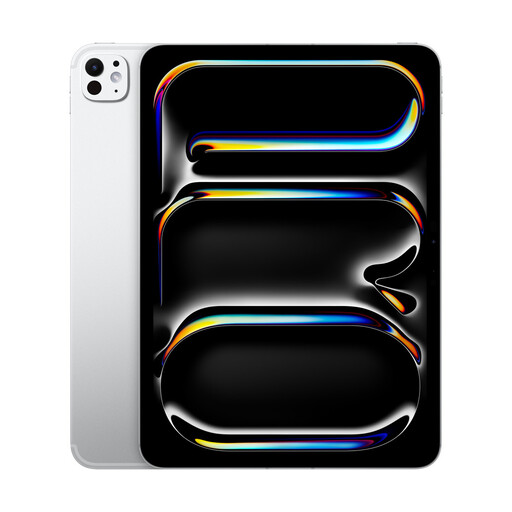
Consider this configuration if reflection handling matters for daylight reading and an 11-inch page gives your maps enough room. The listed 1TB model has nano-texture glass; check fine labels in your exact book at normal reading distance, particularly if you are also considering a larger tablet. Apple Pencil support is relevant for annotation, but the pen is sold separately.
 No image available
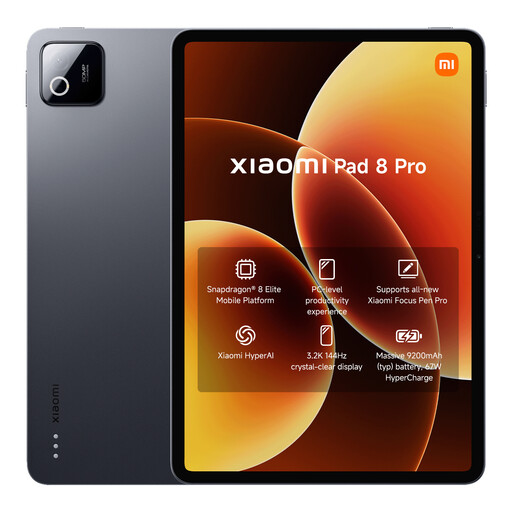
Consider this tablet if you want to assess geography pages on a colour-screen device and may add handwritten notes. Check how the exact screen handles reflections where you read, and open your book to judge map labels and app compatibility. Xiaomi Focus Pen compatibility is stated for this candidate, but the pen is not included.
Choose a tablet when detailed maps, fixed-layout pages or pen notes need more room; consider a colour e-reader when compatible e-books and low-reflection outdoor reading matter more. Rakuten Kobo and Amazon list 7-inch screens for the Libra Colour and Kindle Colorsoft, so inspect fine labels on your actual title before choosing that smaller format.
Open a sample of the exact title in the app or file format you intend to use. At your normal reading distance, inspect map labels, legends and diagrams, then check whether reflections interfere in your usual reading position.
It depends on the exact model and bundle. Samsung UK lists an S Pen with the Galaxy Tab S10+, while Apple Pencil support does not mean a Pencil is included; check the box contents before planning to annotate your books.
Take it to an appropriate electrical-waste collection point rather than putting it in household rubbish, in line with UK government guidance. You can also ask a retailer about its take-back arrangements when replacing the device.