Café PDF readers
You read wildlife articles and view photographs away from home, where windows or overhead lights may reflect in the screen.


Choose the screen size and finish around the journal pages you read and the light in your usual café seat. A roughly 11-inch tablet is easier to carry and hold, while a 12.7–13.1-inch screen gives full-page PDFs, maps and notes more room but adds bulk. If window reflections are your main difficulty, consider an anti-reflective or matte screen and where you will sit rather than relying on a brightness figure alone.
You read wildlife articles and view photographs away from home, where windows or overhead lights may reflect in the screen.
You want to see two-column pages, maps or full-page photographs at a larger scale and are willing to carry a larger tablet.
You highlight PDFs or make handwritten notes and need to check pen compatibility and what comes in the box.
Start with reflections and the size of your journal pages, then decide how much weight you want to carry and whether you need a pen.
| Concern | What to check | Who this matters to |
|---|---|---|
| Reflections | Check the exact screen finish and, if possible, view it under bright indoor lighting. A brightness figure alone does not tell you how reflective a screen will look. | If my café seat faces a window, I want to read without constantly shifting the page to escape reflections. Around 33% of consumers put glare control first. |
| Page area | Open a representative journal PDF and check captions, maps and tables at a comfortable zoom; allow for the larger tablet in your bag. | For detailed figures and two-column articles, I would rather see more of the original page than keep zooming. Roughly 27% of consumers prioritise page-scale viewing. |
| Carry weight | Compare the weight of the exact Wi-Fi or cellular variant, including the case you plan to use, and consider whether you will hold or prop up the tablet. | When table space is limited, I may hold the tablet through a reading session and want less to carry afterwards. About 20% of consumers place portability first. |
| Notes and access | Confirm the compatible pen and bundle contents, whether your journal service permits offline downloads, and the manufacturer's stated security-update period if choosing cellular. | I want to mark articles and keep saved reading available when café Wi-Fi is unreliable. Around 20% of consumers put annotation and access first. |
A larger display gives a journal page more room, but it also changes what you have to carry and hold. Samsung lists its 13.1-inch Galaxy Tab S10 FE+ Wi-Fi at 664 g and its 10.9-inch Tab S10 FE Wi-Fi at 497 g.
Try a typical PDF at both sizes, then consider whether you usually read with the tablet on a table or in your hands. Check the weight of your chosen variant and case.
Screen brightness and reflection control are different considerations. Apple lists an anti-reflective coating for iPad Air, while Lenovo describes the Tab P12 with Matte Display as anti-glare; neither detail makes the position of a bright window irrelevant.
If reflections bother you, examine the screen finish as well as its brightness specification, and consider whether you can change your seat or screen angle.
Samsung lists an S Pen in the box for the Galaxy Tab S10 FE range. Apple lists Apple Pencil compatibility for iPad Air but lists a USB-C charge cable, not a Pencil, in its box contents.
Check the exact tablet-and-pen combination and bundle before comparing annotation setups.
Depending on the bundle, a compatible pen or protective case may be an additional purchase.
The iPad Air line offers 11-inch and 13-inch options for readers considering page area, portability and Apple Pencil compatibility.
The Galaxy Tab S10 FE line provides 10.9-inch and 13.1-inch Android screen sizes with S Pen support.
The Tab P12 with Matte Display is a 12.7-inch option for readers interested in a larger, matte-treated screen.
These tablets cover smaller screens for carrying to a café, a larger screen for journal layouts, and options sold with note-taking accessories. Compare their exact screens and bundles against your own PDFs; their place here does not establish how they handle reflections or photographs.
 No image available
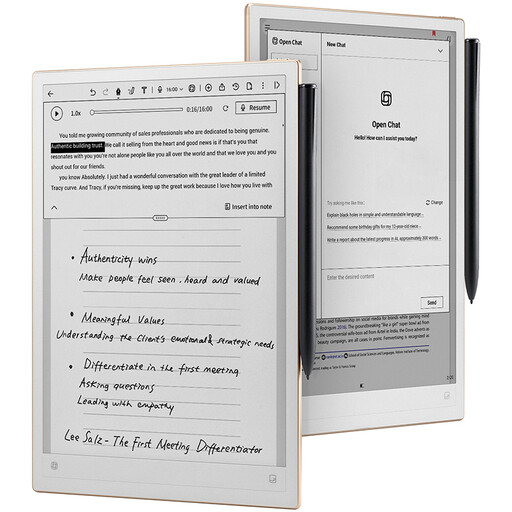
Consider this E Ink model if handwritten notes matter alongside reading. Its title lists a 10.65-inch screen and protective case; check how your wildlife journals' photographs appear on it and whether your usual café lighting suits a display without a reading light.
 No image available
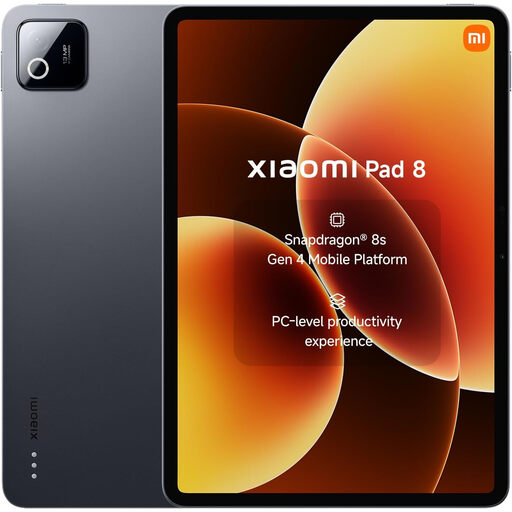
This Wi-Fi tablet is an option for carrying journal reading between home and cafés. Check its screen finish in lighting like your usual seat, and confirm the pen bundle if you plan to annotate.
 No image available
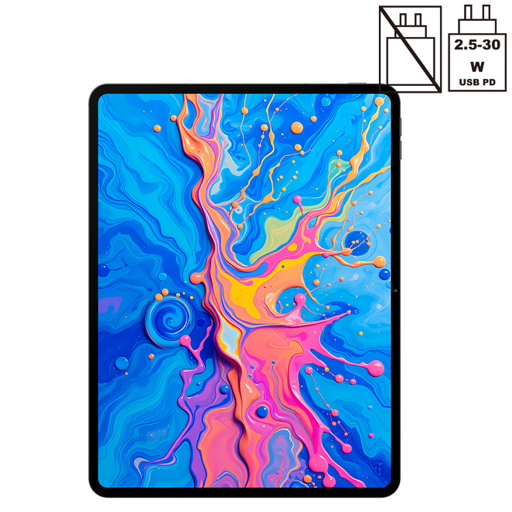
Consider the 12.7-inch display if viewing a fuller journal page matters more to you than choosing a smaller tablet. The title lists 2K resolution and T-Pen support; check the exact pen bundle, device weight and screen finish before choosing it for café use.
 No image available
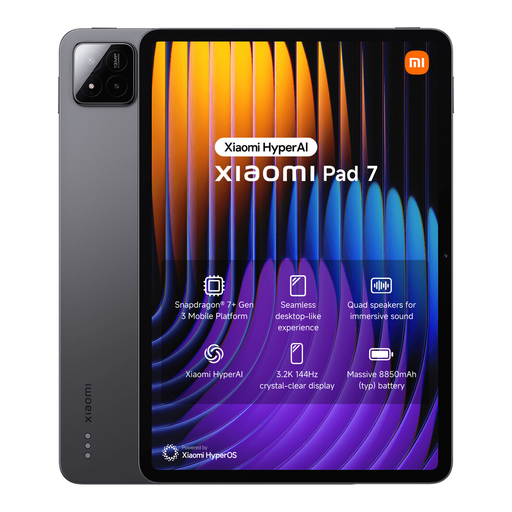
This is a smaller-screen option if you want to carry a tablet and mark up journal articles. The title includes a Focus Pen; check the device weight, screen finish and exact charger contents before purchase.
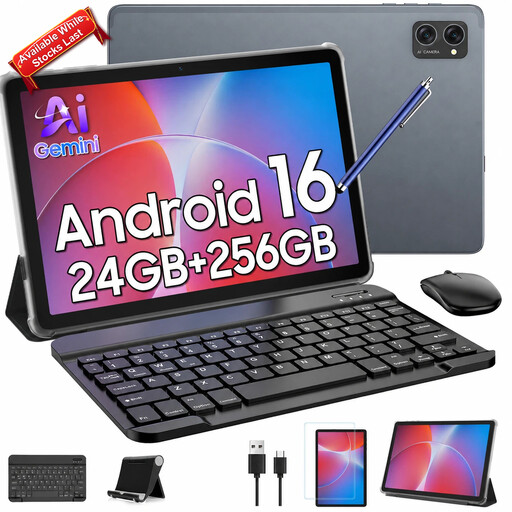 No image available
Consider this bundle if occasional notes matter alongside reading on a 10.1-inch screen. Check a dense journal PDF at a comfortable zoom before buying; also confirm the screen-protector bundle and how it looks under café lighting rather than assuming the panel itself is matte.
No: a listed brightness figure does not guarantee that reflections will disappear. If glare is your main concern, check for an anti-reflective or matte finish and consider whether you can turn the screen away from a window or strong light.
Pen inclusion varies by model and bundle. Samsung lists an S Pen in the box for the Galaxy Tab S10 FE range, while Apple lists Apple Pencil compatibility separately from iPad Air box contents; check the exact configuration you intend to buy.
Check the manufacturer's stated minimum period for important security updates and its security-contact information for the exact cellular model. The UK National Cyber Security Centre identifies the stated update period as information for consumers choosing relevant connected devices.
No particular tablet model follows from the Health and Safety Executive's workplace display-screen guidance. Its stated scope concerns workers using display screen equipment daily for continuous periods of an hour or more; for personal café reading, screen position and breaks are practical considerations rather than a model requirement.