What matters when choosing?
Start with where reviews take place and what inspectors must open or record there. Then test the real maps, forms and connectivity arrangements before choosing a screen size or configuration.
| Concern | What to check | Who this matters to |
|---|
| Field protection and input |
Read the exact ingress-test conditions and check glove or wet-touch operation against the intended conditions. |
I need to record barriers while walking exposed routes without assuming that an IP rating covers salt spray or every wet task. Around 33% of consumers put field resilience and usable input first. |
| Maps and annotations |
Try the actual plans and annotation app on the proposed screen size; check the stylus and carrying method. |
If photographs and detailed plans dominate my review, I need room to inspect and mark them up without making the tablet awkward to carry. For around 27% of consumers, viewing and annotation are the primary concern. |
| Connectivity and continuity |
Check cellular configuration and coverage where needed, plus offline files, later synchronisation and charging arrangements. |
I may need route records across areas without dependable Wi-Fi, so I need a workflow that continues when the connection drops. Staying connected or operational is the first priority for around 20% of consumers. |
| Accessible digital workflow |
Test the exact app, maps, PDFs and forms with the reviewers’ assistive technology and interaction methods. |
I need to complete the review using the interaction methods available to me, not merely find accessibility settings on the tablet. Around 20% of consumers prioritise an inclusive workflow above the other factors. |
Joybuy tablets for map and document review
These larger-screen tablets offer options for reviewing plans, documents or annotations. Assess each one against the carrying, weather-protection, connectivity and software needs of the actual terminal route; the list is not a rugged-tablet selection.
 Image unavailable
TECLAST ArtPad Pro, 12.7-inch, with stylus
Consider its larger screen and included pen for reviewing and marking up plans. The title specifies a 12.7-inch 2K display, dual-SIM 4G LTE and GPS. Check outdoor visibility, protection and carrier compatibility, and test whether the review app works offline.
View on Joybuy
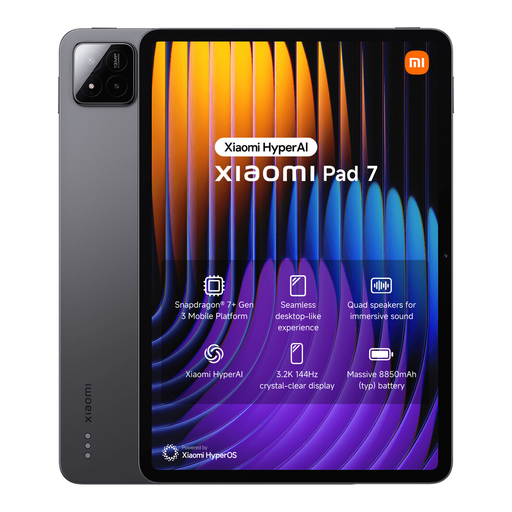 Image unavailable
Xiaomi Pad 7, grey, 8GB/128GB, with Focus Pen
The included Focus Pen makes this a candidate for annotation during indoor or lightly exposed reviews. The title specifies 8GB RAM and 128GB storage. Check the intended app’s offline operation and assess screen visibility and protection in the places where it will be used.
View on Joybuy
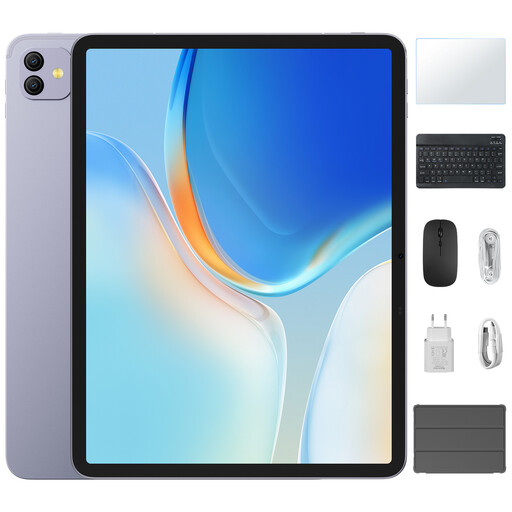 Image unavailable
Blackview Link 8, 12.7-inch, with keyboard and stylus
The larger format and supplied input accessories may suit reviewing plans and entering notes. The title specifies a 12.7-inch display, GPS and 256GB storage. Its product warnings advise avoiding drops and immersion; check carrying arrangements and whether the required files and forms work offline.
View on Joybuy
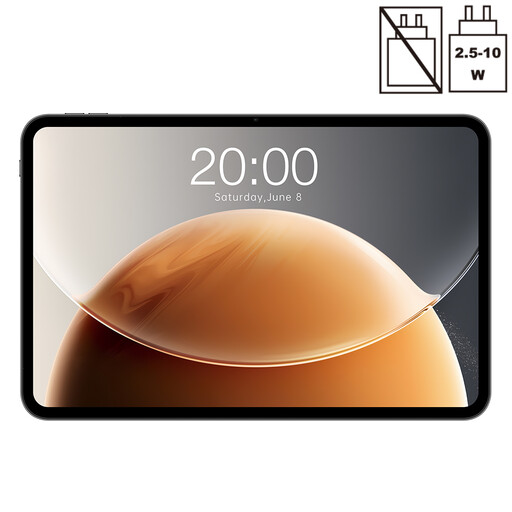 Image unavailable
Teclast T65, 13.4-inch, dual-SIM 4G
Its large display and mobile-data configuration may interest teams working with route maps beyond dependable Wi-Fi. The title specifies a 13.4-inch screen, dual-SIM 4G and GPS. Check network compatibility, carrying comfort, field protection and the annotation and offline features your workflow requires.
View on Joybuy
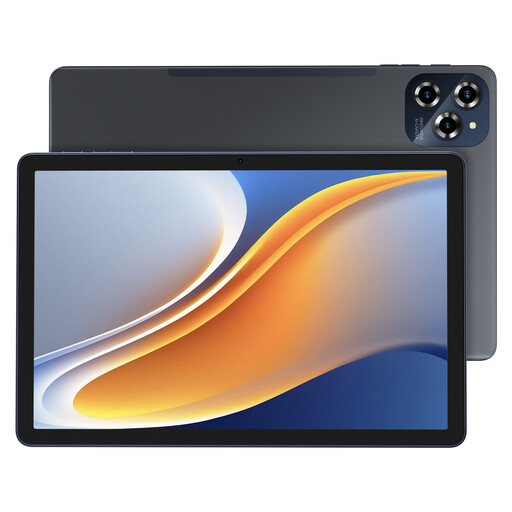 Image unavailable
TABWEE W90, 11-inch, dual-SIM 4G LTE
The listed 11-inch screen and dual-SIM 4G LTE configuration may suit map review where mobile data is required. Confirm the exact Android version, battery and camera specifications for this variant, then check network compatibility, outdoor protection and offline access to the required files.
Purchase link unavailable
Common questions
Should I choose an 8-inch or a 10-inch tablet for route reviews?
Choose a compact format if carrying the device throughout the walk matters most; consider a larger screen if detailed plans, photographs or annotations dominate the task. Try the actual map, PDF and form layouts before deciding, since screen size alone does not establish that they will be easy to use.
Do inspectors need cellular connectivity?
Cellular connectivity is worth considering when inspectors need live access beyond dependable terminal Wi-Fi and the organisation can use a compatible SIM or eSIM. A Wi-Fi workflow may suffice if the exact app supports local files or offline maps and later synchronisation; test that process before choosing a configuration.
Does IP68 cover every kind of water exposure at a ferry terminal?
No. For the Galaxy Tab Active5, Samsung describes an IP68 freshwater test of up to 1.5 metres for up to 30 minutes, advises against beach or pool use and says water or dust damage is not covered by its warranty. Check the intended model’s own conditions rather than extending that claim to saltwater or charging while wet.
Will an accessible tablet make our route-review system accessible?
No: the app, website and documents must also work with the reviewers’ interaction methods. UK Government Digital Service guidance says that public-sector websites and mobile apps within the applicable accessibility requirements must be perceivable, operable, understandable and robust; confirm whether the organisation and service are in scope, and test representative content and functions with the people who will use them.


