Detailed-map readers
If you inspect atlas spreads, contour lines, legends and small labels, assess the usable page area at your normal reading distance. A stand or cover may also matter if you expect to examine maps at a library desk.


For reading geography books in a library, choose an approximately 11-inch tablet if carrying it and holding it while reading matter most. Consider a 13-inch-class screen when you need more room for atlas pages and notes at a desk. Whichever size you choose, check access to your library service and the exact pen bundle before buying for annotation.
If you inspect atlas spreads, contour lines, legends and small labels, assess the usable page area at your normal reading distance. A stand or cover may also matter if you expect to examine maps at a library desk.
If you highlight passages, label diagrams or compare maps with handwritten notes, check the pen and app together. A tablet supporting a pen does not establish that the pen comes in the box.
If your main tasks are library e-books, web reading and PDFs, confirm that the services and file formats you use work on the chosen tablet. Check its storage choice and any accessories needed for your reading setup.
Start with a representative map page, then decide whether handwritten notes or access to a particular library service will determine your choice.
| Concern | What to check | Who this matters to |
|---|---|---|
| Map legibility and space | Open a typical atlas PDF at your reading distance. Check the labels without constant zooming and whether you will hold the tablet or set it on a desk. | If small labels and legends make me keep enlarging a page, I need enough room to inspect the map comfortably; around 40% of consumers put map legibility first. |
| Annotation workflow | Confirm pen compatibility, what the bundle includes and whether your PDF or notes app has the tools you need. | When I compare diagrams with course notes, writing on the document matters more to me than screen size alone. Roughly 40% of consumers make annotation their primary concern. |
| Apps, storage and accessories | Check your library service and file formats on the exact platform, then confirm the storage option and required accessories. | If I rely on a particular library app and keep books offline, I need those files and services to work on my tablet; about 20% of consumers put access and storage first. |
A larger screen gives you more room for a map, but may be less comfortable to hold. Apple lists its 13-inch iPad Air Wi-Fi model at 616 g, compared with 464 g for the 11-inch Wi-Fi model.
Try a representative atlas PDF at your usual reading distance, and decide whether you will mostly read with the tablet in your hands or on a desk.
Apple lists Pencil support for iPad Air, while Amazon identifies the Fire Max 11 stylus and keyboard case as optional. Compatibility and box contents are separate questions.
Check the exact tablet bundle and the compatible pen you would use before planning a handwritten-notes workflow.
A separate pen, case or keyboard may be needed for the setup you have in mind.
An 11-inch display is not enough on its own if your library service or preferred annotation app cannot be used as you need it.
Confirm your library service, e-book format, PDF reader and notes app for the exact Fire tablet before choosing it.
The charging arrangement and warranty terms on a particular listing can affect how you use the tablet after purchase.
For a UK purchase, check the exact listing for the supplied charging plug, warranty terms and product-conformity information.
The current iPad Air line offers 11-inch and 13-inch choices for readers weighing portability against space for maps and notes.
The Galaxy Tab S10 FE family offers a 10.9-inch S10 FE and a 13.1-inch S10 FE+ for different reading setups.
The Fire Max 11 is an 11-inch reading option to assess against the particular library services and apps you use.
These tablets offer different screen sizes and configurations for reading geography books in a library. Compare a map page on the size you intend to use, and check your library apps and any note-taking accessories for the exact model.
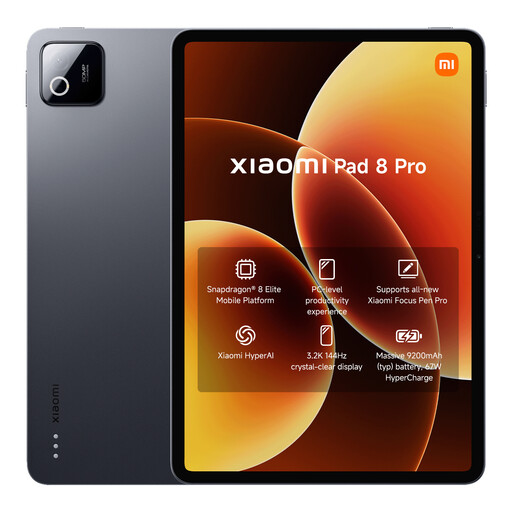 No image available
Consider this configuration if you want to keep geography books and PDFs on the tablet. The product name specifies 12 GB RAM and 512 GB storage. Check your library apps and whether you need a pen or a case for your reading setup.
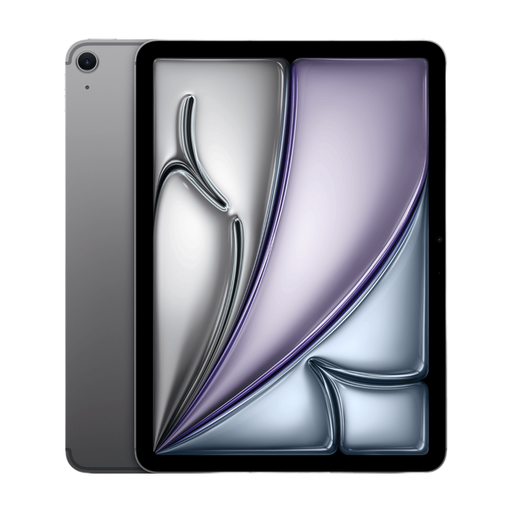 No image available
The 11-inch size is worth considering if you move between library desks and often hold the tablet to read. Apple lists a 2360 × 1640 Liquid Retina display, anti-reflective coating and Pencil support for the current 11-inch iPad Air. Check the exact Pencil bundle and your required reading apps.
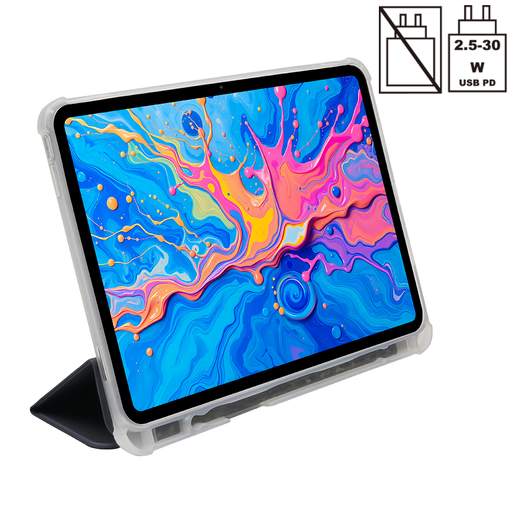 No image available
The 12.7-inch screen is a size to consider for examining atlas pages at a desk. The product name specifies a 2K display, 256 GB storage and T-Pen compatibility. Check whether the pen is in the exact bundle, whether the included case works as a stand and whether your library apps run on the tablet.
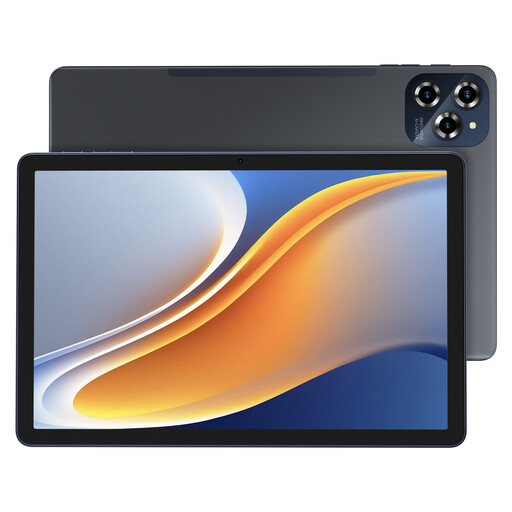 No image available
The 11-inch format is worth assessing if you carry reading material around the library. The product name specifies 256 GB storage and TF-card expansion of up to 2 TB. Confirm the installed Android version and your required library and PDF apps on the exact device; check pen support separately if you annotate by hand.
 No image available
The 10.1-inch screen suits consideration if your library reading setup has limited desk space, but test fine map labels at your usual reading distance. The product name lists 256 GB storage, TF-card support of up to 2 TB and a keyboard, mouse and stylus. Confirm the installed Android version and that your library and PDF apps work on this device.
Choose around 11 inches if you regularly carry and hold the tablet; consider around 13 inches if you usually examine full-page maps and notes at a desk. Apple lists its 11-inch iPad Air Wi-Fi model at 464 g and its 13-inch Wi-Fi model at 616 g, so screen space and carrying weight both deserve attention.
No, unless writing on PDFs, labelling diagrams or making handwritten notes is part of your reading routine. Check both the app and the exact bundle: Apple lists Pencil support for iPad Air, while Amazon describes the Fire Max 11 stylus as optional.
Use an offline option offered by your library service and follow its lending and licence terms. UK legislation makes library lending of e-books and e-audiobooks conditional on the library having lawfully acquired them and complying with the applicable purchase or licensing terms; check the service’s permitted download method rather than copying files independently.
Check the exact model, supplied charging arrangement, warranty terms and product-conformity information. For Great Britain, Department for Business and Trade guidance says CE marking continues to be recognised alongside or instead of UKCA marking where the relevant product regulations apply; a marking alone does not establish that every detail of a particular listing suits your needs.