Passenger route planners
A passenger comparing station layouts, stops and route details can give screen readability and access to maps priority without positioning the tablet for the driver.


Choose for the person who will use the map: a passenger can prioritise a readable screen, while a driver must not hold and use a tablet while driving. If the tablet needs its own connection away from Wi-Fi, check the exact cellular configuration and mobile plan; rugged features matter mainly when the tablet will also be handled outdoors in wet or dusty conditions.
A passenger comparing station layouts, stops and route details can give screen readability and access to maps priority without positioning the tablet for the driver.
GOV.UK says drivers must not hold and use a tablet while driving, including when stopped in traffic. A passenger can inspect detailed station maps instead, or the driver can do so when safely parked; any hands-free screen must leave the road view clear and the driver in control.
People regularly carrying a tablet between the vehicle and wet, dusty or glove-wearing conditions have more reason to examine rugged protection and location features. Samsung lists such features for the Galaxy Tab Active5 Pro.
Decide who will handle the tablet before comparing connections and screens. A large display does not make a driver-facing setup suitable if it blocks the view or invites distracting interaction.
| Concern | What to check | Who this matters to |
|---|---|---|
| Safe use in the car | Plan for passenger use or map review while safely parked. For driver-visible navigation, check holder fit and an unobstructed road view. | If I am driving, I need route information without holding the tablet or losing sight of traffic. Around 36% of consumers put low-distraction driver use first. |
| Connection away from Wi-Fi | Check the exact variant for cellular hardware and confirm that the intended mobile service is compatible; otherwise arrange a dependable Wi-Fi source. | When plans change away from Wi-Fi, I want the tablet itself to get online rather than depend on another device. Independent connectivity comes first for around 29% of consumers. |
| Readable station maps | Compare the exact model’s screen size, resolution, rated brightness and any stated glare treatment; consider where a passenger will hold it. | Small station labels and interchange details need enough screen space for me to inspect them comfortably. Map readability is the primary need for around 21% of consumers. |
| Outdoor durability | If the tablet will regularly leave the car, check its stated water and dust protection, glove operation and carrying size. | I expect to handle the tablet outdoors in rain, dust or gloves, so protection matters more to me than it would on an in-car-only trip. Around 14% of consumers prioritise rugged use. |
GOV.UK says the prohibition on holding and using a connected device applies to tablets, including when the vehicle is stopped in traffic or at lights. A mount does not remove the need to stay in full control. Regulation 109 also restricts what a driver-visible display may show.
Let a passenger inspect the station map, or park safely before reviewing its detail. If using hands-free destination information, keep the screen clear of the road view and avoid distracting interaction.
Apple lists 5G, Gigabit LTE and eSIM for Wi-Fi + Cellular versions of its 11-inch iPad (A16), not for its Wi-Fi-only version. A product-family name alone therefore cannot settle how that tablet will connect on the trip.
Check the precise configuration and compatible mobile service before relying on a direct connection. For a Wi-Fi-only choice, plan the Wi-Fi or hotspot connection you will use.
Station labels and route lines can be difficult to inspect under changing light. Apple, Lenovo and Samsung specify different screen sizes, resolutions and brightness ratings for the models discussed here; those ratings alone do not guarantee visibility in a particular vehicle.
Compare the exact screen specification and any stated glare treatment, then consider how a passenger will position the tablet without obstructing the driver’s view.
Samsung specifies IP68 protection, MIL-STD-810H compliance and glove-responsive touch for the Galaxy Tab Active5 Pro. Those features address conditions that may not arise when a passenger uses a tablet only inside the car.
Make rugged protection a deciding factor if rain, dust, gloves or repeated outdoor handling are part of the trip; otherwise focus on the screen and connection you need.
The 11-inch iPad (A16) is a reference point for choosing between a Wi-Fi setup and a specific Wi-Fi + Cellular configuration.
The Galaxy Tab Active5 Pro is relevant when map use extends into outdoor or field conditions.
The listed Tab M11 configuration is worth examining for passenger map reading with an available Wi-Fi connection.
These tablets offer screen choices for passenger station-map review: four list dual-SIM 4G connectivity, while the Xiaomi Pad 8 listing identifies a Wi-Fi configuration. Check mobile-service compatibility where relevant, and plan any detailed map interaction for a passenger or a safely parked vehicle.
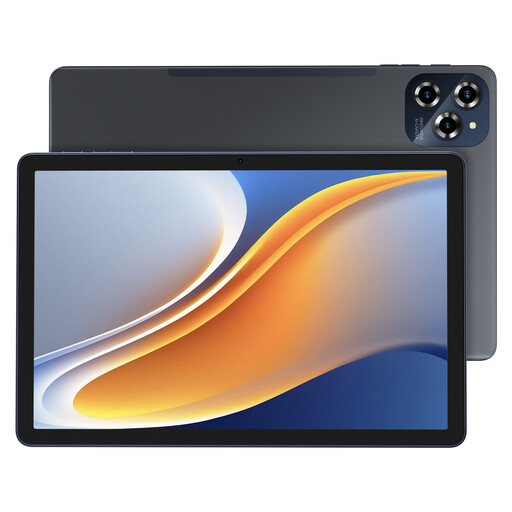 No image available
For passenger map review when an 11-inch screen and a listed direct-data option are priorities.
The title specifies Android 16, dual 4G SIM, 5G Wi-Fi and 256GB storage. Confirm UK network and SIM-plan compatibility before relying on 4G, and check that your intended holder fits without blocking the driver’s view.
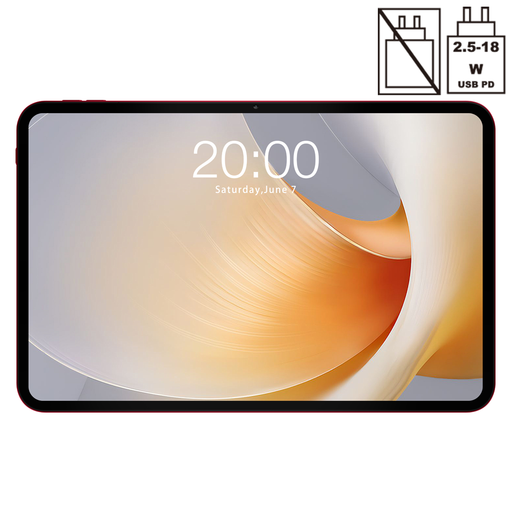 No image available
For a passenger considering a larger screen for station layouts, provided its size suits the intended carrying and vehicle setup.
The title lists a 13.4-inch 120Hz display, dual-SIM 4G LTE and GPS. Check holder fit, supported UK mobile bands and the intended SIM plan before depending on those features during a trip.
 No image available
For passenger map viewing when a 12.7-inch display and listed cellular connectivity suit the trip.
The title also specifies dual-SIM 4G LTE, GPS and an included stylus. Check UK network and plan compatibility, along with holder fit, before choosing this larger tablet for vehicle use.
 No image available
For passenger map review when a dependable Wi-Fi source is available and the tablet does not need its own mobile-data connection.
The title identifies an 8GB RAM, 128GB Wi-Fi configuration. Arrange a suitable Wi-Fi or hotspot connection if maps need to be accessed away from other networks, and check holder fit before positioning the tablet in a vehicle.
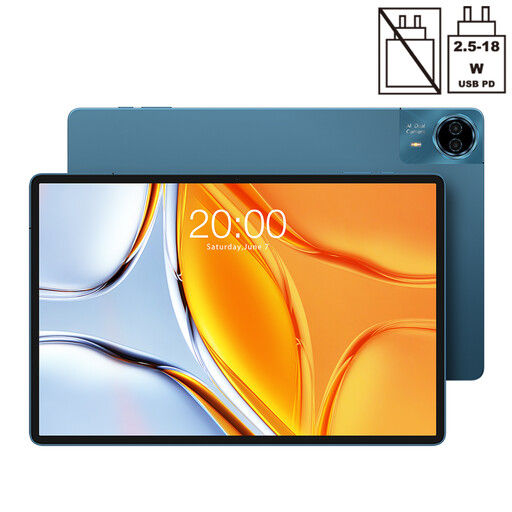 No image available
For a passenger who wants a 14-inch map canvas and can accommodate a particularly large tablet during the trip.
The title lists a 1920 × 1200 display, dual-SIM 4G LTE and GPS. Check UK network and SIM-plan compatibility and whether a holder can accommodate the tablet without obstructing the road view. Confirm the exact battery specification if it affects your travel plans.
No. GOV.UK says drivers must not hold and use a tablet or another device that can send or receive data while driving, including when stopped in traffic or at lights. Have a passenger inspect the map, or review it when safely parked.
Not automatically. GOV.UK says a hands-free device must not block the driver’s view of the road and traffic ahead, and the driver must remain in full control. The Road Vehicles (Construction and Use) Regulations 1986, Regulation 109, also restrict driver-visible displays to permitted information, including information that assists the driver to reach a destination; a mount is not a reason to inspect a detailed station map while driving.
Choose a cellular configuration if the tablet needs its own mobile-data connection away from Wi-Fi; otherwise, a dependable Wi-Fi source or hotspot may meet the need. Apple specifies 5G, Gigabit LTE and eSIM for Wi-Fi + Cellular versions of its 11-inch iPad (A16), so check the exact variant and compatible mobile plan rather than relying on the family name.
Check the exact tablet configuration, current availability, warranty wording and return terms on the listing you intend to use. Terms shown for one product should not be assumed to apply to another.