Regular long-form transcript editors
If you spend extended sessions correcting interviews, keyboard input, text selection and a workable arrangement for audio and text matter more to your task than media-viewing features.


For regular interview-transcript correction, start with a compatible physical keyboard and a stable viewing position, then choose an operating system that supports your audio, editing and export workflow. An 11-inch tablet leaves more room on a small table, while a larger screen gives you more space for a transcript and notes but requires a larger setup. If recordings contain personal information, assess device security and the transcription service as well as the tablet.
If you spend extended sessions correcting interviews, keyboard input, text selection and a workable arrangement for audio and text matter more to your task than media-viewing features.
A tablet that comes out for an editing session and is put away afterwards needs enough viewing space for your work without making the keyboard and stand awkward to position.
When recordings or transcripts contain personal information, account access, device security and the transcription provider’s handling of files need attention alongside screen and keyboard choices. The Information Commissioner’s Office advises organisations to use security measures appropriate to their processing risks.
Check whether your existing editing workflow runs on the tablet before deciding how much screen and keyboard space to give it on the table. The percentages below describe which need consumers might put first for this kitchen-table task; they are not measured purchaser shares.
| Concern | What to check | Who this matters to |
|---|---|---|
| Long-form typing | Check the exact model’s compatible physical keyboard, its layout and whether the keyboard and stand fit your working position. | If I spend hours correcting speaker names and moving through text, I need keys and a viewing angle I can use comfortably. Around 40% of consumers might put sustained typing first. |
| Workflow compatibility | Confirm that your chosen app or service handles your audio files, editing steps and required export format on the intended operating system and plan. | If a client needs a particular transcript file, I cannot choose the tablet on screen size alone. For around 30% of consumers, completing their existing import-to-export workflow would be the primary concern. |
| Table space and readability | Compare screen size with the full keyboard-and-stand footprint; measure the clear table area where you will work. | When I need to clear the table after each session, I want readable text without a setup that takes over the space. That balance might come first for around 20% of consumers. |
| Interview-data handling | For organisational work involving personal information, check device and account security, provider access and sharing controls, and the lawful basis for processing. | If identifiable recordings are part of my work, I need to know how they will be stored and shared before uploading them. Around 10% of consumers might make those safeguards their first priority. |
A tablet that suits sustained transcript editing may still need a separate keyboard and a stable stand. The tablet alone does not show how the complete setup will work at your table.
Check what comes with the exact model, then account for the keyboard, stand and any headphones or transcription-service plan your workflow requires.
Import and export capabilities depend on the service and subscription. Otter says its Basic plan, for example, exports conversations only as TXT files.
Before buying, check your service’s supported audio formats, editing tools and required export type on the operating system you intend to use. Review generated names, quotations and timestamps against the recording.
A larger display gives text more room, but the keyboard and stand determine how much of a kitchen table the open setup occupies.
Measure the space available with the keyboard open, including room for any notes you need beside the tablet.
Device security does not determine how a cloud transcription provider stores or shares interview files. For organisations processing personal information, the Information Commissioner’s Office also calls for a valid lawful basis and security measures appropriate to the risks.
Check account access, retention, sharing and transfer arrangements for the service as well as the device settings. Obtain project-specific organisational or legal advice where needed.
These product lines illustrate different operating-system and keyboard approaches; the right choice depends on the software and table setup you need.
The iPad Air is an iPadOS option if your transcription, document editing and exports work in compatible apps or a browser.
The Galaxy Tab S11 offers an Android route for compatible apps and browser tools, with Samsung DeX for a desktop-style interface.
Surface Pro is a Windows 2-in-1 route when established transcript-editing work depends on desktop software.
The Tab P12 is a larger-screen Android option for a compatible document-and-audio workflow.
These tablet choices focus on compact keyboard-equipped options and iPad Air models to consider with a separate keyboard for kitchen-table transcript editing. Check your transcription workflow on the exact tablet before choosing.
 No image available
Consider this smaller-screen option if a keyboard-equipped tablet appeals for a table you need to clear after editing.
The product title lists a 10.1-inch display, 256GB storage, a keyboard, mouse and stylus. Confirm the supplied keyboard’s UK layout and the Android version, which is described inconsistently, before buying.
Check that your transcription service can import recordings and export the files you need on this tablet.
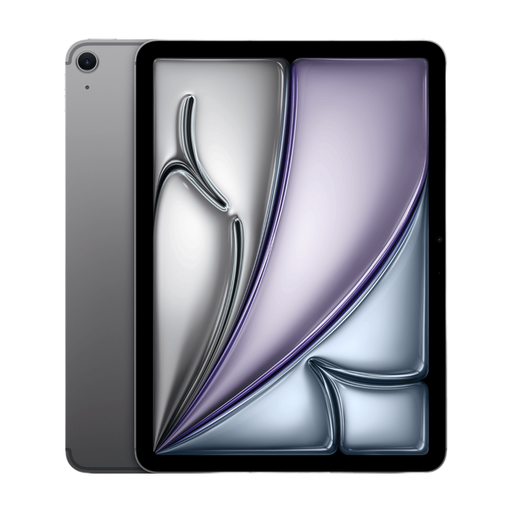 No image available
This 11-inch iPad Air is worth considering if your editing and export tools work on iPadOS and you want a smaller tablet for the table.
The listed variant has 128GB storage. A Magic Keyboard is sold separately; confirm the compatible model, UK layout and full setup footprint before relying on it for long typing sessions.
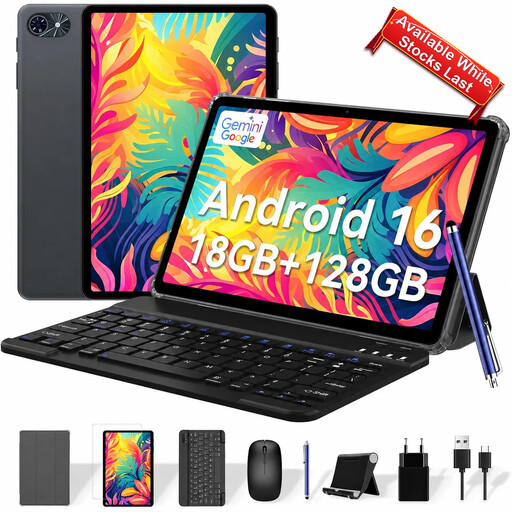 No image available
This is another compact keyboard-equipped option to assess for transcript corrections at a shared table.
The product title lists a 10-inch display and 128GB storage. Check the keyboard’s UK layout; the advertised RAM figures conflict, so confirm the specification if it affects your choice.
Confirm that the tablet supports your service’s audio-import and transcript-export steps.
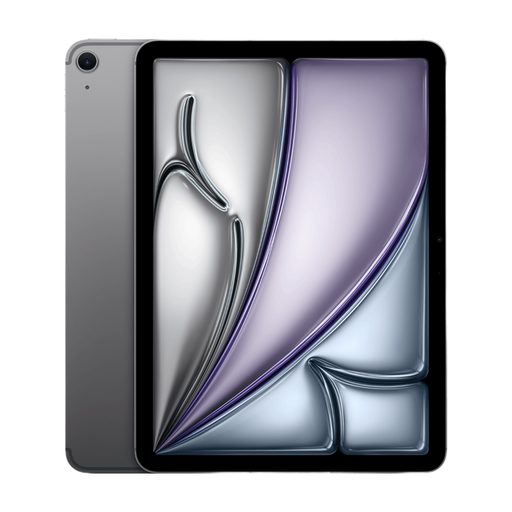 No image available
Consider the larger iPad Air route if your iPadOS workflow benefits from more visible room for a transcript and notes and you can accommodate the open setup.
The product title identifies a 13-inch, 256GB variant, but its description also calls the display 14 inches. Confirm the actual model and screen size before buying. A Magic Keyboard is sold separately; check exact compatibility and keyboard layout.
Choose an 11-inch option when storage and clear table space matter most; consider a larger display when you regularly view a transcript alongside notes or audio controls. Apple UK lists its 11-inch iPad Air Wi-Fi at 464g and its 13-inch Wi-Fi model at 616g before a keyboard, so compare the complete open setup rather than screen size alone.
A physical keyboard is the more practical starting point for repeated long-form corrections, while touch input may suffice for occasional small changes. Check the keyboard’s compatibility with the exact tablet, its layout and whether it is included.
It can if your chosen app or service supports the required steps on that tablet’s operating system and plan. Otter says it accepts MP3, MP4, WAV and M4A uploads, but limits Basic-plan conversation exports to TXT; check your own provider’s formats and editing functions before buying.
Treat generated text as a draft when accuracy matters. Compare names, quotations, speaker labels and timestamps with the recording before sharing or submitting the transcript.
For organisational processing of personal information, assess the handling of recordings and transcripts as well as the tablet. The Information Commissioner’s Office says controllers need a valid lawful basis and appropriate technical and organisational security measures; the requirements for a particular interview depend on its circumstances. Check provider access, storage and sharing arrangements, and seek project-specific advice where necessary.