Precision-first tactical players
If your play involves frequent aim corrections, compare shell fit and movement effort before focusing on maximum sensor settings.


Wearing headphones does not change the main mouse decision: choose a shell that suits your grip and enough accessible buttons for the commands you actually use, then compare weight and connection options. A lighter mouse may suit frequent aim corrections, while extra controls are useful when you intend to bind tactical actions; neither makes up for a poor fit.
If your play involves frequent aim corrections, compare shell fit and movement effort before focusing on maximum sensor settings.
If you play for extended sessions, look for a shape that supports your usual hand position and grip rather than choosing by DPI alone. Scan Computers and RTINGS both emphasise shape in their mouse-buying guidance.
If you regularly bind pings, equipment or other actions to your mouse, consider whether additional buttons are positioned where you can use them comfortably.
Start with grip fit and the actions you want on the mouse. Weight, tracking settings and wired or wireless operation are more useful comparisons once those needs are clear.
| Concern | What to check | Who this matters to |
|---|---|---|
| Grip fit and comfort | Compare the shell’s shape and dimensions with a mouse you know, and check its stated hand orientation. | If my usual grip feels cramped or unsupported, sensor figures will not resolve that fit problem during a long session. Around 36% of consumers put grip fit and comfort first. |
| Low-effort aiming | Check stated weight and the exact model’s adjustable tracking controls; treat maximum DPI and polling rate as capabilities, not required settings. | When I make frequent swipes and small corrections, I want movement and sensitivity settings that suit my aiming style. For around 29% of consumers, low-effort aiming is the primary concern. |
| Tactical commands | Count the buttons you can programme and check where the side controls sit against the actions you plan to bind. | If I use mouse-bound pings or equipment controls, I need buttons I can reach without unwanted presses. Direct command access comes first for around 21% of consumers. |
| Connection and charging | Confirm the connection modes, charging arrangement and items included with the exact model. | I would rather play without a mouse cable, provided its charging routine works for my setup. Around 14% of consumers place cable-free use and battery flexibility first. |
A high maximum setting does not tell you whether the shell suits your hand. Scan Computers and RTINGS both identify shape as an important part of mouse selection.
Check your grip and preferred shell first, then compare the settings you would actually use.
Shell symmetry alone does not establish hand orientation or equal access to side buttons. The Joybuy listing for the Razer Viper V3 Pro describes that particular model as right-handed symmetrical.
Check the stated hand orientation and button positions on the exact model.
SteelSeries specifies nine programmable buttons on the Aerox 5 Wireless, but additional controls offer little practical value if your preferred actions remain on the keyboard.
List the commands you would bind and check whether their buttons are comfortably placed.
Box contents vary by product. The Joybuy listing for the Razer Viper V3 Pro specifies a cable and dongle but no USB wall adaptor.
Check the exact product’s included accessories and how you intend to charge it before ordering.
If you cannot charge from a computer USB port, you may need a compatible adaptor for that listed configuration.
The Viper V3 Pro represents Razer’s lightweight wireless esports range.
Its cited range includes the conventional G PRO X SUPERLIGHT 2 and the differently shaped DEX option.
The Aerox 5 Wireless is an option to examine when direct access to more commands matters.
These mice offer different combinations of wireless connectivity, stated weight and controls for tactical play. Compare each shell and button layout with your own grip and planned commands.
 No image available
Consider this model if you want a charging dock and a choice of connection modes for your setup. Its title specifies a PAW3311 sensor, up to 24,000 DPI and Bluetooth, 2.4G and USB-C modes.
Check the exact weight and button layout before relying on it for low-effort aiming or particular tactical binds.
 No image available
Consider this model if a stated 56 g weight and a charging base suit your aiming and desk setup. Its title specifies a PAW3950 sensor, 2.4G wireless and wired modes, and an 8 kHz polling-rate capability.
Check its shell against your grip and confirm the maximum DPI and button placement if those details affect your settings or binds.
 No image available
Consider this model if you have several tactical actions to bind: its title specifies ten programmable buttons alongside a stated 53 g weight and 8 kHz wireless polling capability.
Check whether the button positions suit your grip. The stated battery life of up to 750 hours applies at 1,000 Hz with an updated driver and low-power mode enabled.
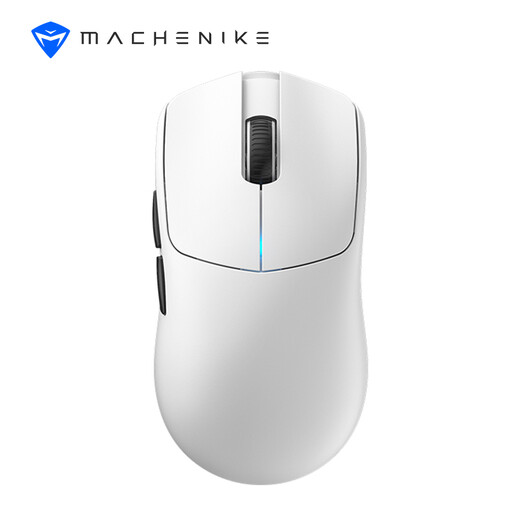 No image available
Consider this model if stated low weight and connection flexibility are priorities. Its title specifies 49 g, a PAW3395 sensor, and wired, 2.4G and Bluetooth modes.
Check the shell against your hand and confirm button remapping before choosing it for mouse-bound tactical commands.
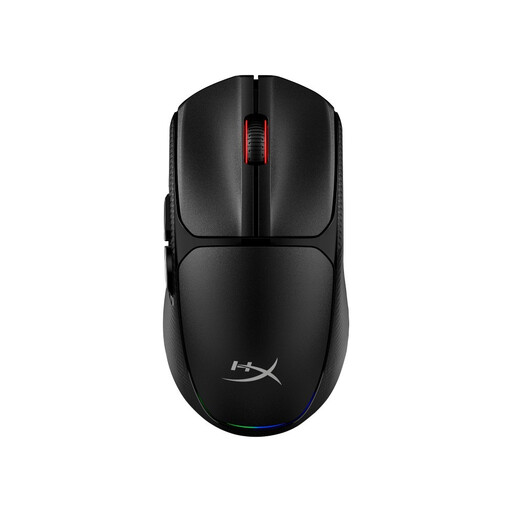 No image available
If you are considering this wireless model for tactical play, assess its grip fit and accessible controls against your usual mouse.
Confirm its weight, tracking settings and programmable-button layout if those factors determine your choice.
No: a wired connection is not automatically required for tactical games. Scan Computers notes that high-end wireless gaming mice can compete with wired options; compare the exact models, then decide whether avoiding a cable is worth managing charging.
No. Maximum DPI describes an adjustable capability, not the sensitivity you must use. Start with a shape you can control, then check that the mouse lets you set a suitable sensitivity in its software and your game.
Headphones alone do not call for a particular mouse shape, sensor or button count. Choose the mouse for your grip, aiming and commands; if both devices use USB connections, check that your computer has the ports your setup needs.
Ask the retailer about electrical-waste take-back or check a suitable local recycling option. GOV.UK describes retailer take-back for waste electrical equipment of the same type as an item being purchased; check how the retailer provides that service before bringing in your old mouse.