
24/7 Customer Support

Free returns

Same-day & Next-day Delivery

Quality Guaranteed

Unlock Your Welcome Offers: FREE Delivery | Up to 80% OFF | Free 30-day JoyPlus trial
Download the APP
Finding suitable Taiwanese food in the UK is easier than it once was, but online shopping still requires careful checking. Product photos may look similar while the contents, storage requirements and preparation methods differ considerably. This matters whether you are buying a quick student meal, family freezer food, Taiwanese snacks for sharing or ingredients for a homemade dessert.
Joybuy Product Recommendation Officer advice focuses on the information that is easy to overlook, rather than relying on broad marketing descriptions.
A product can be inspired by Taiwanese cuisine without being manufactured in Taiwan. For example, some Taiwanese frozen food products are made in China, the UK, Germany or Spain. This does not automatically indicate poor quality, but country of origin is useful information when you are looking for a particular style, recipe or supply chain.
Check the country of origin, responsible person and importer details on the product page or packaging. This is especially important for shoppers seeking authentic Taiwanese snacks or traditional flavours.
Some products are ready to eat, while others are ready to cook. Taiwanese sausages, taro balls, glutinous rice balls and frozen chicken products generally require thorough cooking. Eating them straight from the packet can be unsafe.
Look for clear instructions such as “cook from frozen”, “thaw before cooking” or “ready to eat”. Self-heating rice meals also require specific handling, including adding water to the heating pouch and keeping the steam outlet clear.
Frozen products need freezer space at -18°C or below, while refrigerated roast sausages may need to be consumed within a stated period after opening. A 1.2kg pack of gua bao buns may suit a family or frequent home cook but be excessive for someone living in a small student flat.
Before ordering, compare net weight, storage conditions, preparation time and how quickly the food must be consumed after opening.
Read the full ingredient list instead of relying only on the product title. Common allergens in Taiwanese food include soya, wheat or gluten, sesame, milk, egg, crustaceans and molluscs. For instance, Taiwanese braised pork may contain soya, wheat, sesame and oyster sauce, while pineapple cakes commonly contain wheat, soya, milk and egg.
Nutrition panels also help you compare products objectively. Check salt, saturated fat, sugar and protein per 100g, particularly when combining sausages, sauces and ready meals in one order.
Follow the instructions supplied with the product. Several frozen meat products specify that the centre should exceed 70°C before serving. Cooking times vary by appliance, so use the stated time as a guide and ensure the food is piping hot throughout.
For frozen desserts, texture often depends on cooking correctly. Taro balls should be boiled until they float and become translucent, while glutinous rice balls should be cooked before eating. Plunging cooked taro balls into iced water can help create a firmer, chewier texture.
Choose the format that fits your kitchen and schedule:

Why This Fits Their Persona: Individually wrapped cakes are convenient for packed lunches, study breaks or sharing without requiring freezer space or cooking equipment.
It is clearly labelled ready to eat, so there is no confusion between a snack and a product requiring cooking.
184g pack; pineapple and winter melon filling; individually wrapped; suitable with tea, coffee or as a dessert.
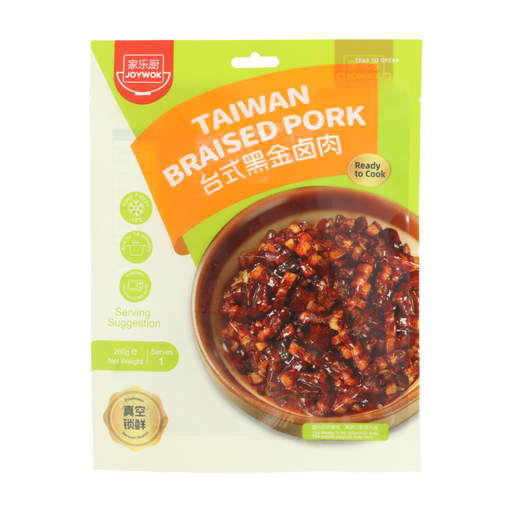
Why This Fits Their Persona: A ready-to-heat option for shoppers who want a more substantial Taiwanese meal without preparing a sauce from scratch.
The pack states a 77% pork content, 260g net quantity and clear saucepan heating instructions.
Includes shiitake mushrooms; designed to serve over steamed rice; cooks for approximately 5–8 minutes from frozen.
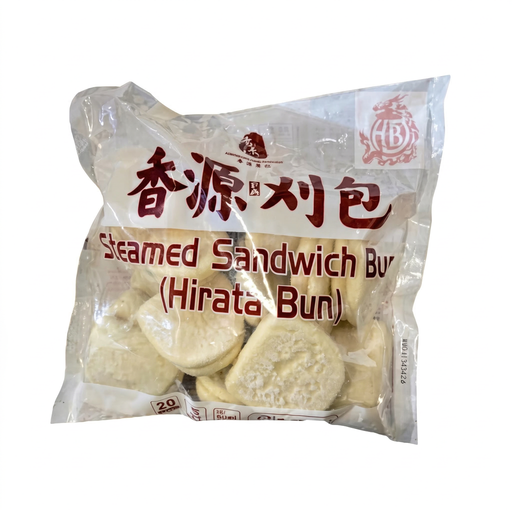
Why This Fits Their Persona: The large frozen pack suits families, meal-prep routines and home cooks planning several rounds of gua bao buns.
The 1.2kg quantity makes the intended use clear, while the product specifies that the buns must be thawed and steamed.
Soft steamed bun format; suitable for fillings such as braised pork and pickled vegetables; wheat allergen is stated.
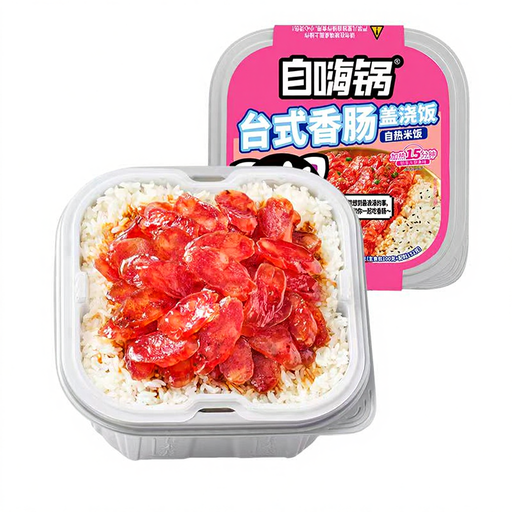
Why This Fits Their Persona: The self-heating format is designed for situations where a microwave, hob or kitchen equipment is not available.
Instructions state that it takes around 15 minutes and requires cold water, rather than suggesting instant preparation without safety steps.
Includes rice, Taiwanese-style sausage, sauce and heating pouch; store at room temperature in a dry place.
We have compiled a complete, real-time list of products that fully satisfy these strict selection criteria and UK safety regulations.
A varied order can cover several eating occasions:
Yes, provided the preparation method matches your facilities. Pineapple cakes need no cooking, self-heating rice meals need only cold water and frozen meals can be prepared with a saucepan, steamer or air fryer. Always check storage requirements before ordering, as frozen products require suitable freezer space.
Most frozen items should remain at -18°C or below and should not be refrozen after defrosting. Follow the individual label, as some products must be cooked from frozen while others require thawing in the refrigerator.
Review the complete allergen declaration every time. Soya and wheat are common in sauces, buns and rice meals; sesame, milk, egg, seafood and sulphites may also appear in selected products. If you have a food allergy, use the packaging information as the final reference before consumption.