
24/7 Customer Support

Free returns

Same-day & Next-day Delivery

Quality Guaranteed

Unlock Your Welcome Offers: FREE Delivery | Up to 80% OFF | Free 30-day JoyPlus trial
Download the APP
Shopping for tampons can seem straightforward until you compare absorbency labels, applicator designs, materials and pack sizes. Marketing language such as “natural”, “comfort” or “maximum protection” does not always explain what you are actually buying.
The most suitable tampons depend on your menstrual flow, insertion preference and priorities around plastic use. This guide compares the key details to check before purchasing, followed by product recommendations for different UK shoppers.
A higher absorbency does not automatically provide a better fit. Regular tampons are generally intended for light to medium flow, while super tampons and super plus tampons are designed for heavier days. Using more absorbency than needed may make removal uncomfortable and is not recommended from a safety perspective.
Choose the lowest absorbency suitable for your flow. If a tampon becomes saturated quickly or leaks regularly, consider moving up one absorbency level. If it remains relatively dry when removed, a lower absorbency may be more appropriate.
Applicator tampons can make insertion easier for some people, particularly when using tampons for the first time. However, plastic applicators create additional waste, while cardboard applicators may feel different during use. Non-applicator tampons are usually smaller and easier to carry, but they require finger insertion.
Look beyond the word “applicator” and check whether it is plastic, compact, biodegradable or compostable. These are practical differences that affect both your routine and disposal choices.
Terms such as “eco-friendly tampons” can cover several different features. A product may have an organic cotton core but a plastic applicator, or a compostable wrapper but synthetic components elsewhere.
Check the full materials list, including the absorbent core, cover, string, wrapper and applicator. Organic cotton, plastic-free, chlorine-free and compostable are separate characteristics rather than interchangeable claims.
Tampon labels commonly include regular, super, super plus and sometimes super plus extra. Product descriptions may also provide approximate absorption in grams:
Absorbency ranges are not always identical between brands, so use the product’s own chart and leaflet. For example, the Lil-Lets SmartFit Super Plus product lists 12–15g, while the Natracare Super Organic Cotton Applicator Tampons list 9–12g.
There are three practical formats:
Applicators should never be flushed. Used tampons and applicators belong in a bin, while packaging should be disposed of according to the material guidance and local UK recycling facilities.
For people looking for sensitive skin tampons, fragrance-free and dye-free options may be worth prioritising. Organic cotton tampons can also appeal to shoppers who want a cotton-only absorbent core, although the complete product should still be checked for covers, strings and packaging materials.
If reducing plastic is important, look for specific wording such as plastic-free applicator, compostable wrapper or 100% organic cotton. Do not assume that a brand-wide sustainability statement applies to every product variant.
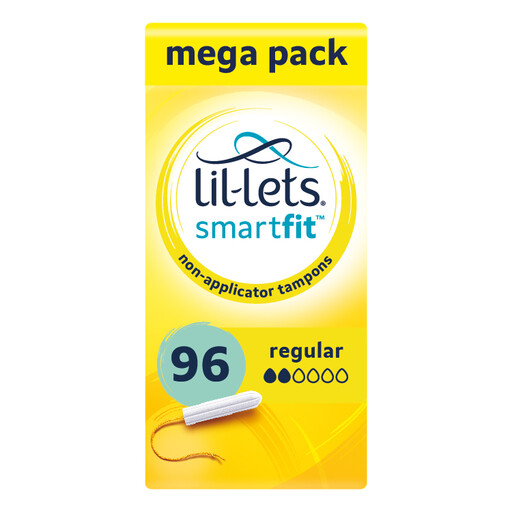
Why This Fits Their Persona: A multi-pack of regular, non-applicator tampons suits light to medium flow and shoppers who want a compact supply for work, travel or everyday use.
The regular absorbency avoids defaulting to a higher level, while the non-applicator format avoids paying for an applicator that may not be wanted.
The listing provides 6 x 16 tampons, individual wrappers and a compact design for discreet storage.
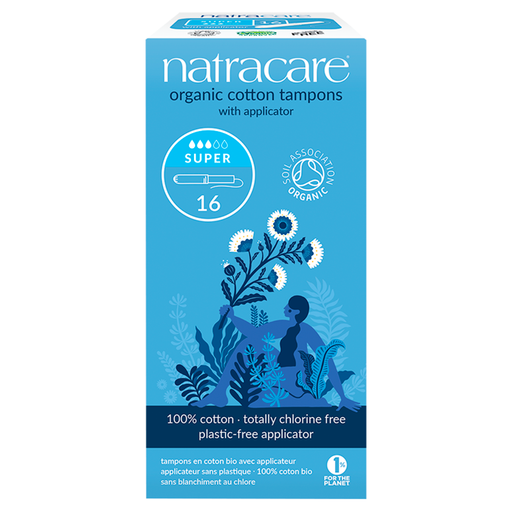
Why This Fits Their Persona: This option combines super absorbency for medium to heavy flow with a cardboard applicator for shoppers prioritising organic cotton and reduced plastic use.
The listing clearly identifies 100% GOTS certified organic cotton, a biodegradable cardboard applicator and a perfume-, dye- and chlorine-free specification.
The smooth cardboard applicator has a rounded petal-shaped end, and the stated absorbency is 9–12g.
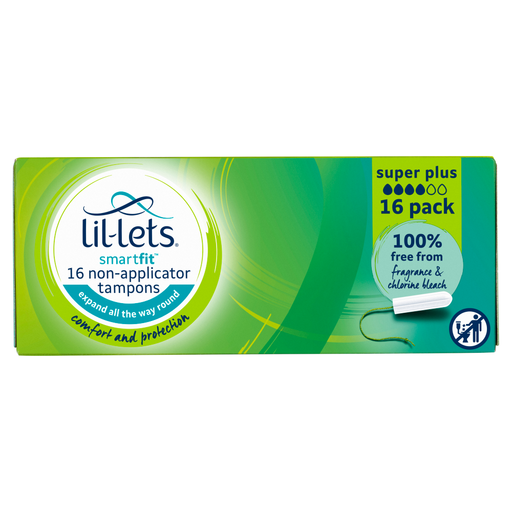
Why This Fits Their Persona: Designed for heavy flow days, this non-applicator option is suited to shoppers who prefer finger insertion and want a higher absorbency in a handbag-sized format.
The stated 12–15g absorbency makes the intended use clearer than relying on vague “maximum protection” wording.
SmartFit technology is described as expanding widthways, and the wrapper is certified compostable.
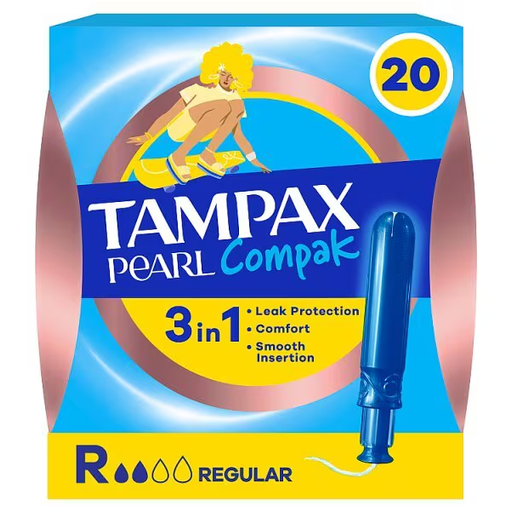
Why This Fits Their Persona: The compact applicator and regular absorbency suit light to medium flow, commuting and situations where a familiar guided insertion method is preferred.
The pack specifies regular absorbency and a compact applicator, making it easier to compare against full-size applicator tampons.
The listing specifies a smooth plastic applicator, rounded tip, anti-slip grip, fragrance-free materials and a 20-pack.
Wash your hands before and after insertion or removal. Follow the leaflet supplied with the product and change tampons according to its instructions, generally within 4 to 8 hours, or sooner when saturated. Never leave one in longer than recommended, and remember to remove the final tampon at the end of your period.
Tampons are associated with Toxic Shock Syndrome (TSS), a rare but serious illness. If you develop sudden fever, vomiting, diarrhoea, dizziness, fainting or a sunburn-like rash while using one, remove it and seek urgent medical advice. Anyone with a previous history of TSS should speak to a healthcare professional before using tampons.
Store unopened packs in a cool, dry place. Check the packaging for the latest ingredients, batch and storage information before use.
We have compiled a complete, real-time list of products that fully satisfy these strict selection criteria and UK safety regulations.
Most products advise changing every 4 to 8 hours, but the exact interval depends on the brand and absorbency. Change sooner if the tampon becomes saturated, and do not exceed the time stated on the packaging.
Some shoppers prefer organic cotton, fragrance-free or dye-free materials when choosing sensitive skin tampons. However, sensitivity varies, and organic status alone does not guarantee that every component is cotton. Review the complete materials list and stop using the product if irritation occurs.
“Compostable” and “recyclable” are different terms. A certified compostable wrapper may require a suitable composting facility and should not automatically be placed in household recycling. Follow the product packaging and your local council’s disposal guidance. Used tampons and applicators should be placed in a bin, never flushed.