
24/7 Customer Support

Free returns

Same-day & Next-day Delivery

Quality Guaranteed

Unlock Your Welcome Offers: FREE Delivery | Up to 80% OFF | Free 30-day JoyPlus trial
Download the APP
Choosing tampons should be straightforward, yet packaging and marketing language can make it difficult to compare products. Absorbency labels, applicator designs and material claims do not always tell the whole story.
UK shoppers commonly run into three buying pitfalls:
The right choice depends on your flow, preferred insertion method, skin sensitivities and waste priorities. The following guide explains the practical details to check before buying tampons online.
Absorbency is usually shown using terms such as regular, super, super plus or super plus extra. These labels are useful for comparing products within a range, but they are not a reason to choose the highest level available.
For example, Tampax Pearl Regular products are listed for light to medium flow, while Tampax Pearl Super is listed for medium to heavy flow. Tampax Pearl Super Plus is intended for heavy flow days. Lil-Lets Smartfit Regular and Super Plus products follow a similar flow-based distinction.
Always use the lowest absorbency suitable for your flow and change the tampon according to the pack instructions. If a tampon remains relatively dry when removed, consider moving down an absorbency level. If it becomes saturated quickly, a higher absorbency or additional external protection may be more suitable.
Tampons with applicator are often preferred by first-time users or anyone who wants guided insertion. Plastic applicators, such as those on Tampax Pearl tampons, include rounded tips and grip features. Compact applicators, used by Tampax Compak Pearl, can take up less space in a handbag.
Non-applicator tampons are smaller and often use less packaging material. They are inserted with clean fingers and can be a practical choice for travel, work or keeping several in a small purse. Lil-Lets and Natracare offer non-applicator options across regular and higher absorbencies.
There is no universal preference. Consider whether you prioritise guided insertion, compact storage, reduced plastic or familiarity during use.
For shoppers seeking organic cotton tampons, inspect the stated composition rather than relying on front-of-pack wording. Natracare’s listed products use certified organic cotton, while the Natracare applicator versions use cardboard applicators. Other products may use blends containing cotton, rayon, viscose, polyethylene or polypropylene.
If you are looking for eco-friendly tampons or plastic-free tampons, check each component:
Material preferences are personal. If irritation occurs, stop using the product and seek appropriate medical advice.
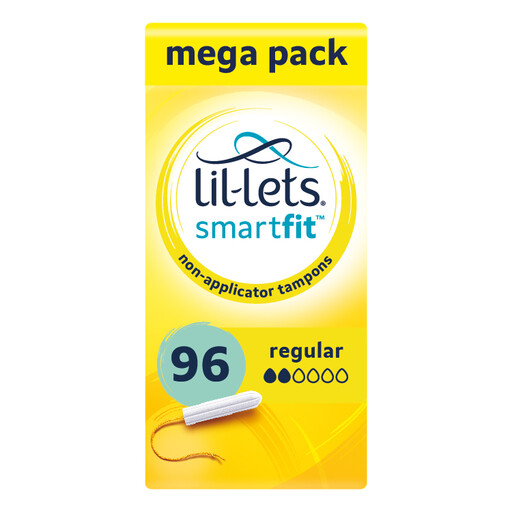
Why This Fits Their Persona: A regular absorbency, non-applicator format suits light to medium flow days and provides a compact option for school, work, travel or everyday storage.
It avoids paying for unnecessary high absorbency when regular protection is appropriate, while the non-applicator design reduces bulk.
Regular absorbency; individually wrapped tampons with compostable cellophane wrappers.
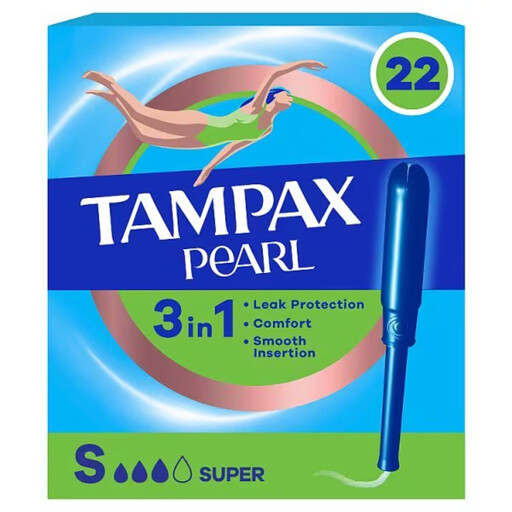
Why This Fits Their Persona: Suitable for medium to heavy flow, this option is intended for shoppers who prefer an applicator and features designed for controlled insertion.
The Super label clearly indicates its intended flow range, helping shoppers avoid selecting a high absorbency solely because of prominent packaging.
SmoothTouch plastic applicator; fragrance-free construction with a 22-pack format.
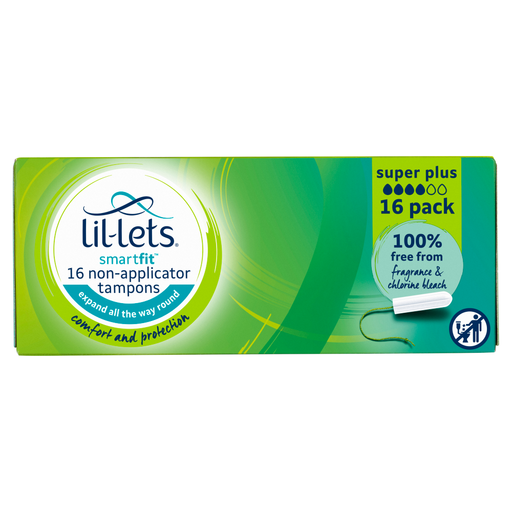
Why This Fits Their Persona: Designed for heavy flow days, this non-applicator format suits shoppers who want a discreet product for commuting, exercise or long working days.
It states Super Plus absorbency and a non-applicator design clearly, avoiding confusion between convenience features and actual flow capacity.
SmartFit expansion design; fragrance-free and chlorine-bleach-free materials with a compostable cellophane wrapper.
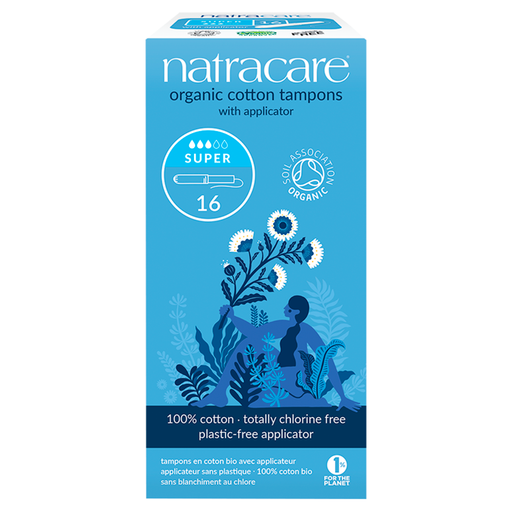
Why This Fits Their Persona: A suitable option for shoppers prioritising organic cotton, a cardboard applicator and a plastic-free period-care format for medium to heavy flow.
The listed materials identify both the certified organic cotton tampon and biodegradable cardboard applicator, rather than using an unspecified eco label.
100% GOTS-certified organic cotton; plastic-free cardboard applicator and perfume-free construction.
Follow the instructions included with the pack. Wash your hands before insertion and removal, and change tampons within the stated time. Product guidance commonly specifies changing every 4 to 8 hours, or sooner if saturated; some products state a shorter interval.
Tampons are associated with Toxic Shock Syndrome (TSS), a rare but serious illness. Remove the tampon and seek urgent medical attention if symptoms such as sudden fever, vomiting, diarrhoea, dizziness, fainting or a sunburn-like rash occur. Do not use a tampon for longer than the packaging recommends, and use the lowest absorbency suitable for your flow.
Store unopened tampons in a clean, cool and dry place. Do not use products with damaged or contaminated wrappers.
We have compiled a complete, real-time list of products that fully satisfy these strict selection criteria and UK safety regulations.
Check the instructions on the specific pack and change it within the stated interval, commonly every 4 to 8 hours or sooner if saturated. Never leave a tampon in longer than recommended.
Super tampons are generally listed for medium to heavy flow, while super plus tampons are intended for heavier days. Super plus extra products, such as the listed Lil-Lets option, are designed for very heavy flow. Choose according to your own pattern and always use the lowest suitable absorbency.
Organic cotton tampons may appeal to shoppers who want certified cotton and fewer synthetic materials, but environmental impact also depends on the applicator and wrapper. Look for specific information such as certified organic cotton, cardboard applicators and compostable packaging rather than relying only on a general eco-friendly claim.