
24/7 Customer Support

Free returns

Same-day & Next-day Delivery

Quality Guaranteed

Unlock Your Welcome Offers: FREE Delivery | Up to 80% OFF | Free 30-day JoyPlus trial
Download the APP
Making bubble tea, Asian desserts or gluten-free bakes at home can be straightforward, but buying the wrong tapioca pearls often leads to disappointing texture, wasted ingredients and unnecessary cost. The product name alone does not tell you whether a pack is suitable for a quick drink, a dessert recipe or food-service use.
Before adding boba pearls to your basket, check the cooking method, ingredient list, pack size and intended use.
Tapioca starch, also called cassava starch or tapioca flour, is a fine powder. It can thicken sauces, improve gluten-free baking texture and form the base of homemade bubble tea pearls, but it requires preparation and cooking.
Ready-made bubble tea pearls are shaped products designed to be boiled or heated according to the pack instructions. Buying starch when you need an instant topping means more preparation, while buying prepared pearls for baking or sauce-making may not deliver the right result.
Cooking times vary considerably. Some quick-cook tapioca pearls may be ready after a short boil and resting period, while traditional or flavoured tapioca pearls can require 15–20 minutes or longer. A product that looks convenient may still need rinsing, draining and soaking in syrup.
Always check whether the pack is labelled as quick-cooking, no-cook or cooking-required. “No-cook” products may still need handling according to the label, and food should not be consumed raw unless the packaging specifically confirms it is ready to eat.
Brown sugar boba and flavoured tapioca pearls may contain colourings, thickeners, preservatives, flavourings or sweeteners. For example, some products list aspartame, which contains a source of phenylalanine, or sulphites. These details matter when serving children, guests with dietary restrictions or anyone managing an allergy.
Read the full ingredient and allergen information rather than relying only on terms such as “natural”, “authentic” or “traditional”.
For a busy weekday drink, quick-cook pearls can reduce preparation time. For dessert recipes such as coconut sago, mango pudding or sweet soups, standard tapioca pearls may be more suitable. The finished texture should be soft and chewy, with no hard centre.
Follow the stated water-to-pearl ratio and keep the pearls moving gently during cooking to reduce sticking. After boiling, draining and rinsing can help remove excess surface starch. Soaking cooked pearls in brown sugar syrup or another sweetener adds flavour, but it also affects the final sugar content of the drink.
Pure starch products, such as tapioca starch, are useful when you want control over a recipe. They typically have a neutral taste and can provide thickening, binding or a chewy texture. Tapioca starch is naturally derived from cassava, while cassava starch is another common name for the same type of ingredient.
Prepared pearls may contain corn starch, stabilisers, emulsifiers, preservatives, colours and flavourings. If you need a gluten-free starch, check the product label and allergen statement. “Gluten-free” suitability can depend on the complete product and manufacturing controls, so people with coeliac disease or serious allergies should verify the packaging and supplier information.
A 200–300g pack is practical for occasional home use. A 400–500g starch pack suits regular cooking and baking, while a 1kg bag of pearls can make more sense for frequent bubble tea preparation, parties or small food-service operations.
Dry tapioca products should generally be stored in a cool, dry place and sealed after opening. Moisture can affect powder flow and pearl quality. Cooked pearls are more perishable than dry products, so prepare only what you expect to use and follow the pack’s storage instructions.
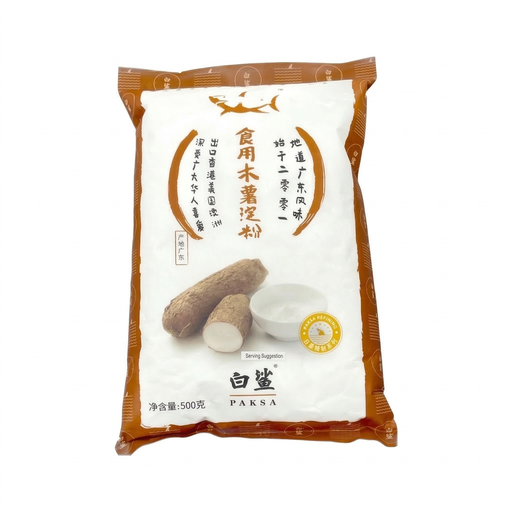
Why This Fits Their Persona: A manageable 500g pack for home cooks exploring sauces, desserts, pastries or homemade tapioca recipes without committing to a larger quantity.
The product is clearly identified as cassava starch rather than prepared pearls, helping shoppers choose it for recipes that require a powder.
Fine white powder; listed for thickening, desserts, meat marinades and pastries.
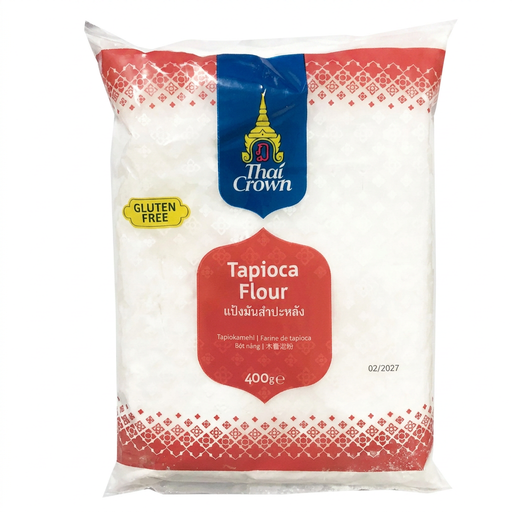
Why This Fits Their Persona: Suitable for shoppers wanting one versatile ingredient for bubble tea pearls, mochi, puddings, sauces and gluten-free baking.
Its description explains that it is a raw ingredient, so buyers are less likely to mistake flour for ready-to-eat boba.
100% tapioca flour; listed as allergen-free and suitable for thickening and baking applications.
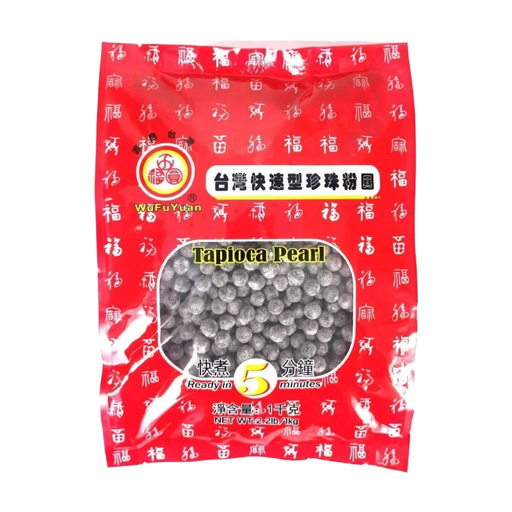
Why This Fits Their Persona: A larger format for frequent bubble tea fans, family gatherings, cafés or small-scale food-service preparation.
The 1kg quantity makes the intended high-volume use clear, while the ingredient list allows buyers to review additives before ordering.
Quick-cook format; large 1kg pack for repeated servings.
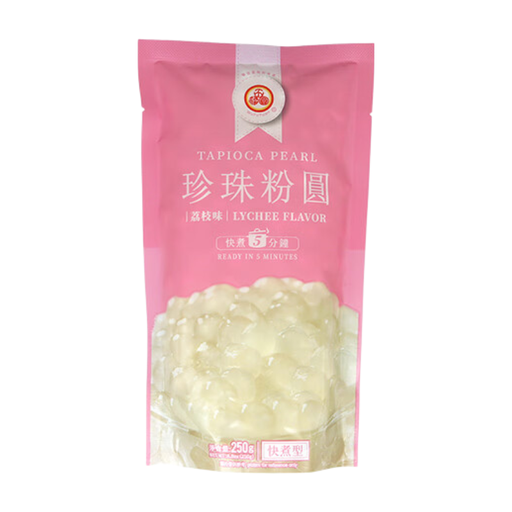
Why This Fits Their Persona: A practical choice for trying flavoured toppings in milk tea, fruit tea, sweet syrup and dessert bowls.
The pack specifies a 15–20 minute cooking method and identifies sweetener and preservative information for informed purchasing.
Lychee flavour; individually packed 250g format; suitable for drinks and desserts.
We have compiled a complete, real-time list of products that fully satisfy these strict selection criteria and UK safety regulations.
Tapioca is made from cassava and is naturally gluten-free. However, prepared products may include other starches or additives, and manufacturing conditions vary. Check the ingredient list and allergen declaration, particularly if you have coeliac disease or a serious allergy.
Cooked pearls are generally intended for prompt use because they can harden or lose their chewy texture over time. Follow the product instructions, keep them covered and avoid preparing more than you need for the same serving period.
It can thicken sauces, soups and fillings, but it behaves differently from cornflour. Tapioca starch can create a clearer, glossier finish and a more elastic texture. Start with the recipe’s recommended quantity and mix the powder with cold liquid first to form a slurry and reduce lumps.