
24/7 Customer Support

Free returns

Same-day & Next-day Delivery

Quality Guaranteed

Unlock Your Welcome Offers: FREE Delivery | Up to 80% OFF | Free 30-day JoyPlus trial
Download the APP
Making bubble tea at home can be affordable and enjoyable, but choosing the wrong product may lead to hard centres, clumping, wasted ingredients or a texture that does not match your recipe. The term tapioca pearls covers several different products, from quick-cook boba pearls to small sago pearls and raw tapioca starch.
This guide helps UK shoppers compare formats, read packaging properly and select products for drinks, desserts, baking or larger-volume use.
Tapioca starch, also sold as tapioca flour, is a fine powder made from cassava. It is useful for thickening sauces, making chewy doughs, preparing homemade pearls and improving the texture of gluten-free baking. It cannot simply be poured into a drink as boba.
Ready-to-cook bubble tea pearls have already been formed and require boiling according to the pack instructions. If you want a convenient milk tea topping, check that the product is clearly labelled as pearls, boba or sago rather than starch or flour.
Quick-cook tapioca pearls reduce cooking time, but they still need the correct heat treatment unless the packaging specifically states that they are no-cook. For example, one brown sugar variety gives a five-minute cooking time followed by a covered resting period. Other products require longer boiling.
Never consume raw pearls or raw starch. Undercooked pearls may remain firm in the centre, while overcooking can make them excessively soft. Follow the individual pack instructions rather than relying only on a general recipe found online.
Black sugar tapioca pearls and brown sugar boba are usually coloured and flavoured, but a darker appearance does not automatically indicate a stronger taste or more authentic result. Check the ingredient list for colourings, sweeteners, flavourings and preservatives.
Plain tapioca pearls give you more control over syrup and tea strength. Flavoured pearls can be convenient for brown sugar drinks and desserts but may contain additional additives, including preservatives or sweeteners. This matters if you are cooking for children, managing dietary preferences or comparing labels.
Larger pearls generally create a more substantial chew, while smaller pearls and sago pearls work well in puddings, sweet soups and fruit desserts. Sago products made with tapioca starch often become translucent after cooking, but their shape and size may differ from classic bubble tea boba.
Look for these practical terms:
Pure tapioca starch products may list tapioca starch 100% and no identified allergens. This makes them useful for people seeking a gluten-free thickener, although shoppers with coeliac disease or serious allergies should still check the packaging for cross-contact statements.
Pearls can include thickeners, stabilisers, acidity regulators, colours, preservatives and sweeteners. For example, some brown sugar products include E150d caramel colour, E202 preservative and aspartame. If a product contains aspartame, the label warning about a source of phenylalanine is relevant to people with phenylketonuria.
Dry tapioca products absorb moisture, so keep opened packs tightly sealed in a cool, dry cupboard. Cooked pearls are best used soon after preparation because their texture can change as they cool and stand.
For occasional home use, 200g–300g packs may be practical. Bubble tea enthusiasts hosting gatherings or foodservice buyers may prefer a 1kg pack, provided they can store it securely and use it within the stated date period.
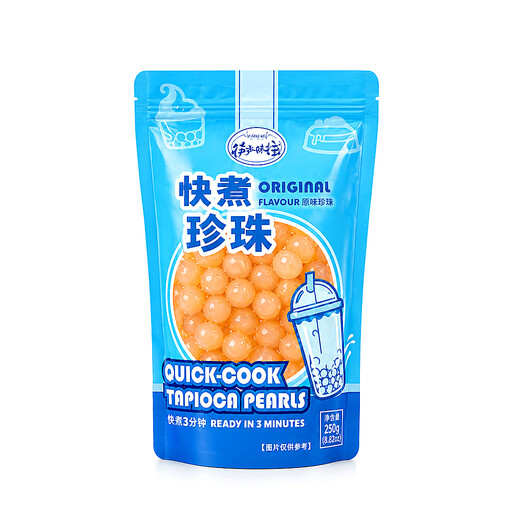
Why This Fits Their Persona: A manageable 250g pack suits first-time UK home cooks who want to make a few milk teas or desserts without committing to a bulk bag.
The product is clearly identified as cooking-required tapioca pearls, helping distinguish it from raw tapioca starch or flour.
Original flavour; suitable for bubble tea, milk tea, shaved ice and sweet drinks; 250g net weight.
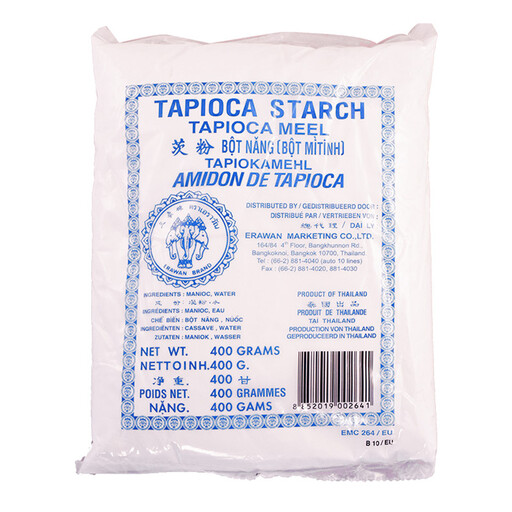
Why This Fits Their Persona: Suitable for cooks who want one clearly labelled starch for sauces, Asian desserts, chewy doughs and gluten-free baking experiments.
It is identified as 100% tapioca starch rather than a ready-made boba product, so expectations are clear before purchase.
400g pack; neutral ingredient profile; useful as a thickener and texture-setting ingredient; no identified allergens listed.

Why This Fits Their Persona: A practical option for preparing brown sugar milk tea, iced drinks and dessert toppings at home.
The stated method includes boiling, resting, rinsing and soaking in syrup, reducing the risk of treating flavoured pearls as no-cook ingredients.
Five-minute cooking stage plus five-minute covered rest; brown sugar flavour; 250g pack. Contains sweetener and preservative, so check the label.
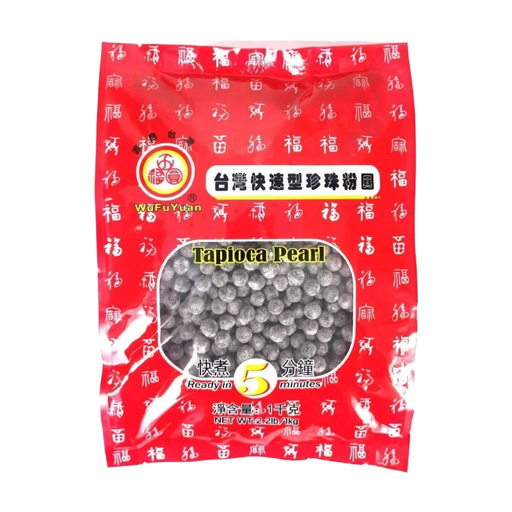
Why This Fits Their Persona: The larger format is suited to frequent home preparation, parties, small foodservice setups or customers who regularly make bubble tea.
The one-kilogram quantity makes the intended high-volume use clear, while the quick-cook format helps with repeat preparation.
1kg net format; Taiwan-style quick-cook pearls; tapioca starch listed as the main ingredient. Contains sulphite, preservative and sweetener.
We have compiled a complete, real-time list of products that fully satisfy these strict selection criteria and UK safety regulations.
Use a large pan of boiling water and stir gently after adding the dry pearls to reduce sticking. Cook for the time shown on the packaging, then check that the centre is no longer chalky. Drain and rinse briefly if instructed, then serve with syrup, milk tea, fruit drinks or desserts.
For starch, make a slurry with cold water before adding it to hot sauces or soups. This helps distribute the powder and can reduce clumping. Tapioca starch thickens and becomes glossy when heated, making it useful in sauces, pie fillings, puddings and some gluten-free recipes.
Tapioca comes from cassava and is naturally gluten-free. However, individual products may contain additional ingredients or carry cross-contact warnings. Check the UK packaging and allergen declaration, especially when buying flavoured boba pearls.
Their texture is generally most enjoyable soon after cooking. If you need to store them briefly, follow the product guidance and keep them covered. Extended refrigeration can make chewy tapioca pearls firmer or change their texture.
Both may be made from tapioca starch, but they are not always the same size or shape. Sago pearls are commonly used in mango sago, coconut desserts, puddings and sweet soups, while larger boba pearls are designed for drinks. Choose according to the recipe and cooking instructions.