
24/7 Customer Support

Free returns

Same-day & Next-day Delivery

Quality Guaranteed

Unlock Your Welcome Offers: FREE Delivery | Up to 80% OFF | Free 30-day JoyPlus trial
Download the APP
Tapioca products cover several very different shopping needs, from bubble tea and Asian desserts to gluten-free baking and plant-based pet care. The main ingredient comes from cassava, but the finished product can vary substantially in texture, cooking time, additives, pack size and intended use.
Before buying, focus on what you need to make rather than relying on phrases such as “authentic texture”, “instant results” or “natural formula”. These descriptions can be useful, but the ingredient list and instructions provide more dependable information.
In UK shops and online listings, tapioca flour and tapioca starch are often used interchangeably. Both are fine powders made from cassava and can be used for thickening, baking and creating chewy textures. However, they are not a direct replacement for prepared tapioca pearls, boba pearls or bubble tea pearls.
Starch is a raw cooking ingredient. Pearls are shaped and processed for boiling, and some varieties contain colourings, flavourings, preservatives or sweeteners. Check the product format before ordering, particularly if you are trying to prepare a drink immediately.
Quick-cook tapioca pearls may reduce boiling time, but they still usually require hot water, resting time or rinsing. For example, one brown sugar pearl product provides instructions to boil for five minutes, cover and rest for another five minutes before rinsing and soaking in syrup.
“No-cook” products are a separate category, but check the label carefully. A product may be ready to use while still containing additives such as thickeners, preservatives, colourings and sweeteners. Never eat raw pearls unless the packaging specifically states that they are ready for consumption without cooking.
A large bag can offer better value for food service buyers or regular bubble tea drinkers, but tapioca products are sensitive to moisture. Once opened, powders can clump and pearls can lose their intended cooking quality if poorly sealed.
Look for a clearly stated net weight, best-before information and storage advice. Store dry starch and dried pearls in an airtight container or tightly sealed original packaging, away from humidity and direct sunlight.
For a simple cooking staple, look for 100% tapioca starch, cassava starch or tapioca flour. Thai Crown Tapioca Flour 400g and Erawan Tapioca Starch 400g are both listed as 100% tapioca starch, while other pearl products contain additional ingredients to influence colour, chewiness, shelf life or flavour.
Tapioca is naturally free from wheat, but “gluten-free” suitability can depend on manufacturing and packaging controls. If you have coeliac disease or a medically diagnosed allergy, check the pack for allergen and cross-contact information rather than assuming that every cassava-based product has the same certification.
For pearls, compare:
Traditional dried pearls generally require cooking until translucent or soft. Quick-cook options can suit busy households, while larger packs may be more practical for parties, cafés or repeated preparation.
Compare the price per 100g rather than the pack price alone. A 250g bag may suit occasional home use, whereas a 1kg pack is more suitable for frequent drinks or food service. Powders are commonly available in 200g to 500g packs, making it easier to test a recipe before buying in bulk.
For cat litter, compare the total weight across the number of bags and confirm whether the formula is mixed. A tapioca cat litter may also contain corn starch, soybean dregs, bentonite, activated carbon, baking soda, enzymes or silica gel particles. These materials affect clumping, odour control and disposal requirements.

Why This Fits Their Persona: A compact pack for UK home cooks who want to try sauces, desserts or Asian recipes without committing to a large quantity.
The listing identifies tapioca starch as the ingredient and states that it is a raw product requiring cooking, avoiding confusion with ready-to-eat pearls.
Fine white powder; suitable for thickening, desserts and Asian snacks; 275g quantity.
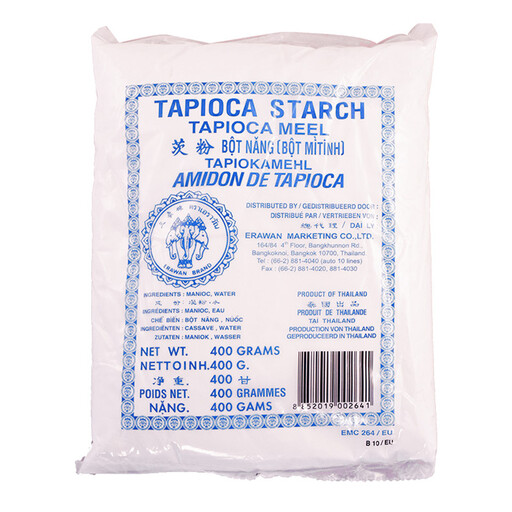
Why This Fits Their Persona: Suits bakers and cooks seeking a clearly specified pantry staple for repeated thickening and gluten-free recipe experiments.
The ingredient is stated as 100% tapioca starch, while the listing also provides storage and raw-ingredient cooking guidance.
400g pack; listed with no allergens; suited to sauces, desserts, dumplings and baking.
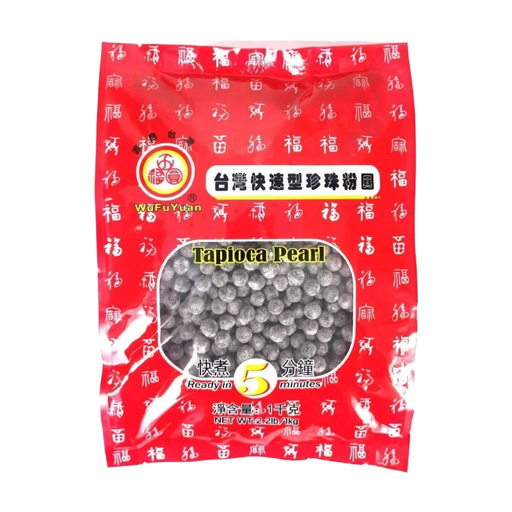
Why This Fits Their Persona: A larger format for frequent bubble tea preparation, gatherings or small food-service use where smaller bags may run out quickly.
It is identified as quick-cook pearls rather than no-cook boba, helping buyers plan for proper preparation.
1kg pack; tapioca starch listed at 39.15%; intended for repeated drink and dessert preparation.
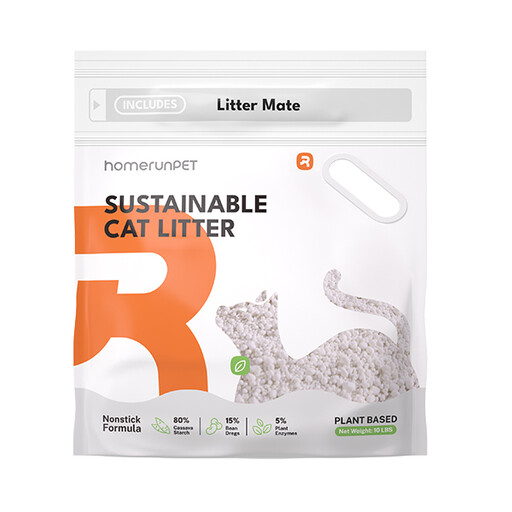
Why This Fits Their Persona: Designed for cat owners comparing plant-based litter formats and seeking a larger household pack.
The materials are disclosed as 80% tapioca starch, 15% bean dregs and 5% enzymes. It is not a food product and should not be ingested.
10lb net weight; mixed particle sizes; unscented plant-based formula as listed.
We have compiled a complete, real-time list of products that fully satisfy these strict selection criteria and UK safety regulations.
For sauces and gravies, mix tapioca starch with a small amount of cold water to make a slurry before adding it to hot liquid. This helps reduce lumps. The powder thickens quickly, so add it gradually and monitor the texture.
For tapioca pearls, use plenty of boiling water and stir gently during cooking to reduce sticking. Follow the pack’s timing rather than assuming all pearls cook alike. After boiling, drain and rinse where instructed, then add syrup if you are preparing brown sugar boba or black sugar tapioca pearls.
For cat litter, keep the tray dry and fill it to the recommended depth, commonly around 2–3 inches. Scoop clumps daily and do not flush used litter, as it may cause plumbing problems. Store unopened bags in a cool, dry place.
Tapioca pearls are made primarily from cassava starch, which does not naturally contain gluten. However, recipes and manufacturing processes differ. Check the packaging for allergen information and any gluten-free statement, especially when buying for someone with coeliac disease.
Cooked pearls generally have their intended chewy texture for a limited period. Follow the pack instructions and keep them covered in syrup if advised. Discard leftovers if they have been stored beyond the product’s recommended serving or storage time.
It can replace cornflour in some sauces, soups, pie fillings and baking recipes, but the result may be clearer, glossier or more elastic. Start with a smaller quantity and prepare a cold-water slurry before heating. Always cook the starch as directed on the packaging.