
24/7 Customer Support

Free returns

Same-day & Next-day Delivery

Quality Guaranteed

Unlock Your Welcome Offers: FREE Delivery | Up to 80% OFF | Free 30-day JoyPlus trial
Download the APP
From the chewy pearls in your favourite bubble tea to the secret ingredient in a perfectly glossy sauce, tapioca products have become a staple in many UK kitchens. Yet, navigating the options can be surprisingly tricky. Whether you're a home cook, a DIY bubble tea fan or even a cat owner, it's easy to fall for marketing hype that leads to disappointing results. As a Joybuy Product Recommendation Officer, my role is to help you sidestep these issues and choose the right product for your needs.
Before you add anything to your basket, let's look at the common pitfalls that catch out many shoppers:
To make an informed choice, it helps to understand what defines a quality tapioca product. Focus on these key factors to ensure you get what you pay for.
The most fundamental distinction is between the raw flour and the processed pearls.
The preparation method is a major dividing line, especially for tapioca pearls.
When selecting tapioca cat litter, performance is paramount. Look for these three indicators:
Based on these practical considerations, here are some product recommendations matched to different user needs.
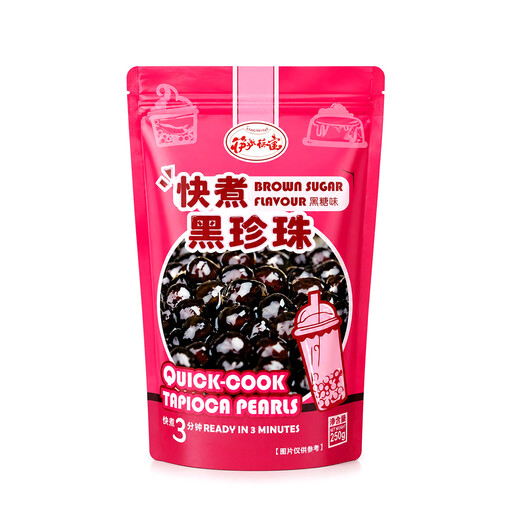
Why This Fits Their Persona: This is for the person who wants to replicate the authentic café-style brown sugar boba experience at home. It requires cooking, which allows for control over the final texture and sweetness, appealing to those who value quality over instant convenience.
It sidesteps the "instant boba disappointment" by being a traditional, cook-from-scratch product. The effort of boiling results in a superior chewy texture that most instant versions cannot match.
Delivers a rich, caramel-like brown sugar aroma and the classic bouncy, chewy texture essential for authentic bubble tea. It's a core ingredient for creating a popular and flavourful drink.
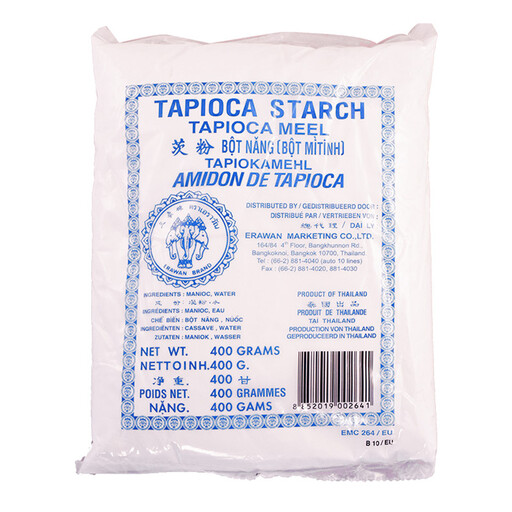
Why This Fits Their Persona: Ideal for the home cook or baker who needs a reliable, multi-purpose ingredient. This pure starch is perfect for thickening sauces, making puddings or as a gluten-free component in baking recipes.
This product directly solves the "starch mix-up" pitfall. By using 100% pure tapioca starch, you get the intended clear, glossy finish and smooth texture that cornflour or other starches cannot replicate.
Its neutral flavour won't alter the taste of your dish. It dissolves easily without lumps and provides a professional-looking glossy sheen to sauces, soups and pie fillings.
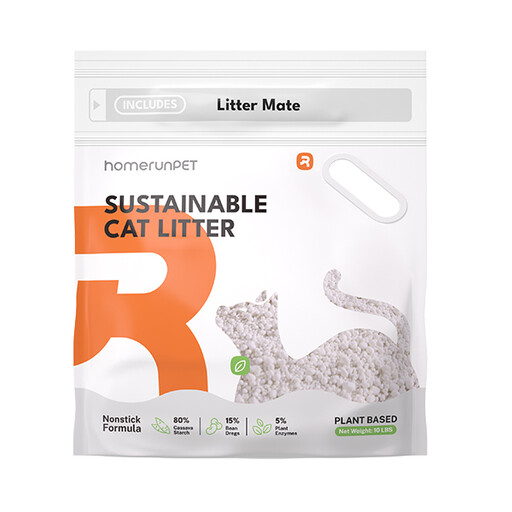
Why This Fits Their Persona: This is for the cat owner seeking a high-performance, plant-based litter that is safe for their pet and keeps the home clean. They prioritise low dust, effective odour control and easy cleanup.
It avoids the "eco cat litter letdown" by focusing on performance. Its formula is designed for instant, tight clumping that doesn't stick to the tray, and its 99.9% dust-free claim directly addresses a major concern with many natural litters.
The formula, containing 80% tapioca, is plant-based and safe. The mix of different particle sizes is engineered for strong clumping and reduced tracking, offering a cleaner experience.
We have compiled a complete, real-time list of products that fully satisfy these strict selection criteria and UK safety regulations.
1. Can I use cornflour instead of tapioca starch? While you can substitute it in some cases, they behave differently. Tapioca starch creates a clear, glossy and gel-like texture, making it ideal for pie fillings and shiny sauces. Cornflour thickens effectively but produces an opaque, cloudy finish. For gluten-free baking, tapioca starch adds a chewiness that cornflour does not. For the intended results, it's always advisable to use the starch specified in the recipe.
2. How do I get the perfect chewy texture for boba pearls? The key is to follow the package instructions carefully, as cooking times can vary. A general rule is to use plenty of boiling water and stir the pearls as you add them to prevent sticking. Once they are cooked through (they will be translucent and soft), drain them and immediately rinse them under cold water to stop the cooking process. Finally, soak them in a simple or brown sugar syrup to add flavour and prevent them from clumping together.
3. Is tapioca cat litter flushable? It is generally not recommended to flush any clumping cat litter, including those made from tapioca. While plant-based materials may seem more biodegradable, the clumps are designed to be highly absorbent and can expand in your pipes, potentially causing serious blockages. It is safer to dispose of used litter in a sealed bag with your household waste.