
24/7 Customer Support

Free returns

Same-day & Next-day Delivery

Quality Guaranteed

Unlock Your Welcome Offers: FREE Delivery | Up to 80% OFF | Free 30-day JoyPlus trial
Download the APP
From creating the perfect chewy texture in gluten-free bakes to achieving that glossy, professional finish on a stir-fry sauce, tapioca starch is a remarkably versatile ingredient. Yet, navigating the options can be surprisingly tricky. Many home cooks in the UK find themselves with a pantry full of different powders, unsure which one to use, or worse, having bought the wrong product entirely. As a Joybuy Product Recommendation Officer, my role is to help you bypass the confusion and select the right product for your kitchen with confidence.
Before you add another packet to your basket, let's look at the common pitfalls that lead to disappointing culinary results and wasted money.
To ensure you get the results you're looking for, focus on these two key factors when making your selection.
Here’s the most important thing to know: tapioca starch is extracted from the root of the cassava plant. For all practical culinary purposes, if a product is labelled "tapioca starch" or "cassava starch," you are looking at the same fine, white, powdery ingredient.
What you must verify is its purity. For maximum versatility and control over your recipes, look for an ingredients list that simply states 100% Tapioca Starch or 100% Cassava Starch. This guarantees you are getting a pure product without unwanted fillers, salt or preservatives, making it a reliable gluten-free flour alternative and a clean-label ingredient.
Not all starches behave the same way under heat. Understanding tapioca starch's unique characteristics will help you decide if it's the right choice for your dish.
Instead of a one-size-fits-all approach, we've matched our recommendations to specific kitchen needs and user profiles.
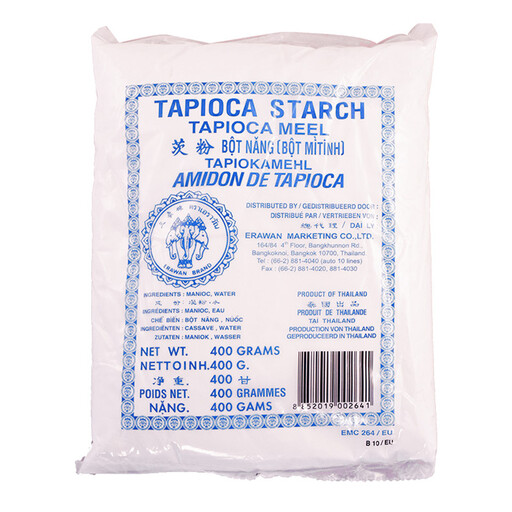
Why This Fits Their Persona: This is a fantastic all-rounder for the UK kitchen pantry. The 400g pack is a practical size for someone who needs a reliable thickener for weekly stir-fries, gravies and the occasional fruit pie filling.
It is 100% pure tapioca starch. This avoids the pitfall of buying a blended product with hidden salt or flavourings, and its clear labelling prevents confusion with cornflour.
Delivers a neutral taste and a clear, glossy finish, making sauces look and feel more professional without altering the intended flavour of the dish.
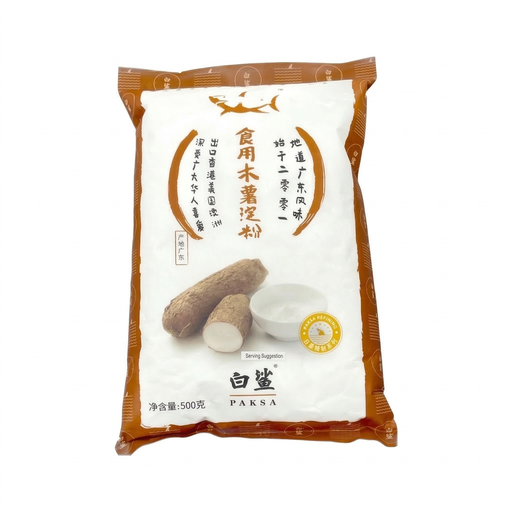
Why This Fits Their Persona: For someone regularly baking gluten-free goods or experimenting with Asian desserts like mochi, a larger pack is more economical. This 500g bag of pure cassava starch is ideal for frequent use.
This is pure starch, not a pre-made gluten-free flour blend, which can contain other starches or gums. It gives the baker full control over their recipe's texture and composition.
Provides the essential chewy, elastic structure that is often missing in gluten-free baking, improving the mouthfeel of everything from flatbreads to cookies.
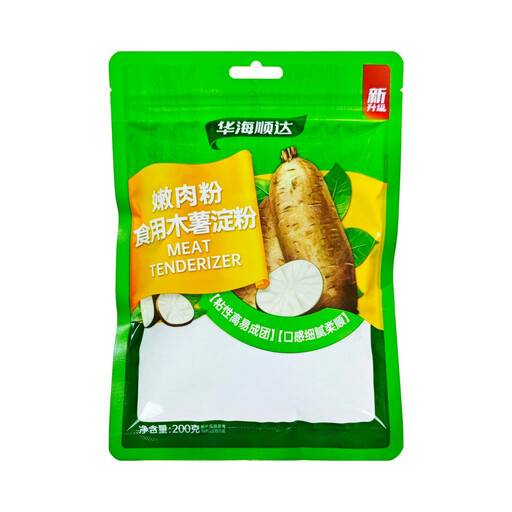
Why This Fits Their Persona: This product is perfect for the cook focused on mastering Chinese cooking techniques like velveting. The smaller 200g pack is convenient for this specific application without taking up excess pantry space.
Despite the name "Tender Meat Powder," the ingredient list confirms it is pure Cassava Starch. This allows you to tenderise meat effectively without unintentionally adding the salt or MSG found in many seasoning blends.
It's perfectly suited for creating a silky coating on meat, locking in moisture during high-heat cooking to achieve that restaurant-quality, tender texture in home-made stir-fries.
We have compiled a complete, real-time list of products that fully satisfy these strict selection criteria and UK safety regulations.
Not as a direct 1:1 replacement. Tapioca starch has roughly twice the thickening power of cornflour, so you should start by using half the amount your recipe calls for. It also creates a very different result: tapioca gives a clear, glossy finish, while cornflour is more opaque and matte. It's a great cornflour substitute for quick-cooking sauces, but it can become stringy if overcooked and doesn't hold up well to freezing.
No, they are different products from the same plant. Tapioca starch is the pure starch extracted from the cassava root. Cassava flour, on the other hand, is made by grating and drying the entire root. Cassava flour contains more fibre, has a slightly grainier texture and a more noticeable flavour. They are not interchangeable in most recipes.
This simple technique is known as "velveting." For approximately 250g of sliced chicken, pork or beef, create a slurry by mixing 1 tablespoon of tapioca starch with 2 tablespoons of a liquid like water, soy sauce or a whisked egg white. Toss the meat in this mixture until it's evenly coated. Let it marinate for at least 15 minutes before stir-frying. This process creates a protective coating that keeps the meat juicy and incredibly tender.