
24/7 Customer Support

Free returns

Same-day & Next-day Delivery

Quality Guaranteed

Unlock Your Welcome Offers: FREE Delivery | Up to 80% OFF | Free 30-day JoyPlus trial
Download the APP
Choosing between Tapo security cameras can seem straightforward until you compare resolution, storage, connectivity and power requirements. A camera designed for a living room may not cope with rain, while an outdoor model may be unnecessarily expensive for watching a pet.
The right choice depends on where the camera will be installed, what you need to identify in the footage and how much maintenance you are prepared to manage.
A 4K security camera records more pixels than a 2K or 1080p model, but resolution alone does not determine whether footage will be useful. Lens quality, lighting, viewing angle and camera placement also matter.
For a compact room, a 1080p indoor Wi-Fi security camera may provide sufficient detail. For a driveway or larger garden, 2K or 4K can make it easier to inspect distant vehicles or visitors. Digital zoom enlarges an image, but it does not create the same level of detail as recording at a higher native resolution.
Most wireless security cameras still need either a mains connection or regular battery charging. A solar-powered security camera reduces the need for manual charging, but its panel needs a suitable position with useful daylight. Shade from walls, trees and neighbouring buildings can affect charging.
Check whether the camera is mains powered, battery powered or supplied as a solar kit. Also consider cable routing: a solar panel may need to be mounted separately from the camera for better exposure.
Cloud storage can be convenient, but it may involve an ongoing subscription. If you prefer a one-off storage solution, look for a camera with local storage and check the supported microSD capacity.
A memory card is not always included. You should also review retention settings, encryption options and how easily recordings can be downloaded if an incident occurs.
Colour night vision can provide more context than conventional black-and-white footage when there is sufficient ambient light or a built-in spotlight. Starlight sensors and spotlights may improve low-light visibility, but performance will still depend on the installation environment.
A fixed outdoor security camera records one direction, so positioning is particularly important. A pan and tilt security camera can cover a wider area remotely.
For example, some Tapo models offer 360° horizontal coverage, while vertical movement varies by model. Pan and tilt can help monitor a garden or room, but it may not record every direction simultaneously. For high-risk areas, check whether the model supports scheduled patrols, motion tracking or multiple viewpoints.
For outdoor installation, check the IP rating rather than relying on general terms such as “weatherproof”. An IP65 rating indicates protection against dust and water jets from certain directions; IP66 provides a higher level of protection against powerful water jets. These ratings do not mean the mains adapter or exposed connections can be left in standing water.
A mains-powered camera can provide continuous operation without battery planning, but requires a safe nearby socket and protected cable. Solar kits offer more flexible placement, although the panel should be installed securely and positioned for practical daylight exposure.
AI motion detection cameras can distinguish between categories such as people, pets and vehicles, potentially reducing notifications caused by passing wildlife or moving branches. Activity zones and sensitivity controls are useful for excluding pavements, roads or neighbouring areas.
Useful features may include two-way audio, a sound and light alarm, Alexa or Google Assistant compatibility and a physical privacy mode. In the UK, position cameras carefully and avoid unnecessarily recording neighbours’ property or public areas. Review access permissions before sharing footage with household members.
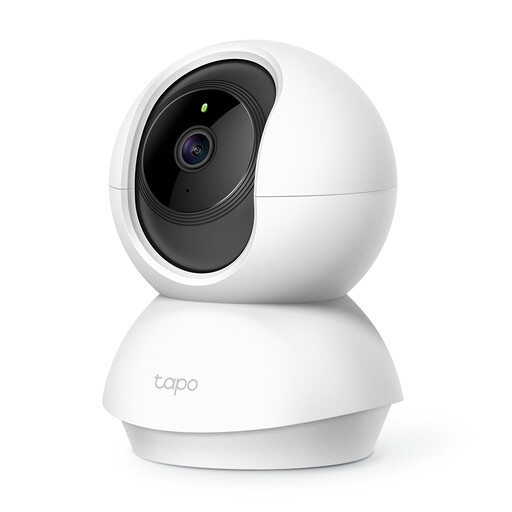
Why This Fits Their Persona: A practical indoor option for renters, flats, pet owners or parents who want broad room coverage without installing an outdoor system.
Its 1080p resolution is clearly positioned for indoor use, while privacy mode helps stop recording when monitoring is not wanted.
360° horizontal and 114° vertical movement, baby crying detection, two-way audio and microSD support up to 512GB.
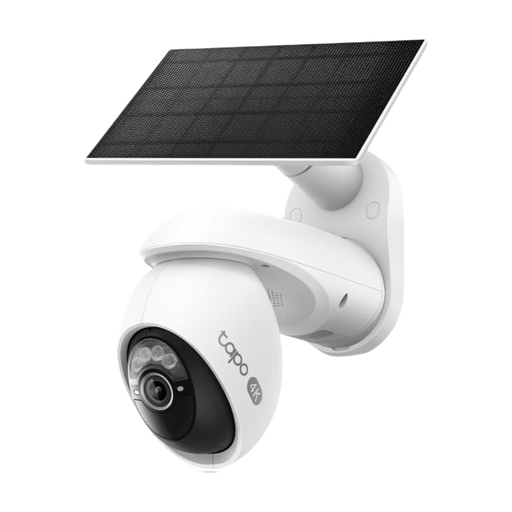
Why This Fits Their Persona: Suitable for property owners seeking high-resolution outdoor monitoring with flexible installation and reduced dependence on mains wiring.
The separate or combined solar-panel installation options let you prioritise camera positioning instead of placing it only beside a socket.
4K 8MP video, 360° coverage, dual-band Wi-Fi, colour night vision, AI detection for people, pets and vehicles and IP65 protection.
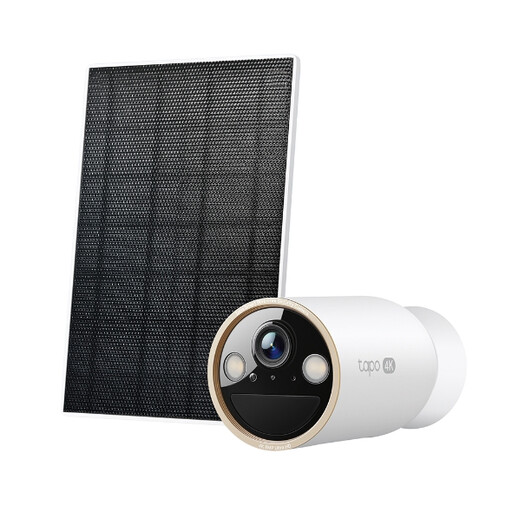
Why This Fits Their Persona: A strong match for driveways, gardens and outbuildings where wire-free placement, detailed footage and long battery intervals are priorities.
The kit includes a solar panel, activity zones and local storage options, helping reduce charging interruptions, unwanted alerts and recurring storage dependence.
4K 8MP resolution, 18x digital zoom, IP66 rating, dual-band Wi-Fi, AI detection and a listed battery duration of up to 200 days on one charge.
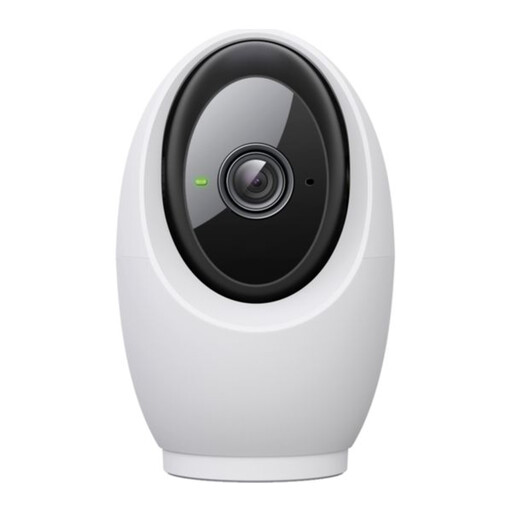
Why This Fits Their Persona: Designed for households monitoring children, pets or shared indoor spaces where detailed footage and adjustable privacy controls are important.
Physical privacy mode blocks the lens, while privacy zones and local storage provide more control over what is recorded and retained.
4K 8MP video, 360° horizontal and 116° vertical movement, face recognition, AI tracking, baby crying detection and two-way audio.
We have compiled a complete, real-time list of products that fully satisfy these strict selection criteria and UK safety regulations.
Most Tapo models use Wi-Fi for app access, alerts and live viewing. Some outdoor models, including the Tapo C500 and C320WS, also support Ethernet, which may be useful where Wi-Fi coverage is weak. Check the individual product specifications before installation.
Several models support local microSD recording, although the card is usually sold separately. Capacities vary by product, with some supporting up to 512GB. Cloud features may require a Tapo Care subscription, so compare local and cloud storage before buying.
Mains-powered models add a small amount to household electricity use, while battery and solar-powered cameras reduce the need for permanent mains power. Solar performance depends on panel placement and daylight. You should also account for the optional cost of a microSD card, cloud storage and any replacement accessories.