Choose a tea bag labelled naturally caffeine-free if avoiding caffeine matters most, then check whether you prefer plain chamomile or a blend of fruit, spices and other botanicals. Decaffeinated black tea is the closer choice for a familiar tea-and-milk drink, but decaf is not necessarily caffeine-free. If you are pregnant, breastfeeding, take medicines or have a relevant health condition, check a botanical blend's ingredients with a pharmacist or clinician rather than assuming it is suitable.
Who are these tea bags for?
People changing their evening brew
If you want a hot drink without choosing regular caffeinated tea or coffee, start with an infusion explicitly labelled naturally caffeine-free. Decaf black tea is a different option when some residual caffeine is acceptable.
Black-tea drinkers
If the taste of conventional tea, perhaps with milk, matters more than avoiding every trace of caffeine, consider decaffeinated black tea or a decaf-based bedtime blend. Twinings notes that UK decaffeinated tea can retain caffeine.
People checking botanical ingredients carefully
A blend with several herbs needs a closer look if you are pregnant, breastfeeding, take medicines or have a relevant health condition. Read the current ingredient list and ask a pharmacist or clinician about suitability where needed.
What should you check before choosing?
Decide how strictly you want to avoid caffeine, then choose a flavour and check the ingredients of the exact blend. A tea bag and a machine-compatible coffee pod are separate formats.
| Priority |
What to check |
Your needs |
| Caffeine |
Look for an explicit naturally caffeine-free statement if that is your priority. Do not treat “decaf” as the same claim; Twinings says UK decaffeinated teas typically contain no more than 0.2% caffeine. |
I want an evening drink without relying on a decaf label to mean caffeine-free. |
| Flavour |
Compare a plain floral infusion, a fruit-and-spice blend and decaffeinated black tea. Check the ingredients of flavoured blends rather than judging by a bedtime-themed name. |
A familiar black-tea taste matters to me, or I would rather have a floral or spiced drink. |
| Botanicals |
Read the full ingredient list, particularly for multi-herb blends. If pregnancy, breastfeeding, medicines or a health condition affects your choice, ask a pharmacist or clinician about the particular ingredients. |
I need to assess the actual blend, not assume that “natural” or caffeine-free means suitable for me. |
| Preparation |
Follow the directions for the particular tea bag, including its water quantity and brewing time. Treat sleep-related product wording as a description of the blend, not evidence that it treats insomnia. |
I want a repeatable hot drink for my evening routine, without expecting a tea to treat a sleep problem. |
| Format |
Check that you are buying tea bags if you intend to brew in hot water. If you mean coffee capsules, check your machine's compatibility and that coffee product's caffeine statement separately. |
I do not want to order a pod when I meant a tea bag, or the other way round. |
Common buying mistakes
-
Assuming decaf means caffeine-free
Decaffeinated black tea can retain caffeine. Twinings says UK decaffeinated teas typically contain no more than 0.2% caffeine, which is a different claim from naturally caffeine-free.
If avoiding caffeine is the priority, look for an explicit naturally caffeine-free statement on the particular tea and check its ingredients.
-
Reading “sleep” as a treatment claim
A bedtime-themed name does not establish that a tea treats insomnia. The NHS says herbal medicines are not tested in the same way as standard medicines.
Choose a drink for its caffeine statement, flavour and ingredients. Seek appropriate professional advice about persistent sleep difficulties rather than relying on a tea.
-
Overlooking herbs in a caffeine-free blend
A caffeine-free blend can still contain several botanicals, including ingredients that call for individual suitability checks. NHS pregnancy guidance specifically advises avoiding teas containing liquorice root.
Read the current pack before buying. If you are pregnant, breastfeeding, take medicines or have a relevant health condition, ask a pharmacist or clinician about the blend.
-
Skipping the exact pack details
A similar product name may not tell you which pack size or blend you are selecting.
Check the bag count, ingredient list, caffeine statement and current product details before checkout.
Brand references
Twinings
Twinings offers both naturally caffeine-free infusions and decaffeinated tea. Its Superblends Sleep product is a botanical infusion, while its decaf tea is a different caffeine route.
- Twinings identifies Superblends Sleep as naturally caffeine-free and provides an ingredient list for the blend.
- Its UK decaffeinated teas can retain caffeine, according to Twinings. A botanical product name does not establish a treatment effect.
Yorkshire Tea
Yorkshire Tea presents decaf as an option for bedtime drinking. Its Bedtime Brew has a decaffeinated black-tea base with lemon balm, lemongrass, nutmeg and vanilla flavouring.
- The black-tea base offers an alternative to a wholly herbal infusion for people seeking a conventional tea style.
- Decaf should not be treated as a caffeine-free claim; the added botanicals also warrant an ingredient check.
Clipper
Clipper illustrates the difference between a single-herb infusion and a multi-botanical blend. Its Organic Chamomile Infusion lists chamomile as its only ingredient; Organic Sleep Easy includes chamomile, rooibos, lemon balm and valerian root.
- The chamomile-only ingredient list makes that particular infusion straightforward to compare with blended options.
- Sleep Easy's valerian-containing formula calls for closer individual suitability checks; its name is not proof that it treats sleep problems.
Tea-bag options on Joybuy
These tea bags include botanical infusions for people looking to avoid caffeine and a decaffeinated black tea for those who prefer a conventional tea style. Compare the exact ingredients and caffeine wording of the pack you choose.
 No image available
Twinings Superblends Sleep 20 tea bags, 30g
For a spiced botanical drink rather than black tea, Twinings identifies this blend as naturally caffeine-free and lists ingredients including apple, camomile and passionflower. Check whether its botanicals are suitable for you; the sleep-themed name is not evidence that it treats insomnia.
View on Joybuy
 No image available
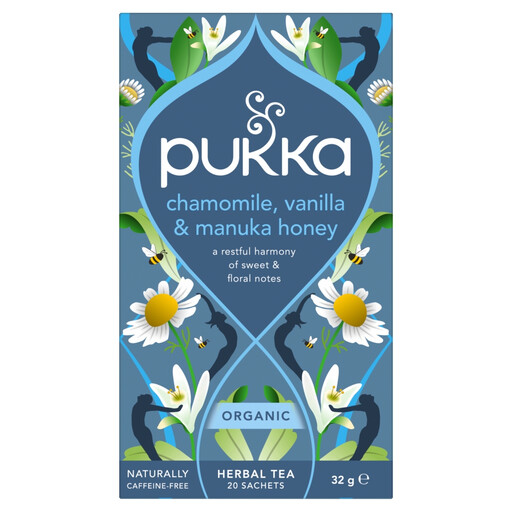
Pukka Chamomile Vanilla & Manuka Honey 20 herbal tea sachets, 32g
This is a herbal option for someone who prefers a sweet, floral blend; the product description labels it naturally caffeine-free. Its listed ingredients include liquorice root. NHS pregnancy guidance advises avoiding teas containing liquorice root, so check the current pack if that guidance applies to you.
View on Joybuy
 No image available
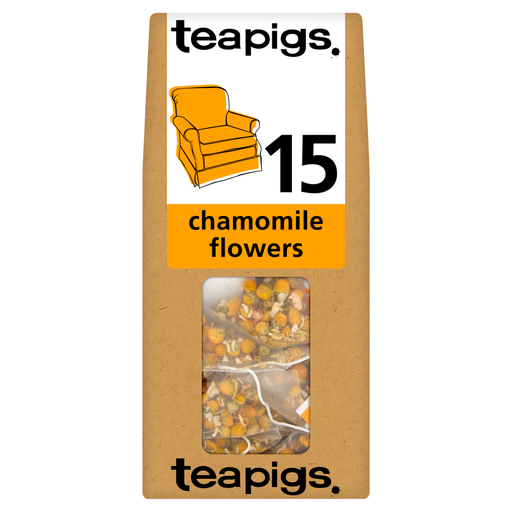
Teapigs Chamomile Flowers 15 tea bags, 180g
Consider this for a plain floral drink rather than a sweet or spiced blend. The product information describes it as caffeine-free and lists chamomile flowers as the only ingredient; check the current pack's caffeine statement if strict avoidance matters to you.
View on Joybuy
 No image available
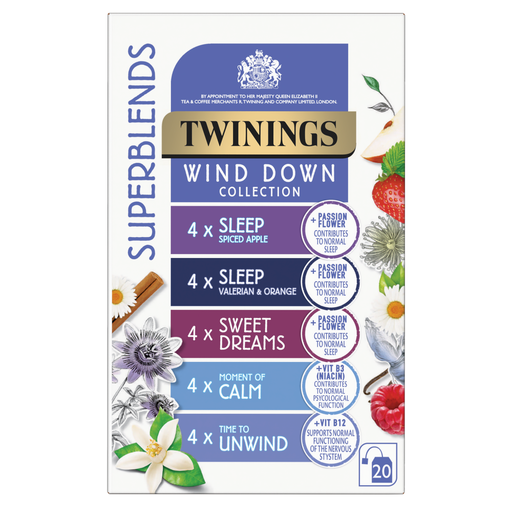
Twinings Superblends Wind Down Collection 20 tea bags, 33.2g
This collection offers a choice of herbal blends and is described as naturally caffeine-free. The formulations differ, including one with valerian, so check which varieties and quantities are in the current pack and assess each blend's ingredients separately.
View on Joybuy
 No image available
Brew Tea Co CO2 Decaffeinated Tea 40 tea bags, 200g
For a conventional black-tea style, this product is described as decaffeinated Ceylon tea in pyramid bags. Decaf does not mean caffeine-free: check the product-specific caffeine information if avoiding residual caffeine is essential to your choice.
View on Joybuy
Questions about bedtime tea bags
Should I choose a naturally caffeine-free infusion or decaf tea?
Choose an infusion explicitly labelled naturally caffeine-free if avoiding caffeine is your priority. Choose decaffeinated black tea if its familiar taste matters more and residual caffeine is acceptable; Twinings says UK decaffeinated teas typically contain no more than 0.2% caffeine.
Are tea bags the same as coffee pods?
No. Tea bags are brewed in hot water, while coffee pods are a separate machine-compatible format. If you mean a coffee capsule, check the machine compatibility and that capsule's caffeine statement rather than applying tea-bag descriptions to it.
Does a “sleep” tea treat insomnia?
A sleep-themed name is not evidence that a tea treats insomnia. The NHS says herbal medicines are not tested in the same way as standard medicines. Assess a tea by its caffeine statement, flavour and ingredients, and seek professional advice about persistent sleep difficulties.
What if I am pregnant or take medicines?
Do not assume a botanical blend is suitable because it is natural or caffeine-free. Check the exact ingredients with a pharmacist or clinician if you are pregnant, breastfeeding or take medicines. NHS pregnancy guidance advises avoiding teas containing liquorice root.
How should I brew a bedtime tea bag?
Follow the directions for the specific product, including its water quantity and brewing time. An herbal infusion and a decaffeinated black tea need not have the same preparation instructions, so check the pack rather than relying on a bedtime-themed name.


