
24/7 Customer Support

Free returns

Same-day & Next-day Delivery

Quality Guaranteed

Unlock Your Welcome Offers: FREE Delivery | Up to 80% OFF | Free 30-day JoyPlus trial
Download the APP
Tea bags are convenient, familiar and easy to store, but choosing the right box can be less straightforward than it appears. A low shelf price may hide a small pack, while terms such as “wellness”, “natural” or “eco-friendly” do not always tell you how the tea will taste or how the bag should be disposed of.
Whether you need everyday black tea bags, relaxing chamomile tea, refreshing fruit tea bags or a speciality green blend, a few practical checks can help you avoid waste and buy a product that suits your routine.
A box of 20 tea bags may look inexpensive, but it will not necessarily offer better value than a larger pack. Compare the price per bag, particularly if several people in your household drink tea every day. A pack of 80 tea bags can be more practical for regular breakfast use, while a 15- or 20-bag box may be suitable for occasional or speciality flavours.
Also check whether bags are individually wrapped. Wrapping can help preserve aroma and prevent flavour transfer in a cupboard, but it may add packaging and affect the overall cost.
Most herbal infusions are naturally caffeine-free, but ingredients still matter. Chamomile, liquorice root, fennel, valerian, passionflower and other botanicals can have different suitability considerations. Check the complete ingredient list and any allergen information rather than relying only on front-of-pack wording.
People who are pregnant, taking medication or managing a health condition should seek appropriate professional advice before regularly consuming botanical blends. Avoid treating wellness tea as a medical product: its main purpose is flavour and refreshment.
“Plastic-free”, “plant-based” and “compostable” can refer to different parts of the product. The tea bag, string, tag, wrapper and outer box may use separate materials, and home compostable is not the same as recyclable or suitable for every council food-waste collection.
Read the packaging instructions and check your local council’s disposal guidance. If a product does not clearly explain its disposal route, avoid making assumptions about its environmental credentials.
If you are sensitive to caffeine, do not assume that every green or “light” tea is caffeine-free. Choose a product explicitly labelled caffeine-free where that is important.
An ingredient list helps distinguish a tea led by a named botanical from one that simply uses flavouring. For example, Pukka Chamomile Vanilla & Manuka Honey lists chamomile flower at 68.5%, alongside fennel seed and liquorice root. Twinings Lemon Green Tea lists green tea with natural lemon flavouring.
Look for the following details:
Some loose-leaf style tea bags use larger infusers that allow visible leaves or flowers more room to expand. This can be useful if you prefer a stronger aroma or a less compressed format, but the description should clearly explain the construction.
For value comparisons, record:
Store tea in a cool, dry cupboard away from strong odours. Tea absorbs surrounding aromas, so avoid keeping it beside coffee, spices or cleaning products.
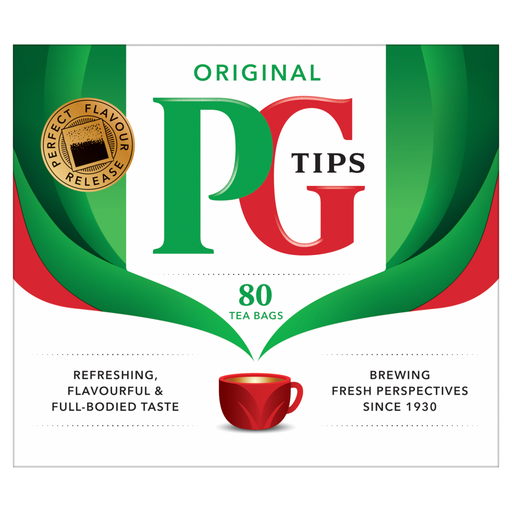
Why This Fits Their Persona: An 80-bag format suits UK households that brew several cups each day and want a familiar black tea for breakfast or visitors.
The pack quantity is clearly stated, making it easier to compare cost per bag instead of judging by the box price alone.
80 bags; 100% black tea; suitable for serving with or without milk.
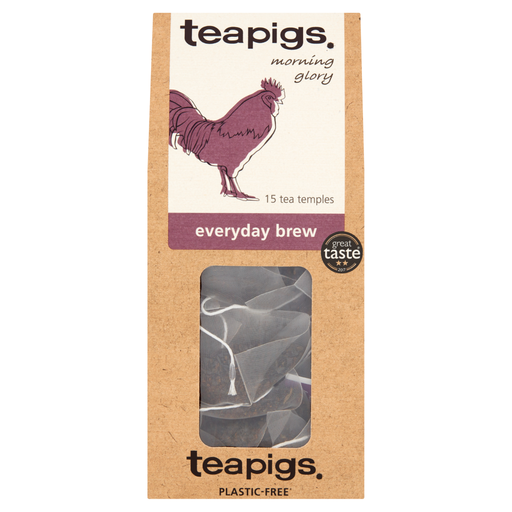
Why This Fits Their Persona: Suitable for shoppers who prioritise a larger-leaf format and a more distinctive everyday black tea for quiet breaks or afternoon service.
The product description identifies whole black tea leaves and a spacious, plastic-free infuser, rather than leaving the bag format unclear.
Black tea ingredients; 15 larger-leaf infusers; caffeine information is stated on the product details.
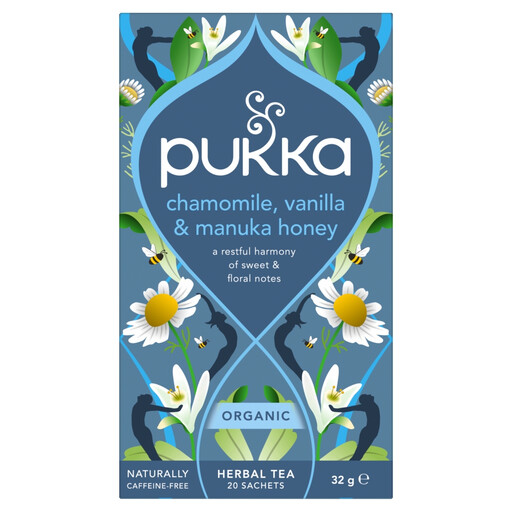
Why This Fits Their Persona: A practical evening option for shoppers seeking a floral, vanilla-style herbal infusion without caffeine.
The ingredients and caffeine status are clearly provided, so buyers can assess the blend rather than relying on vague relaxation language.
20 individually wrapped bags; naturally caffeine-free; plant-based, home-compostable bags stated in the product information.
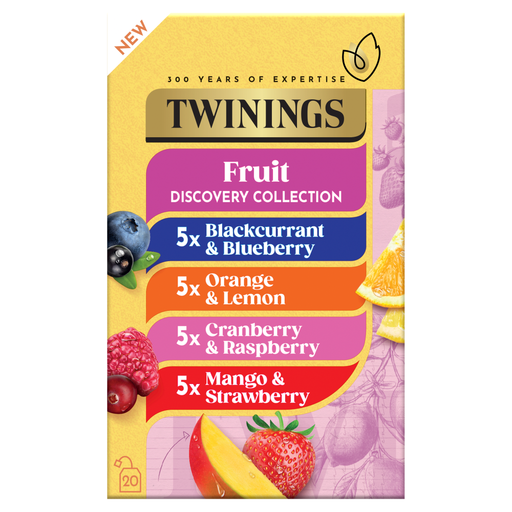
Why This Fits Their Persona: A useful choice for households that want several fruit flavours rather than one large box of a single infusion.
The box specifies four named blends, helping you understand the variety before buying instead of guessing from the front design.
20 bags; four fruit and herbal combinations; ingredients and allergen information are listed.
Use freshly boiled water for black tea and follow the pack’s suggested steeping time. Green tea can become bitter if over-brewed, so follow the stated instructions rather than leaving the bag in the cup indefinitely. Herbal infusions often benefit from a longer steep, but the product label should take priority.
For iced drinks, check whether the tea is suitable for cold brewing. Some fruit infusions and green teas can be brewed hot and cooled, while others are intended only for hot water. Keep opened boxes sealed and dry, and rotate older packs before opening new ones.
We have compiled a complete, real-time list of products that fully satisfy these strict selection criteria and UK safety regulations.
Many herbal infusions, including chamomile and fruit blends, are naturally caffeine-free. However, recipes vary, so check the ingredients and product description. Green tea, black tea and blends containing either generally contain caffeine.
Tea bags usually remain usable until the printed best-before date when stored in a cool, dry place. They may lose aroma or taste if exposed to moisture, heat or strong odours. A best-before date concerns quality rather than an automatic safety cut-off, but always follow the packaging instructions.
Not necessarily. Compostable claims can refer to home or industrial composting, and local council rules differ. Check the packaging and your council’s guidance before placing a used bag in food waste. If the disposal route is unclear, use general waste according to local instructions.