
24/7 Customer Support

Free returns

Same-day & Next-day Delivery

Quality Guaranteed

Unlock Your Welcome Offers: FREE Delivery | Up to 80% OFF | Free 30-day JoyPlus trial
Download the APP
For many UK households, tea bags are a cupboard essential rather than an occasional purchase. The challenge is choosing a pack that matches your drinking habits without paying for unused stock, buying too little or selecting a blend that does not suit everyone.
Whether you are comparing Yorkshire Tea bags, Tetley tea bags, PG Tips tea bags or decaffeinated tea bags, a few practical checks can prevent common purchasing mistakes.
A large box can look economical, but the total value depends on the number of tea bags, net weight and price per bag. A 240-pack may suit a busy household, but it can be unnecessary for a single drinker or a small office. Conversely, repeatedly buying 80 tea bags may cost more per serving over time.
Compare the cost per tea bag where possible, while also considering storage space and the product’s best-before date.
Most standard British tea bags contain black tea and naturally occurring caffeine. If you want a drink for later in the evening or are specifically reducing caffeine, look for wording such as “decaffeinated” on the front of the packaging. Do not assume that a lighter-tasting or weaker brew is caffeine-free.
Decaffeinated tea bags can be useful for households with different preferences, but they may have a different flavour profile from the original blend.
Pyramid-shaped bags, sustainability statements and descriptions such as “full-bodied” can influence a purchase, but they do not replace the basics: ingredients, quantity, brewing preference and storage instructions. A bag’s shape may affect how it infuses, but taste remains personal and depends on water, brewing time, milk and sugar.
Look for objective information on the product listing and packaging rather than relying on broad marketing language.
For a traditional cup, check that the product is made with black tea. The featured products listed here use black tea as their main ingredient, with some options marked as suitable for vegetarians and vegans.
If you have allergies or dietary requirements, review the packaging information carefully. Even where no declarable allergens are listed, manufacturers may include precautionary statements about possible traces or shared facilities.
Pack size is one of the most important decisions:
As a simple guide, a household using six tea bags each day would use around 180 bags in a month. Actual consumption varies, especially where tea is served to visitors or shared in an office.
Standard black tea bags are not the same as decaffeinated tea bags. For a caffeine-free alternative, select a clearly labelled decaffeinated product, such as the 80-bag Tetley option below.
Tea infusions are generally low in energy before adding milk or sugar, but check the product’s nutritional panel for the manufacturer’s serving information. Store tea bags in a cool, dry place away from direct sunlight, and check the best-before information on the packaging before opening a large box.
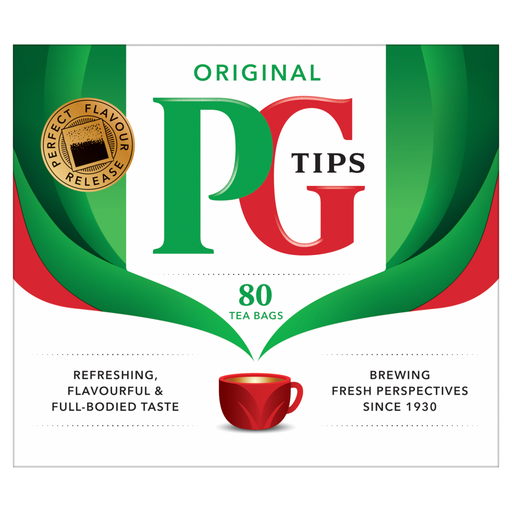
Why This Fits Their Persona: An 80-bag pack is a manageable starting point for smaller UK households, occasional drinkers or shoppers who want everyday black tea without committing to a family-size box.
The clearly stated 80-bag quantity makes it easier to avoid overbuying or storing more tea than your household can use comfortably.
Contains black tea; the product information also identifies the bags as Rainforest Alliance Certified.
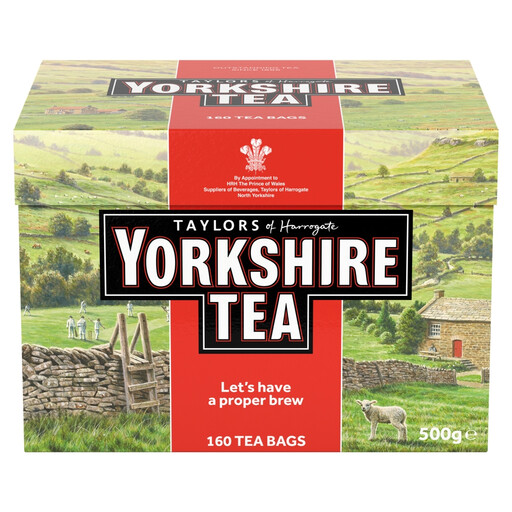
Why This Fits Their Persona: This middle-sized pack suits regular drinkers who want a familiar British tea option while keeping stock at a practical level for a kitchen cupboard.
The 160-bag format offers more supply than a starter pack without requiring the storage space of a 240-bag box.
Contains black tea and is listed as suitable for vegetarians and vegans; the net quantity is 500g.

Why This Fits Their Persona: A useful choice for households, offices or guests who want a decaffeinated option alongside standard British tea.
The product is explicitly labelled decaffeinated, helping prevent confusion between a mild everyday blend and a caffeine-reduced choice.
Provides 80 decaffeinated tea bags in a 250g pack; the listed ingredient is black tea.
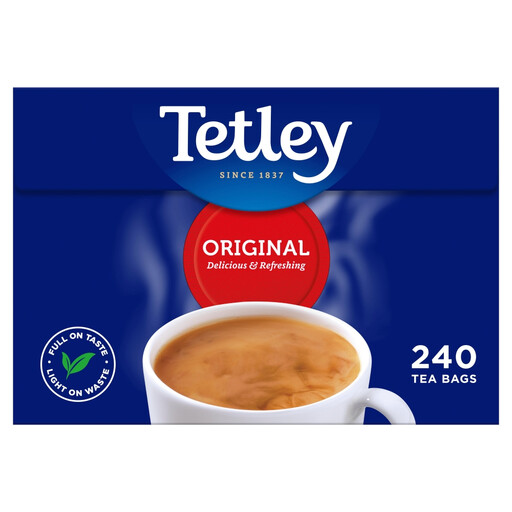
Why This Fits Their Persona: The family-size format is suited to busy homes, workplace kitchens, guest refreshment and hospitality settings where tea is prepared throughout the day.
The 240-bag count is clearly stated, making it easier to plan supply and compare the pack with other bulk tea bags on a per-bag basis.
Contains 240 tea bags with a 750g net quantity; the product information lists black tea and no declarable allergens.
We have compiled a complete, real-time list of products that fully satisfy these strict selection criteria and UK safety regulations.
Use freshly boiled water and follow the brewing guidance on the packaging. A longer infusion generally produces a stronger cup, while adding milk can soften the flavour. If several people share a kitchen, storing standard and decaffeinated tea bags in separate, clearly identified containers can prevent mix-ups.
Keep opened packs sealed or in an airtight container where practical. Moisture, heat and strong smells can affect the tea’s aroma, so avoid storing tea bags beside the kettle, cooker or strongly scented foods.
For regular family use, 160 or 240 tea bags can reduce the need for frequent reordering. A smaller 80-bag pack may be more suitable if only one or two people drink tea or if you are trying a new blend.
Decaffeinated tea bags are processed to remove most of the caffeine, but “decaffeinated” should not automatically be interpreted as absolutely caffeine-free. Check the product packaging if you need specific information about caffeine content.
Tea bags should be kept in a cool, dry place away from direct sunlight and used in line with the best-before information on the packaging. Larger packs offer convenience for frequent drinkers, but buy a quantity that your household can store properly and use comfortably.