
24/7 Customer Support

Free returns

Same-day & Next-day Delivery

Quality Guaranteed

Unlock Your Welcome Offers: FREE Delivery | Up to 80% OFF | Free 30-day JoyPlus trial
Download the APP
Tea bags are a cupboard essential for many UK homes, offices and shared kitchens. However, choosing the right pack involves more than picking a familiar logo. The number of bags, tea style, decaffeination, water type and storage requirements can all affect value and flavour.
Whether you are comparing black tea bags, Yorkshire Tea bags, Tetley tea bags, PG Tips tea bags or Twinings English Breakfast tea, a few practical checks can help you avoid paying for features you will not use.
A large box may look economical, but the pack size and tea bag count do not always follow the same pattern. Compare the price per tea bag by dividing the total price by the number of bags. This is particularly useful when comparing 80-bag boxes with large tea bag packs containing 160, 240 or 400 bags.
A family-size tea bag pack can suit a busy household, but it may not be sensible for occasional drinkers if the tea loses freshness before it is used.
English breakfast tea bags, everyday tea and stronger breakfast blends can differ in body, aroma and aftertaste. Some drinkers prefer a balanced cup with milk, while others want a more pronounced brew for early mornings.
Pack descriptions can use terms such as “refreshing”, “rich” or “full-bodied”, but these are not standardised measurements. Check the ingredients, brewing guidance and product format rather than relying on promotional language alone.
If you avoid caffeine, standard black tea bags are not an equivalent substitute for decaf tea bags. Check that the product is specifically labelled as decaffeinated.
Water quality can also influence the finished cup. Households in hard-water areas may find that an ordinary blend tastes different from one formulated for those conditions. Tea bags for hard water are worth considering if your usual brew tastes flat or develops a noticeable film when made with tap water.
Most everyday UK tea bags contain black tea, with no declarable allergens listed on many products. Nevertheless, always check the current packaging, particularly if your household has food sensitivities.
Some products use certified tea ingredients or provide sourcing information. These details may be important if responsible sourcing is part of your purchasing decision, but they should be considered alongside flavour, pack size and price.
Tea bags are commonly sold in counts such as 80, 160, 240 and 400. Net weight can help you compare packs, although the number of bags is usually the most practical measure for household budgeting.
For regular drinkers, a 240-bag or 400-bag pack reduces the need for frequent reordering. Smaller packs may be more suitable for a single-person household, a workplace trial or anyone who likes to rotate between several blends.
Tea should generally be kept in a cool, dry place, away from direct sunlight, moisture and strong odours. Tea readily absorbs surrounding smells, so storing an opened box beside spices or coffee may affect its aroma.
Brewing instructions vary, but one tea bag in freshly boiled water for around three to five minutes is a useful starting point for many black tea blends. Remove the bag when the desired strength is reached, then add milk or sugar according to preference.
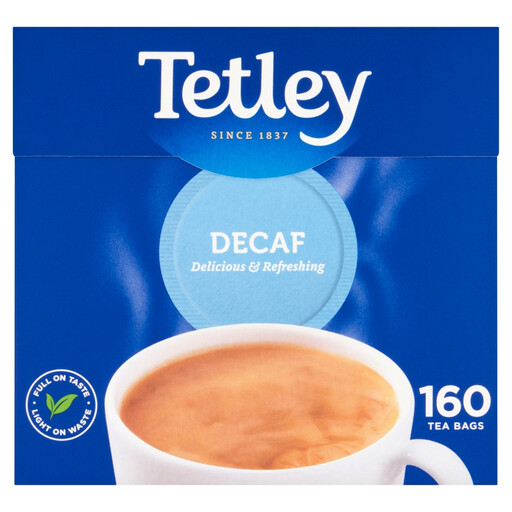
Why This Fits Their Persona: A practical option for households wanting a sizeable supply of decaf tea bags for regular cups, without switching to a different drink format.
The product is clearly identified as decaffeinated, helping avoid accidentally buying standard black tea when caffeine content is a consideration.
160 tea bags; 500g net weight; decaffeinated black tea; no listed allergens in the supplied product information.
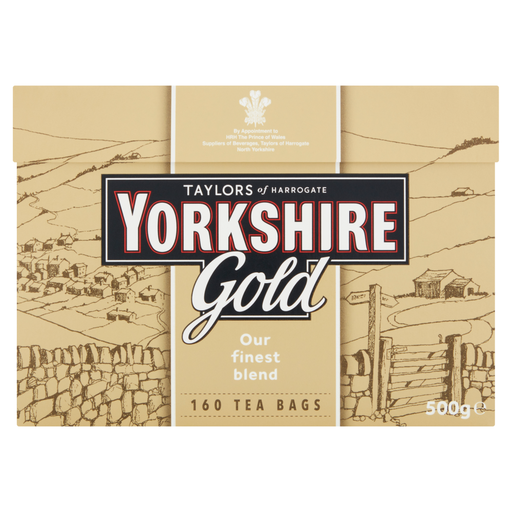
Why This Fits Their Persona: Suited to drinkers who want an established everyday black tea blend with clear brewing guidance and a substantial household pack.
The 160-bag count is stated clearly, making it easier to compare with similarly marketed large packs instead of judging by box appearance.
160 tea bags; 500g net quantity; supplied brewing recommendation of three to five minutes; made in the UK according to the supplied details.
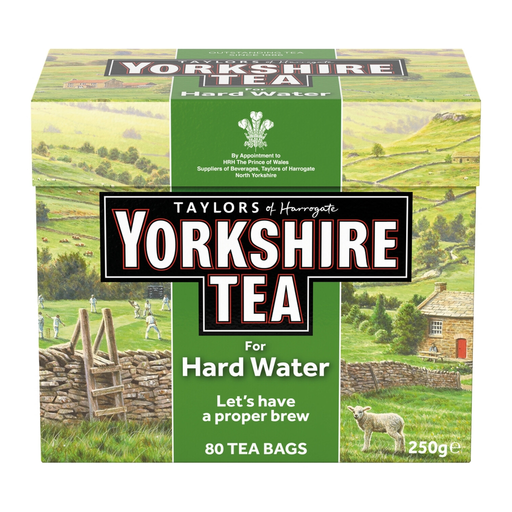
Why This Fits Their Persona: Designed for UK households that notice a difference in their brew when using hard tap water and want to try a blend intended for that setting.
The pack specifies hard-water use, so shoppers can choose according to their local water conditions rather than expecting every everyday blend to perform identically.
80 tea bags; 250g net weight; labelled for hard-water conditions; black tea ingredients.
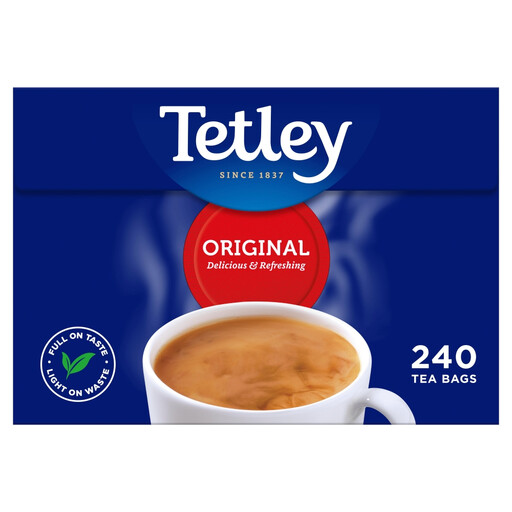
Why This Fits Their Persona: A 240-bag format is practical for families, offices and shared kitchens where tea is made throughout the day.
The stated 750g weight and 240-bag quantity make the supply easy to assess for high-volume use, without confusing a large outer box with a larger serving count.
240 tea bags; 750g net weight; black tea; no declarable allergens listed in the supplied product information.
Other familiar options include Yorkshire Tea Bags 160S 500g, PG Tips Original 400 Tea Bags 1.16kg and Twinings English Breakfast 80 Tea Bags 200g. Compare each by bag count, blend style and intended drinking routine before ordering.
We have compiled a complete, real-time list of products that fully satisfy these strict selection criteria and UK safety regulations.
Tea bags should remain in their original packaging or an airtight container and be kept somewhere cool, dry and away from strong odours. Check the best-before date on the packaging. The flavour may gradually lose freshness after opening, particularly if the box is exposed to humidity.
They can offer a lower cost per bag, but this depends on the product price and current promotion. Divide the pack price by the number of tea bags before buying. A large tea bag pack only represents practical value if your household can use it while the tea remains properly stored.
Look for products specifically labelled for hard-water conditions, such as Yorkshire Tea for Hard Water. A water filter or freshly drawn kettle water may also alter the taste, but these options involve additional equipment and ongoing replacement costs. Compare the simplest solution with your household’s normal tea-making habits.