
24/7 Customer Support

Free returns

Same-day & Next-day Delivery

Quality Guaranteed

Unlock Your Welcome Offers: FREE Delivery | Up to 80% OFF | Free 30-day JoyPlus trial
Download the APP
Tea bags are a cupboard staple, but choosing the right pack involves more than picking a familiar logo. Flavour strength, caffeine content, certifications, bag design and quantity can all affect whether a purchase suits your routine or sits unused.
As the Joybuy Product Recommendation Officer, I focus on filtering practical details from marketing language. Here are the main points to check before buying tea bags for everyday use.
Decaffeinated tea bags have had most of their caffeine removed, but “decaf” does not automatically mean zero caffeine. The remaining amount can vary according to the tea, processing method and serving size. If you are highly caffeine-conscious, check the packaging for a stated figure such as “less than” or “per serving”.
For a naturally caffeine-free drink, look for herbal infusions rather than decaffeinated black tea. These are separate categories and may have very different flavours.
Pyramid tea bags are often promoted as allowing more room for tea leaves to infuse. The shape can be useful, particularly when the bag contains larger leaf pieces, but it does not guarantee a stronger or more enjoyable cup. Water temperature, brewing time and tea blend remain important.
Similarly, descriptions such as “premium”, “proper” or “full-bodied” are subjective. Compare the ingredients, weight, bag count and recommended brewing method instead of relying on those terms alone.
A 160-, 240- or 500g pack can be practical for families, offices and frequent tea drinkers. However, buying more than you can use while the tea remains fresh may reduce the value. Tea bags should generally be kept sealed in a cool, dry place, away from sunlight, moisture and strong odours.
Before purchasing a large pack, consider how many cups your household makes each day and whether you have an airtight container available.
Pack size affects cost per cup and storage requirements. An 80-bag pack may suit a smaller household, while bulk tea bags such as 160 or 240 bags are more practical for frequent drinkers.
Do not compare only the number of bags. Check the net weight too, as individual bags may contain different quantities of tea. A larger count is not automatically better value if the tea is weaker for your preferred mug size.
Ethical and environmental labels should be read carefully. Fairtrade, Rainforest Alliance and organic certification refer to specific standards or programmes, but they are not interchangeable. Check which label applies and whether it covers all or part of the tea ingredients.
Packaging claims also need context. For example, a tea bag described as biodegradable may require particular industrial composting conditions. Follow local council guidance rather than placing it automatically in a home compost bin.
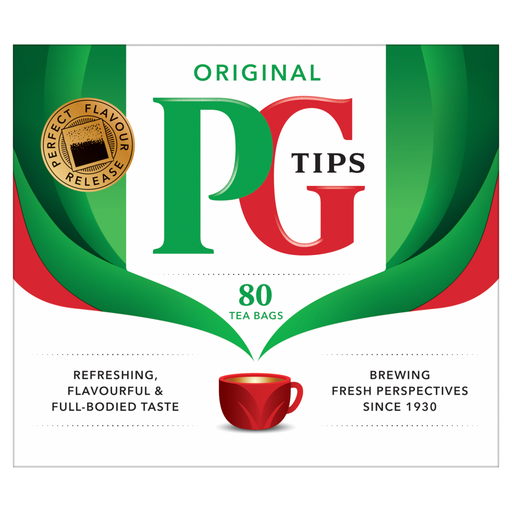
Why This Fits Their Persona: A straightforward everyday black tea option for individuals, couples or smaller households that want a familiar UK-style brew without committing to a large pack.
The 80-bag format is easier to use before the pack loses freshness, while the ingredient list identifies black tea and Rainforest Alliance certification.
80 bags; pyramid-shaped format; suitable with or without milk and sugar.
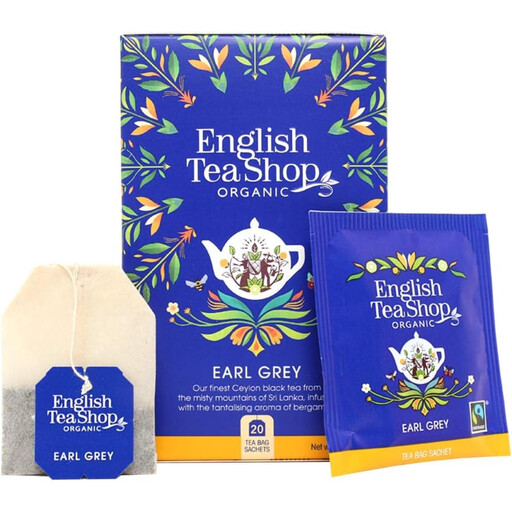
Why This Fits Their Persona: Suits shoppers who prefer a more aromatic cup and want certified organic ingredients in a smaller sachet format for occasional or afternoon drinking.
The ingredients specify organic Ceylon black tea and organic bergamot oil, so the citrus character is clearly identified rather than left to vague flavour wording.
20 sachets; organic Ceylon black tea; bergamot oil; stated caffeine content of 5mg per serving.

Why This Fits Their Persona: A practical choice for large households, workplaces or anyone who wants decaf tea bags available throughout the day and evening.
The pack size is stated clearly as 160 bags and 500g, making it easier to assess cupboard space and likely usage before buying in bulk.
160 bags; 500g net weight; decaffeinated black tea; no declarable allergens listed.

Why This Fits Their Persona: Designed for shoppers prioritising organic sourcing, Fairtrade tea and reduced-caffeine everyday drinking in a medium-sized pack.
The product information identifies the tea as organic and 100% Fairtrade, while also stating that the bags are unbleached and plastic-free.
80 bags; organic black tea; Fairtrade sourcing; decaffeinated everyday blend.
We have compiled a complete, real-time list of products that fully satisfy these strict selection criteria and UK safety regulations.
For many black tea bags, two to three minutes is a useful starting point. Earl Grey may need less time if you prefer a lighter bergamot aroma. Adjust the time to taste, but prolonged brewing can make some blends more bitter.
Usually not. Decaffeination removes most caffeine, but small residual amounts may remain. Check the product label for a stated caffeine level. If you need to avoid caffeine entirely, consider a caffeine-free herbal infusion and review its ingredients.
They can be, but compare the total price with the pack weight and bag count. Bulk tea bags offer practical value for frequent drinkers, provided you can store them correctly and use them before the flavour and aroma decline.