
24/7 Customer Support

Free returns

Same-day & Next-day Delivery

Quality Guaranteed

Unlock Your Welcome Offers: FREE Delivery | Up to 80% OFF | Free 30-day JoyPlus trial
Download the APP
Tea bags are convenient, but choosing between everyday black tea, herbal tea bags, green tea bags and instant blends can be surprisingly complicated. Attractive packaging may hide high sugar content, unexpected caffeine or ingredients that do not suit your household.
Before adding a box to your basket, check three common pitfalls:
For a morning drink or an office cupboard, green tea bags and traditional tea may suit shoppers who want a tea made from Camellia sinensis. Japanese green tea, such as sencha-style products, generally has a fresh, vegetal flavour, while roasted hojicha has a toastier profile and is described as lower in caffeine than many other green teas.
For evening use, look for caffeine-free tea. Chamomile tea, fruit tea selection boxes, ginger infusions and many organic herbal tea blends are suitable options when you want to avoid caffeine. Check the packaging carefully, as blends containing green tea, black tea or mate will not usually be caffeine-free.
Ingredients are listed in descending order by weight. This is especially important for instant products. For example, POCAS Instant Honey Ginger Tea contains sugar first, followed by honey powder and 15% ginger powder. It is a sweetened drink mix rather than a plain ginger infusion.
Nestle Everyday Masala Tea 3in1 contains sugar, milk solids, vegetable oil and tea extract, alongside spices including star anise, clove, ginger and cinnamon. It also contains milk and soya, making allergen checking essential.
With herbal tea bags, look for the percentage of the main botanical where available. Pukka Chamomile Vanilla & Manuka Honey lists chamomile flower at 68.5%, while Twinings Lemon & Ginger lists ginger root at 37%. These details give a clearer indication of the blend than front-of-pack flavour language.
Loose tea can require a strainer and more washing up, whereas individually wrapped tea bags are practical for desks, travel and guest use. Instant sachets are quicker still, but they generally require hot water above a specified temperature and stirring until dissolved.
For a good cup:
Sachets and packaging also vary. Some products use plant-based or compostable tea bags, but disposal instructions can differ by local council. Check the packaging rather than assuming that every tea bag belongs in a home compost bin.
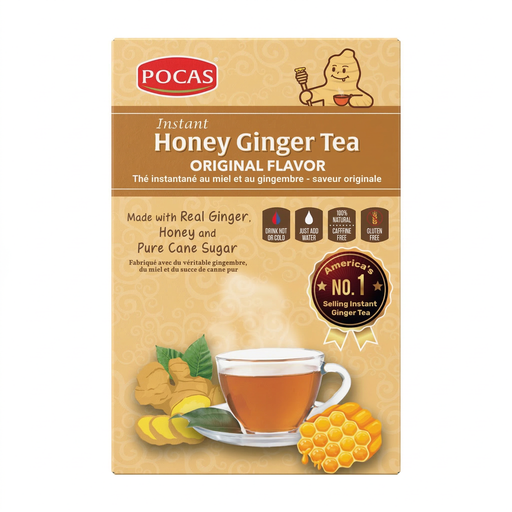
Why This Fits Their Persona: Ten individual sachets offer a straightforward option for a work drawer, student kitchen or occasional hot drink without needing additional ingredients.
The label clearly identifies sugar and honey powder, so shoppers can avoid mistaking it for an unsweetened herbal tea.
Ten 18g sachets; contains 15% ginger powder; dissolves in approximately 150–200ml of hot water.
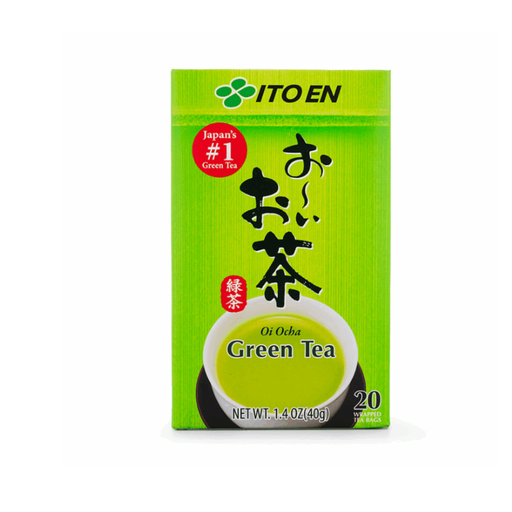
Why This Fits Their Persona: A 20-bag Japanese green tea selection suits shoppers who prioritise a plain ingredient list and an authentic-style brewing routine.
The ingredients list contains green tea only, avoiding added sugar, flavourings and milk ingredients.
20 tea bags; suitable for hot or cold brewing; single-ingredient format.
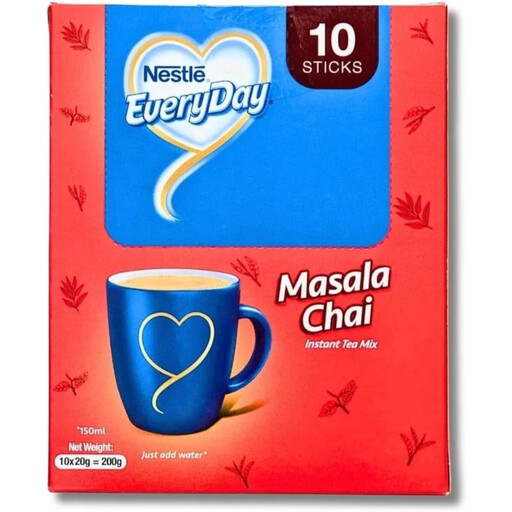
Why This Fits Their Persona: Designed for busy mornings or shared office kitchens, this instant masala chai requires only hot water and stirring.
It is presented as a 3-in-1 mix, while the label identifies its sugar, milk and soya content, helping buyers make an informed choice.
Ten 20g sachets; includes tea extract and several warming spices; no separate milk or sweetener required.
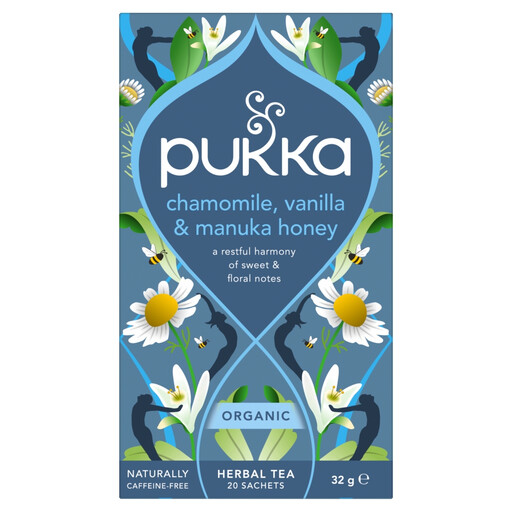
Why This Fits Their Persona: This naturally caffeine-free infusion is suited to an evening routine, with floral chamomile and vanilla notes rather than a conventional tea flavour.
The product is identified as a herbal infusion and its ingredient percentages are provided, rather than relying only on a calming-style name.
20 individually wrapped sachets; chamomile flower is listed at 68.5%; naturally caffeine-free.
For a fruit tea selection, Twinings Fruit Selection includes Cranberry & Raspberry, Mango & Strawberry, Blackcurrant & Blueberry and St Clements infusions. Tropical Sun Soursop Tea contains 100% soursop leaves and is labelled caffeine-free, with instructions for both hot and cold brewing.
Shoppers seeking ginger tea can compare Twinings Lemon & Ginger, which includes ginger root, lemon peel, fennel and lemongrass. For an organic herbal tea blend, Pukka Feel New includes lemongrass, ginger, peppermint, fennel, cardamom and cinnamon; the product information notes celery traces from shared processing equipment.
Those comparing a traditional brand collection may also wish to browse Twinings tea and Pukka tea products by flavour, format and intended occasion. Always check the current label for ingredients, allergens and preparation guidance, as formulations and packaging can change.
We have compiled a complete, real-time list of products that fully satisfy these strict selection criteria and UK safety regulations.
Many are, including chamomile, ginger and fruit infusions, but not every herbal-style blend is automatically caffeine-free. Check the product label for green tea, black tea or other caffeinated ingredients.
Tea bags generally retain their intended flavour until the best-before date when kept sealed in a cool, dry cupboard. Humidity, heat and strong odours can affect aroma and taste, so reseal opened boxes and avoid storing them beside spices.
The cost depends on the product price, serving size, water volume and kettle use. Instant sachets offer convenience and portion control, while standard tea bags may provide more servings per pack. Compare the number of servings and ingredients, not just the front-of-pack price.