
24/7 Customer Support

Free returns

Same-day & Next-day Delivery

Quality Guaranteed

Unlock Your Welcome Offers: FREE Delivery | Up to 80% OFF | Free 30-day JoyPlus trial
Download the APP
Tea bags are a cupboard essential in many UK homes, offices and hospitality settings. However, choosing the right pack is not simply a matter of picking the most familiar name. Pack size, blend type, brewing preferences and storage can all affect value and everyday enjoyment.
Before buying, watch for three common traps:
Pack sizes range from smaller boxes for occasional drinkers to bulk tea bags designed for families, offices or catering cupboards. Compare both the number of bags and the net weight. A 240-bag box may suit a busy household, while an 80-bag pack can be more practical if you are trying a blend or have limited storage.
For a simple comparison, divide the price by the number of tea bags. Also consider how many cups your household drinks each day. A 400-bag box can reduce repeat shopping, but it may take longer to finish once opened.
Most black tea bags are intended for everyday brewing with freshly boiled water. The flavour may be described as light, refreshing, full-bodied or robust, but these terms are not standard measurements. Consider your routine instead:
Ingredients should also be checked carefully. Traditional black tea bags normally list black tea as the ingredient, while herbal products may contain several botanicals.
Black tea naturally contains caffeine, although the amount varies according to the blend, bag size and brewing time. Consumers seeking a caffeine-free drink should select a product specifically labelled caffeine-free herbal tea, rather than assuming that all tea bags are suitable.
Several of the listed products are described as suitable for vegetarians and vegans. Packaging remains the final reference for current ingredients, allergen information and disposal instructions. Store tea in a cool, dry place away from direct sunlight and moisture, and keep opened herbal products sealed to help preserve their flavour.
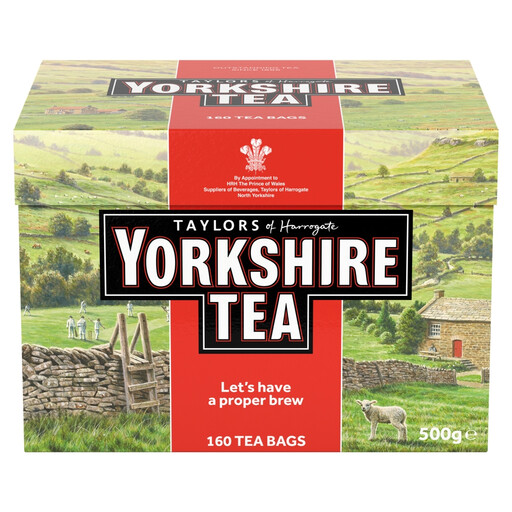
Why This Fits Their Persona: A 160-bag pack offers a manageable supply for a regular tea drinker, couple or smaller household that wants a recognised everyday black tea without immediately choosing a catering-size box.
The stated 160-bag count makes the supply easier to match to actual consumption, reducing the risk of overbuying a large box before confirming household preference.
500g net quantity; listed as suitable for vegetarians and vegans; cardboard packaging and plant-based bag disposal guidance are provided.
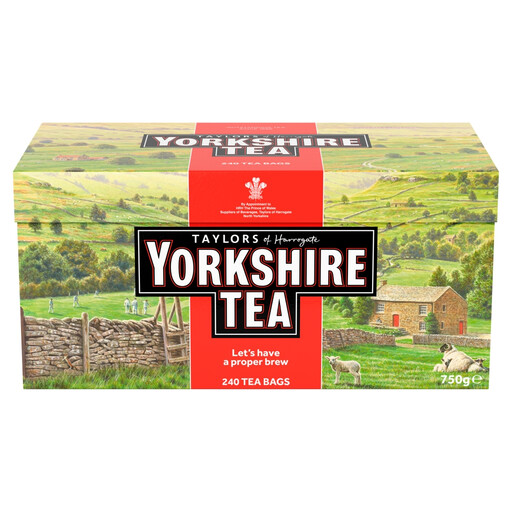
Why This Fits Their Persona: This large household pack suits regular drinkers who want a familiar black tea available for breakfasts, work-from-home breaks and visitors.
The fixed 240-bag quantity allows buyers to assess supply against daily usage instead of relying on vague “long-lasting” wording.
240 bags and 750g net quantity; made with black tea; listed as suitable for vegetarians and vegans.
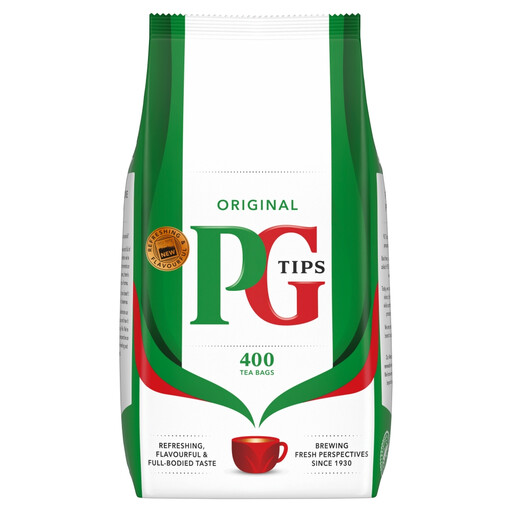
Why This Fits Their Persona: The 400-bag format is suited to large families, shared offices, hospitality cupboards and buyers who want to reduce frequent reordering.
The clearly stated count and 1.16kg net quantity make it easier to calculate expected usage for high-volume settings.
400 original tea bags; black tea ingredient; storage instructions specify keeping the pack in a cool, dry place.
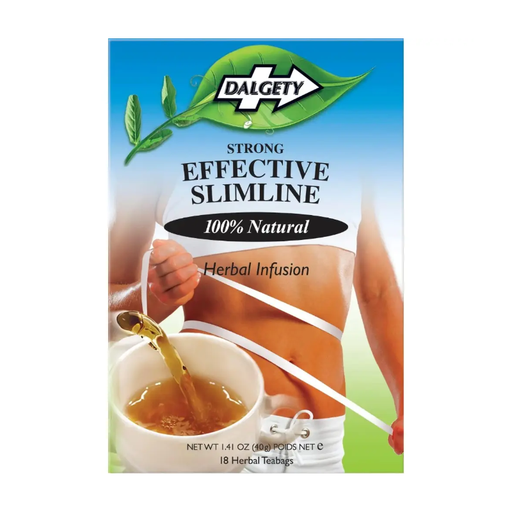
Why This Fits Their Persona: This herbal sachet format is aimed at shoppers who want a caffeine-free infusion rather than a conventional breakfast tea.
It is clearly positioned as a caffeine-free herbal blend, helping distinguish it from black tea bags. It contains senna, so moderation and the pack’s safety information matter.
40g sachet pack; includes peppermint, lemongrass, hibiscus and ginger; listed as suitable for vegans. Senna products are not intended to replace balanced eating or professional health advice.
We have compiled a complete, real-time list of products that fully satisfy these strict selection criteria and UK safety regulations.
A large pack only represents good value when it is stored correctly and consumed regularly. Keep the box away from the kettle’s steam, sinks and strong-smelling foods. Moisture can affect the dry tea, while nearby spices or coffee may alter its aroma.
For family-size tea bags and office supplies, consider recording approximate daily use. This makes it easier to choose between 160, 240 and 400-bag packs. If you are buying for hospitality, keep a consistent everyday blend available, while offering herbal options separately for guests who avoid caffeine.
Brewing time also affects flavour. Freshly boiled water and a controlled infusion time can help produce a more consistent cup. Avoid judging value solely by marketing descriptions such as “strong” or “smooth”; the ingredients, quantity and your preferred serving style are more useful buying information.
Black tea bags can form part of an everyday beverage routine for many adults. They contain caffeine, so people who are sensitive to caffeine or avoiding it should consider a labelled caffeine-free herbal tea instead. Check the product packaging for current information.
Tea bags should be kept sealed in a cool, dry cupboard and used by the date mark shown on the packaging. A large box may remain in storage for several months, but flavour can gradually change after opening, particularly if exposed to humidity or strong odours.
“Slimming tea” is a marketing term rather than a guarantee of weight reduction. Some herbal blends contain senna, which has laxative properties and requires careful use. Read the safety information, follow the stated directions and seek appropriate professional advice if you have concerns, rather than treating such products as a substitute for a balanced diet.