
24/7 Customer Support

Free returns

Same-day & Next-day Delivery

Quality Guaranteed

Unlock Your Welcome Offers: FREE Delivery | Up to 80% OFF | Free 30-day JoyPlus trial
Download the APP
Tea bags are a cupboard staple, but choosing the right pack is not always straightforward. Supermarket-style shelves and online listings can make similar products appear interchangeable, even though flavour, caffeine content, serving format and value can differ considerably.
Whether you need everyday black tea bags, decaffeinated tea bags for evening use, herbal tea bags, or ready-to-drink iced tea drinks, a few checks can help you avoid paying for features that do not suit your routine.
Traditional black tea bags contain tea leaves and usually provide caffeine. Herbal infusions, fruit tea and wellness tea may contain botanicals, spices or fruit ingredients instead. Green tea is also a distinct category, with its own flavour profile and typically some caffeine.
Read the ingredient list rather than relying only on the front-of-pack description. A product labelled “night time”, “wellbeing” or “refreshing” may contain several herbs, while a fruit-flavoured drink may also contain sugar or sweeteners.
Decaffeinated tea bags are made from tea leaves with much of the caffeine removed, but they should not automatically be treated as completely caffeine-free. Herbal infusions made from ingredients such as camomile, peppermint or rooibos may be labelled caffeine-free, although the exact position depends on the product.
If you are avoiding caffeine, check the packaging and ingredient information carefully. Do not assume that a black tea-based iced drink or milk tea is caffeine-free simply because it tastes mild.
Bulk tea bags can reduce the cost per serving, but a 240- or 400-bag pack needs suitable cupboard space and regular use. Tea absorbs moisture and strong odours, which can affect its aroma. A large pack is less practical if it will remain open for months in a warm or damp kitchen.
Look for a sealed box, check the date on the packaging and store tea in a cool, dry place. For ready-to-drink products, also consider storage space and whether refrigeration is needed after opening.
Brewing instructions matter too. Black tea may suit two to three minutes, while herbal blends often benefit from three to five minutes. Over-steeping can produce bitterness or an overly intense botanical taste.
Under UK food labelling requirements, packaged products should provide ingredients and relevant allergen information. Check ingredients in bold and review the allergen statement if you have an allergy or intolerance.
This is particularly important for bottled milk tea and iced tea drinks. For example, a milk tea may contain milk, wheat or gluten, while a peach drink may contain peach and mention possible traces of other allergens. An unsweetened green tea can have a very different sugar profile from a fruit-flavoured drink.
Do not treat “wellness” wording as a medical promise. Ingredients such as valerian, senna, passionflower or liquorice root may not suit everyone. Dalgety Effective Slimline Tea contains senna, which has laxative properties; follow the packaging guidance and avoid excessive consumption. If you have a medical condition, take medicines or are pregnant, ask a qualified healthcare professional for personalised advice.
Compare number of tea bags, total weight and serving size rather than judging value from the headline price alone.
For children’s lunch boxes or social occasions, ready-to-drink bottles and pouches may be more convenient. However, check sugar, sweetener and allergen information before buying a case.

Why This Fits Their Persona: An 80-bag pack offers a manageable supply for smaller households or shoppers trying decaffeinated tea bags without committing to a large case.
The pack clearly identifies decaffeinated black tea and provides ingredients, allergen and storage information for a more informed choice.
80 tea bags; made with black tea; suitable for a familiar milk tea routine.
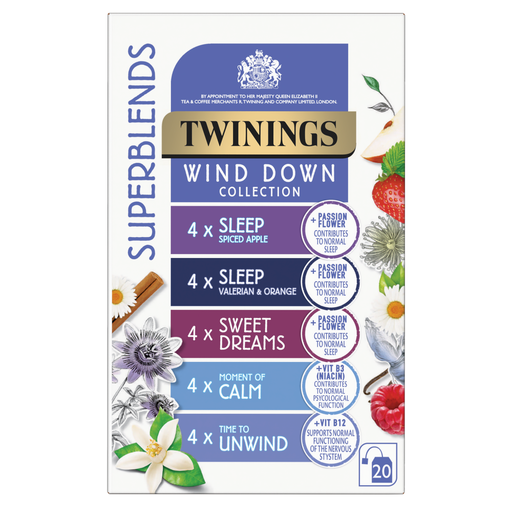
Why This Fits Their Persona: A varied collection suits shoppers who prefer fruit and herbal infusions and want several flavours for evening routines.
The box lists the blends and their individual ingredients, so you can check botanicals rather than relying on broad “wind down” wording.
Five varieties; 20 tea bags; includes camomile, lemon balm and spiced fruit combinations.
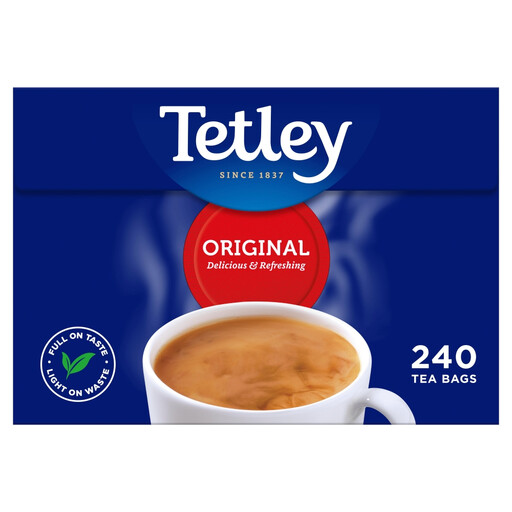
Why This Fits Their Persona: The large pack is suited to families, shared offices and households that prepare several cups throughout the day.
The 240-bag quantity makes the intended use clear, avoiding the poor value of repeatedly buying small boxes for frequent tea drinkers.
240 tea bags; 750g pack; black tea blend suitable for everyday brewing and sharing.
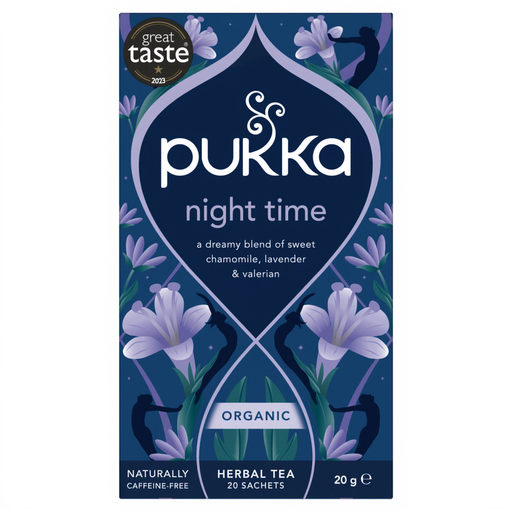
Why This Fits Their Persona: This 20-bag herbal option is designed for shoppers seeking a botanical drink without traditional black tea.
The ingredient list identifies camomile, lavender, limeflower, tulsi and valerian root, allowing you to assess the blend before purchase.
20 herbal tea bags; caffeine-free positioning; compostable tea bags stated in the product information.
We have compiled a complete, real-time list of products that fully satisfy these strict selection criteria and UK safety regulations.
Many herbal infusions are caffeine-free because they do not contain black or green tea leaves. However, always read the product label. Blends can vary, and some products marketed alongside herbal teas may contain tea extracts.
Tea bags should remain suitable until the date shown on the packaging when stored in a cool, dry place. Once opened, reseal the box or use an airtight container, keeping it away from moisture, heat and strong-smelling foods.
Usually, brewing tea bags costs less per serving, particularly with bulk tea bags or multipacks. Bottled iced tea, milk tea and pouch drinks offer convenience without preparation, but check the serving size, sugar content and storage requirements before comparing prices.