
24/7 Customer Support

Free returns

Same-day & Next-day Delivery

Quality Guaranteed

Unlock Your Welcome Offers: FREE Delivery | Up to 80% OFF | Free 30-day JoyPlus trial
Download the APP
Tea bags are a convenient cupboard essential, but choosing the right box is not always straightforward. A large pack may appear economical, while a small speciality selection may offer more variety with less waste. Flavour, caffeine content, ingredient transparency and brewing style all affect whether a purchase suits your household.
This guide explains the main buying pitfalls and compares practical options for traditional tea drinkers, caffeine-conscious shoppers, herbal infusion fans and people building a flexible wellness tea selection.
An 80-bag box is useful for regular drinkers, but the price per bag is only one part of the calculation. Check the net weight, number of servings and whether each bag is individually wrapped. Individually wrapped tea bags can help preserve aroma and are useful in offices or shared kitchens, but may create more packaging.
For occasional drinkers, a 15- or 20-bag box can reduce the chance of a blend losing freshness before it is finished.
Herbal tea bags can contain several botanicals, flavourings and roots. Chamomile, liquorice root, fennel, valerian and other ingredients may not suit every person. Always read the ingredient list and allergen information, particularly during pregnancy, when taking medication or managing a known botanical allergy.
Terms such as bedtime tea and wellness tea describe the intended occasion or blend style. They should not be treated as medical or therapeutic promises.
Black tea bags, including English breakfast tea and Earl Grey tea bags, naturally contain caffeine. Green tea bags also generally contain caffeine, although the amount varies according to the leaf, serving size and brewing time.
For an evening drink, look for clearly labelled decaffeinated tea bags, caffeine-free tea or naturally caffeine-free herbal infusions. “Low caffeine” is not the same as caffeine-free, so check the packaging rather than relying on colour or flavour.
Review the ingredient list before purchase. A short list, such as black tea or chamomile flowers, is easy to understand, while blended products require closer inspection.
For example, Clipper Organic Fairtrade 80 Tea Bags contains organically grown black tea. Look for the relevant organic and Fairtrade certification marks on the packaging and check the product description for current certification details. Do not assume that every tea in a brand’s range carries the same certification.
UK food labelling should identify relevant allergens, but shoppers should still read the pack, especially when buying imported or botanical blends.
Compare both bag count and grams. A 20-bag box may contain a stronger portion per bag than another 20-bag box. Larger-leaf or “proper” tea bags can require more room and a longer infusion.
Freshly boiled water is generally suitable for black tea and herbal infusions. Green tea can taste more delicate when brewed with water that has cooled slightly. Follow the pack’s instructions, then adjust steeping time to taste. Longer brewing usually produces a stronger cup, but can also increase bitterness in some teas.

Why This Fits Their Persona: The 80-bag pack suits households wanting a familiar black tea format for regular use, including later in the day.
The product is explicitly labelled decaffeinated, helping avoid the mistake of assuming that ordinary black tea is suitable before bed.
80 tea bags, 250g net weight and black tea listed as the ingredient; suitable with or without milk.
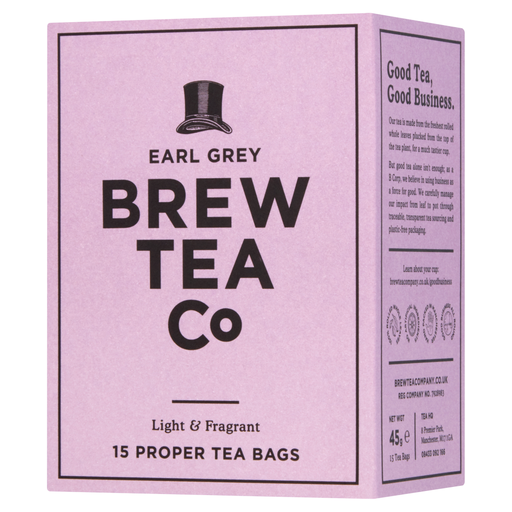
Why This Fits Their Persona: A smaller pack is practical for shoppers who prioritise a distinctive afternoon or after-meal cup over high-volume everyday drinking.
The product clearly identifies black tea and bergamot flavouring, rather than relying only on the name to communicate its profile.
15 tea bags at 3g each, with black tea and bergamot flavouring; can be served neat, with milk or with lemon.
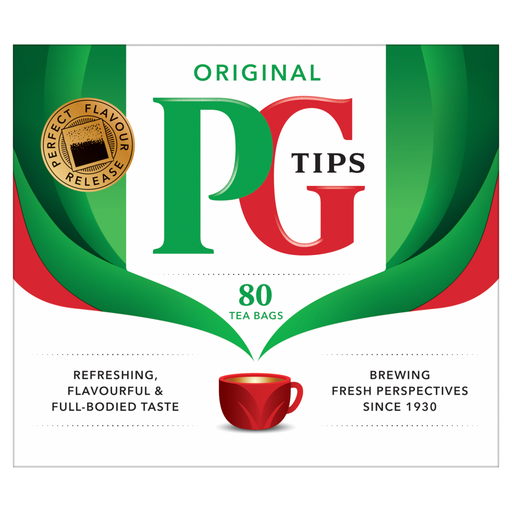
Why This Fits Their Persona: A large pack is suited to busy UK households that make several cups daily and want a familiar black tea for breakfast or work breaks.
The listed 80-bag quantity makes the intended high-frequency use clear, avoiding a small speciality pack for a large household.
80 bags and 232g net weight; made with black tea and designed for a 2–3 minute brew.
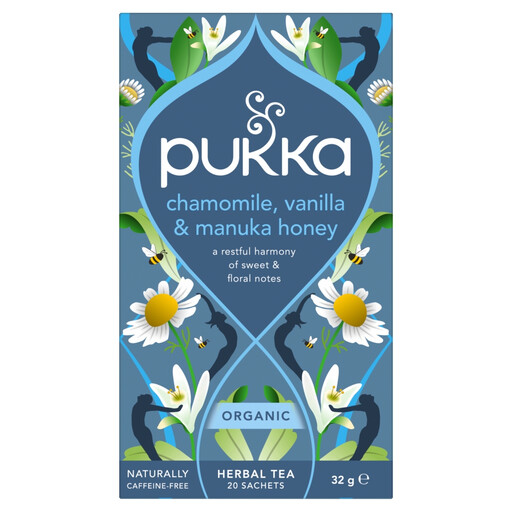
Why This Fits Their Persona: This naturally caffeine-free infusion is suited to shoppers seeking a floral, lightly sweet drink for an evening routine.
Its ingredient list identifies chamomile, fennel, liquorice root, vanilla extract and flavouring, allowing buyers to check the blend before ordering.
20 individually wrapped herbal sachets; naturally caffeine-free and listed as organic in the product information.
We have compiled a complete, real-time list of products that fully satisfy these strict selection criteria and UK safety regulations.
For citrus flavour, Twinings Lemon Green Tea combines green tea with natural lemon flavouring. For a Japanese green tea option, ITOEN Oi OCHA Green Tea Bags contains green tea only, while Hojicha offers a roasted profile and is described as lower in caffeine.
Fruit tea drinkers may prefer Twinings Fruit Selection, which includes Cranberry & Raspberry, Mango & Strawberry, Blackcurrant & Blueberry and St Clements. For a straightforward single botanical, Teapigs Chamomile Flowers lists chamomile flowers as its ingredient.
Tea bags generally carry a best-before date rather than a use-by date. Store them in a cool, dry place, away from sunlight, moisture and strong odours. Once opened, reseal the box or use an airtight container to help protect flavour.
No. Some herbal infusions are naturally caffeine-free, but blended products can include green or black tea. Check the ingredients and front-of-pack description. Chamomile-only products and clearly labelled caffeine-free infusions are more straightforward choices for caffeine-conscious shoppers.
Loose tea can offer a lower cost per gram, but tea bags provide measured portions and less preparation. Compare the price per bag, total weight and how often you expect to drink the product. For many UK households, the reduced preparation time is part of the practical value.