
24/7 Customer Support

Free returns

Same-day & Next-day Delivery

Quality Guaranteed

Unlock Your Welcome Offers: FREE Delivery | Up to 80% OFF | Free 30-day JoyPlus trial
Download the APP
Choosing between familiar black tea bags, decaffeinated blends, ready-to-drink milk tea and brewing equipment can seem straightforward. Yet packaging size, vague flavour descriptions and unsuitable accessories can quickly lead to disappointing purchases.
A large box is not always the most economical option if the tea is too weak for your preferred brew. Likewise, a stylish glass teapot may be inconvenient if it is difficult to clean or too small for the household. This guide explains what to check before buying tea bags and tea products, with practical options for UK homes.
Tea is sold by bag count, weight and sometimes bottle volume, making direct comparisons difficult. An 80-bag box may suit occasional drinkers, while a 160-bag pack can be more practical for a busy household. Check the number of servings, net weight and recommended brewing quantity rather than judging value by the box size alone.
Decaffeinated tea has had most of its caffeine removed, but it should not automatically be treated as caffeine-free. If you are limiting caffeine for personal or medical reasons, read the product information and follow relevant professional advice. Decaffeination methods can also affect flavour, so shoppers who prefer a full-bodied cup should look for descriptions referring to malty, rounded or robust notes rather than choosing solely on the word “decaf”.
Ready-to-drink milk tea is convenient, but it is not the same product as brewed tea. Check the nutrition panel, particularly sugars per 100ml, and look for milk allergen information. Once opened, many chilled drinks need refrigeration and should be consumed within the stated period. For dry tea, keep the pack sealed in a cool, dry place away from strong odours.
Ingredients should be clear and specific. A product listing that states 100% black tea offers a different proposition from a sweetened bottled drink containing milk powder, sugar and flavourings.
Pyramid bags or larger-format bags can provide more room for tea leaves to expand, but this does not alone guarantee a stronger or more enjoyable cup. Brewing water, time and personal preference remain important.
For many black teas, freshly boiled water and around 3–5 minutes of brewing is a useful starting point. Remove the bag when the desired strength is reached to reduce excessive bitterness. Follow the product instructions where they differ.
Some shoppers specifically seek organic Fairtrade tea. Look for recognised certification marks and confirm the wording on the packaging rather than relying on broad ethical language in promotional copy. Clipper Organic Fairtrade Decaf Everyday, for example, is listed as organic and Fairtrade, with organically grown black tea as its ingredient.
When comparing glass teapots with infusers, check:
Tea presses can help stop infusion at a chosen strength. They should be placed on a flat, heat-resistant surface and must not be used on a hob, direct flame or in a microwave unless the manufacturer explicitly permits it.
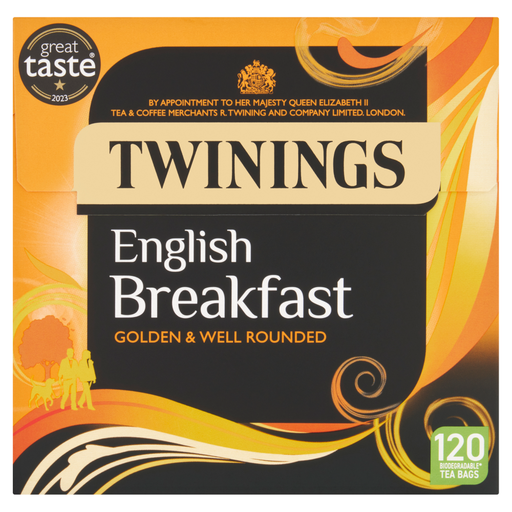
Why This Fits Their Persona: A 120-bag pack is practical for households wanting a familiar everyday black tea without moving immediately into loose-leaf equipment or specialist blends.
The stated bag count and 300g net quantity make it easier to compare with other everyday packs, rather than judging by packaging size alone.
100% black tea; suitable for regular preparation with milk or sugar according to taste.
Why This Fits Their Persona: Suits shoppers who want a more considered decaffeinated brew, including those who enjoy a fuller black tea character in the evening.
The listing identifies a CO₂ decaffeination process and whole-leaf black tea in biodegradable pyramid bags, providing more useful detail than an unqualified “decaf” label.
40 tea bags in a 200g pack; made with CO₂-decaffeinated Ceylon black tea.
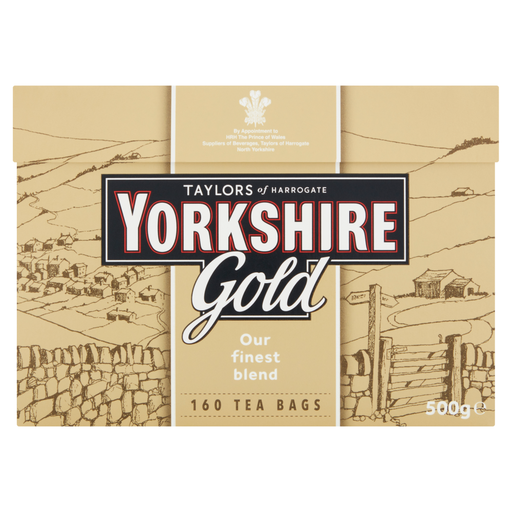
Why This Fits Their Persona: The 160-bag format is designed for frequent tea drinkers, shared kitchens and households that prefer to restock less often.
The listing gives both bag count and total weight, helping heavy users assess how the pack compares with 80-bag Yorkshire Tea or other black tea bags.
160 tea bags and 500g net quantity; suitable for 3–5 minute brewing with milk or sugar if preferred.

Why This Fits Their Persona: A suitable choice for tea drinkers who want to serve several cups and control infusion visibly, whether using loose leaf or tea bags.
The 1.5L capacity and stainless steel infuser are clearly specified, while the heat-resistant glass still requires careful handling and avoidance of sudden temperature changes.
1.5L capacity; borosilicate glass body with stainless steel infuser; dishwasher-safe parts are listed by the manufacturer.
We have compiled a complete, real-time list of products that fully satisfy these strict selection criteria and UK safety regulations.
Uni-President Assam Milk Tea is available in 500ml and 1.5L formats, offering a chilled, ready-to-drink alternative to brewed tea. The listed versions contain milk and have around 55–67 kcal and 8.5–9g sugar per 100ml, depending on the product. This makes the nutrition panel particularly important when comparing bottles or planning regular consumption.
For sharing or cupboard stocking, the 500ml x 15 format provides multiple bottles. Store unopened products according to the label, refrigerate after opening where instructed and consume within the stated period.
They can provide more space for leaves to expand, but cup quality also depends on tea grade, water temperature and brewing time. Treat the bag shape as one consideration rather than a guarantee of flavour.
Use the best-before information on the packaging. Store unopened tea in a cool, dry place away from sunlight, moisture and strong aromas. Once opened, reseal the pack or transfer the bags to an airtight container.
Many tea presses support both, but check the product instructions and filter dimensions. Keep the vessel below its maximum fill line, avoid direct heat and inspect glass for chips or cracks before use.