
24/7 Customer Support

Free returns

Same-day & Next-day Delivery

Quality Guaranteed

Unlock Your Welcome Offers: FREE Delivery | Up to 80% OFF | Free 30-day JoyPlus trial
Download the APP
Tea bags are a cupboard essential for many UK households, but choosing the right pack is not always straightforward. A familiar brand name does not tell you whether the flavour suits your preferences, while a large pack may offer poor value if the tea is rarely used. Herbal blends can also contain ingredients that are unsuitable for some shoppers.
This guide explains what to check before buying black tea bags, herbal tea bags, green tea bags and decaffeinated tea bags. It also compares suitable options for different household routines, from a single daily drinker to a busy office or large family.
English breakfast tea and other black tea bags can vary considerably in strength, body and finish. Some are intended to be served with milk, while lighter blends may be more suitable without it. A pack described as “original” or “classic” does not automatically indicate your preferred flavour profile.
Check the ingredient list and product description. A blend listed simply as black tea is generally more suitable for shoppers looking for a traditional, straightforward brew. If you prefer floral, citrus or mint notes, herbal or flavoured options may be a closer match.
A 240- or 400-bag pack can reduce how often you need to restock, but it may not suit a small household or occasional tea drinker. Tea can lose some aroma after prolonged exposure to air, especially if the box is opened frequently.
Compare bag count, net weight, storage requirements and your normal weekly consumption. Large pack tea bags are more practical for families, shared kitchens and office buyers, while 20-bag boxes work well for trying a new blend.
Marketing language can make a tea sound more suitable than it actually is. Herbal blends may include liquorice root, valerian, passionflower, lavender, celery derivatives or oats. These ingredients matter if you have allergies, dietary restrictions or simply dislike particular flavours.
Read the full ingredients and allergen information rather than relying on front-of-pack wording. Herbal infusions are not automatically caffeine-free, either: some blends contain green or black tea. If avoiding caffeine is important, look for an explicit caffeine-free or decaffeinated description and check the label.
For a rough comparison, divide the price by the number of bags rather than comparing box prices alone. A 20-bag speciality blend may cost more per serving than an 80-bag everyday tea, but it can offer more variety and reduce the risk of being left with a large box you do not enjoy.
For regular drinkers, 160-, 240- or 400-bag packs are worth considering. Store opened tea in a cool, dry place away from direct sunlight and strong odours, as tea can absorb surrounding smells.
Check whether the product is labelled organic, Fairtrade or another sourcing certification, and treat each statement as a product attribute rather than a promise about taste or health. Clipper Organic Fairtrade tea bags, for example, are listed as using organically grown black tea and carrying Fairtrade positioning in the product information.
For herbal products, scan the allergen section carefully. Certification and suitability can vary between products, so always use the current packaging as the final reference.
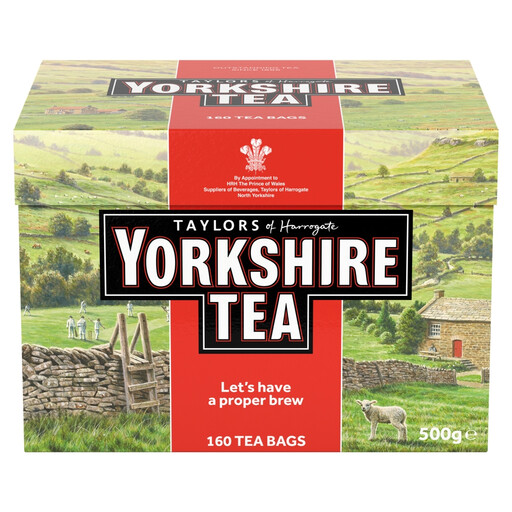
Why This Fits Their Persona: A practical size for regular home drinkers who want a familiar black tea supply without moving straight to a very large pack.
The 160-bag quantity offers a middle ground, helping shoppers avoid overcommitting to a 400-bag box before confirming their household’s usage.
500g pack; black tea ingredients; suitable for vegetarians and vegans according to the listing.
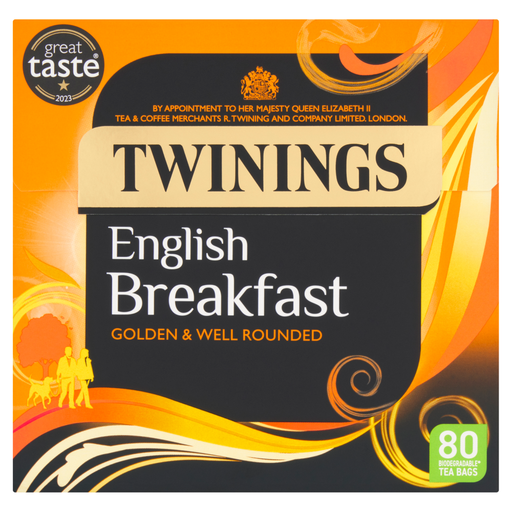
Why This Fits Their Persona: Suits drinkers who prioritise a full-bodied English breakfast tea and prefer a smaller box for freshness and cupboard flexibility.
The stated 80-bag format avoids paying for excess quantity when you are comparing a particular breakfast blend for taste.
200g net quantity; listed as 100% black tea; designed for a bold, satisfying cup.

Why This Fits Their Persona: A suitable cupboard option for households wanting a familiar black tea style while reducing caffeine at selected times of day.
The product is specifically identified as decaffeinated, so shoppers do not need to infer suitability from vague “light” or “evening” wording.
80 bags; 250g pack; black tea listed as the ingredient; made in the United Kingdom according to the product details.
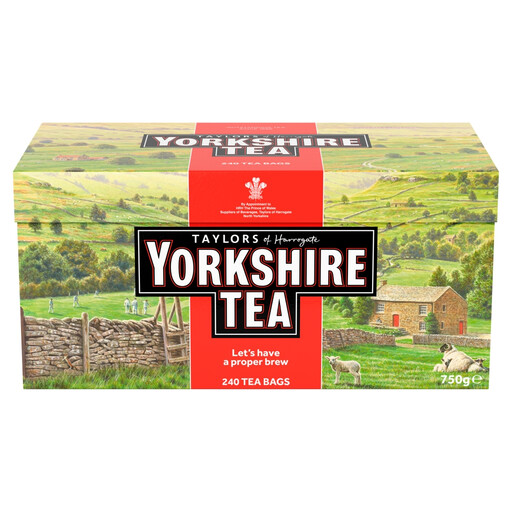
Why This Fits Their Persona: The 240-bag format is designed for frequent brewing, family cupboards, guest rooms and office kitchens where restocking often is inconvenient.
The clearly stated bag count and 750g net quantity make it easier to assess supply against regular household demand.
240 bags; 750g pack; 100% black tea listed; suitable for vegetarians and vegans according to the listing.
Use freshly boiled water for black tea, then adjust steeping time to control strength. Many everyday black tea bags suit a two- to three-minute brew, while green tea can become more bitter if brewed with excessively hot water or left too long.
Keep boxes sealed and away from moisture, heat and strong-smelling foods. Check the best-before date on the packaging, particularly when buying large packs or stocking several varieties.
We have compiled a complete, real-time list of products that fully satisfy these strict selection criteria and UK safety regulations.
Tea bags usually carry a best-before date rather than a use-by date. They may remain safe after that date if stored correctly and the packaging is intact, but flavour and aroma can decline. Use the packaging guidance as the primary reference.
No. Some herbal products are caffeine-free, but blends containing green tea, black tea or other caffeinated ingredients are not. Check the ingredient list and product description before buying. Peppermint infusions, such as organic peppermint tea made from peppermint and spearmint, are commonly listed as caffeine-free.
They can be, but not always. Divide the total price by the bag count to compare cost per serving, then consider whether your household will use the pack before its flavour deteriorates. A large pack is generally more practical for frequent drinkers, families and offices than for occasional users.