Hosts serving a mixed group of black-tea drinkers
Start with a conventional black tea that guests can take plain, with milk or with sugar. A repeatable brewing time will help when you are making cups individually.


For a coffee morning where guests have varied preferences, a familiar everyday black tea is a practical main choice. Add a clearly labelled decaffeinated black tea if guests want a lower-caffeine option, or choose an organic and Fairtrade blend when those credentials matter to the group. Check the pack’s brewing instructions and make a trial cup: an everyday blend’s name alone will not tell you how strong or bitter guests will find it.
The main choice depends on the guests you expect and whether one black-tea blend will cover their preferences.
Start with a conventional black tea that guests can take plain, with milk or with sugar. A repeatable brewing time will help when you are making cups individually.
Keep a clearly labelled decaffeinated black tea separate from the main blend. If a guest needs to avoid caffeine entirely, check the current pack label with them rather than treating “decaffeinated” as a zero-caffeine claim.
Organic and Fairtrade claims may guide a sourcing-led choice; bag count matters when planning repeated cups. Check the credentials on the exact pack and choose a quantity you can store appropriately after the event.
Choose the main blend and any alternative first, then work out how many cups you expect to serve. For individual cups, the UK Tea & Infusions Association gives one tea bag per cup as a starting point.
| Priority | What to check | Your needs |
|---|---|---|
| Everyday blend | Check that the exact pack is a conventional black tea. Choose a main blend whose serving instructions you can follow consistently. | I want guests to be able to take a familiar tea plain, with milk or with sugar. |
| Strength and bitterness | Follow the pack’s infusion time for a trial cup. Keep the tea and brewing method the same when comparing cups; a blend name does not establish how everyone will perceive its strength. | A very strong or bitter standard cup may not suit everyone, so I would rather let guests request a longer brew. |
| Decaffeinated option | Look for a clearly labelled decaffeinated black tea and check its current caffeine statement if strict avoidance matters. Keep it identifiable during serving. | Some guests may prefer less caffeine without switching from black tea. |
| Sourcing claims | Check organic and Fairtrade claims on the exact product. Consider its blend description separately: sourcing credentials do not establish a guest’s flavour preference. | If sourcing matters to our group, I want to identify the tea’s credentials without assuming everyone will favour its taste. |
| Bag count and storage | Estimate cups, including likely second cups, against the bag count. Check how you will store any bags left after the event. | For a busy or recurring coffee morning, I need enough bags for the cups served, not just one per guest. |
Which?’s September 2024 blind test recorded different reactions to the strength and bitterness of the exact everyday teas it tested. A result for one blend or pack should not be applied to every tea from that brand.
Make a trial cup of the pack you plan to serve. Use a consistent brewing time for the standard cup, with a longer infusion available on request.
“Decaffeinated” does not, by itself, establish that a drink contains no caffeine. Twinings’ decaffeinated English Breakfast product information also uses inconsistent wording about residual caffeine.
Keep the decaf pack identifiable. If complete caffeine avoidance matters to a guest, ask them to check the current label and decide what is suitable for them.
An allergen statement on a tea pack does not describe the milk, plant drinks or food served alongside it. The Food Standards Agency states that food businesses in retail and catering must provide allergen information and follow applicable labelling rules.
Keep the original product packaging available and identify additions clearly. If the coffee morning operates as a food business, follow the Food Standards Agency’s guidance for the food and drink you serve.
These brand references describe particular teas and serving choices; they do not establish which blend your guests will prefer.
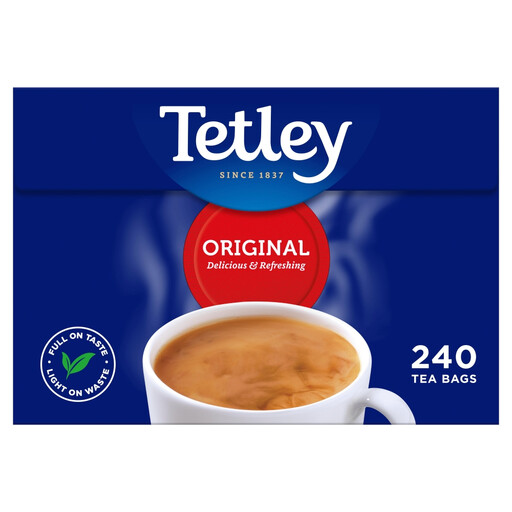
Tetley Original is an everyday black-tea option, including a 240-bag format for hosts planning more cups.
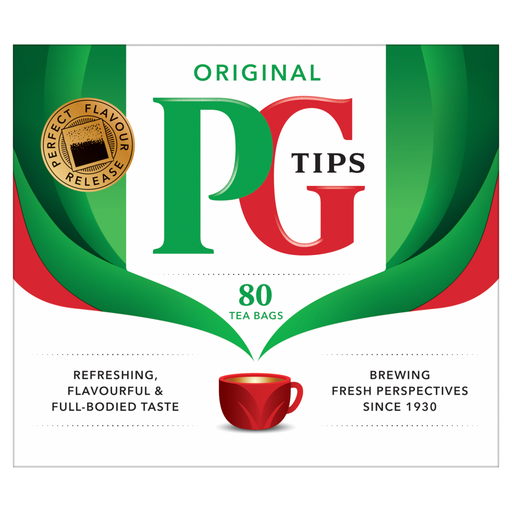
PG Tips Original offers a conventional black-tea blend for a familiar main serving.
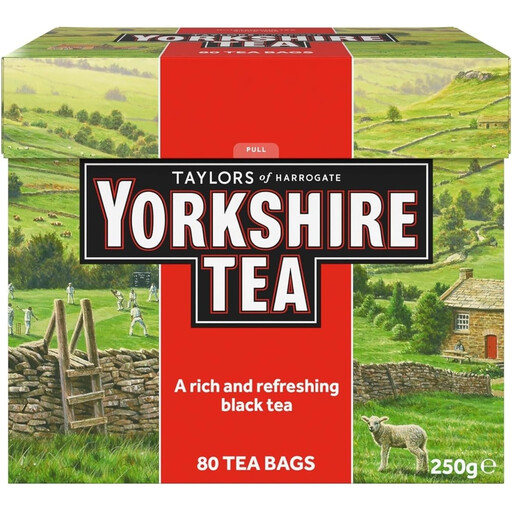
Yorkshire Tea offers standard, Gold, decaffeinated and hard-water variants, so the variant name matters when choosing a pack.
Twinings describes its English Breakfast blend as full-bodied with a light finish and also offers a decaffeinated English Breakfast product.
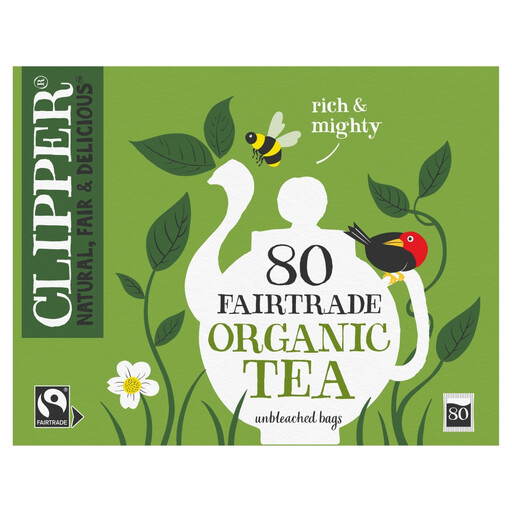
Clipper describes its Everyday tea as an organic and Fairtrade black-tea blend.
Typhoo’s Everyday One Cup format is intended for individual-cup preparation.
These packs cover everyday black tea, a decaffeinated choice and an organic and Fairtrade choice for coffee-morning service. Match the bag count to expected cups, and check the instructions on the pack you buy.
 No image available
An everyday black tea for the main coffee-morning serving; the product description includes plain tea and tea with milk or sugar. The listing gives a two-to-three-minute brew and an 80-bag count. Estimate expected cups before choosing the pack size.
 No image available
A decaffeinated black-tea option to keep separate from the main blend. The 80-bag listing describes the tea as organic and Fairtrade. Follow the current pack’s brewing instructions; if a guest needs to avoid caffeine entirely, check its caffeine statement with them.
 No image available
Another everyday black-tea choice for a main serving. This 80-bag listing gives a three-to-five-minute infusion range; make a trial cup to settle on a standard brewing time for your guests.
 No image available
An everyday black tea for hosts who want to consider organic and Fairtrade sourcing. The listing gives 80 bags and describes both credentials; check the current pack if either is essential to your choice, and follow its brewing instructions when serving.
 No image available
An everyday black-tea pack to consider when you expect more cups or hold coffee mornings regularly. It contains 240 bags. Estimate the cups you will serve and how you will store the remainder; use the current pack’s instructions to set a brewing time.
Start with one bag for each cup you expect to make, not one for each guest. That follows the UK Tea & Infusions Association’s single-cup guidance; allow for guests who may return for another cup.
Make a trial cup using the exact pack’s brewing instructions, then use the same starting time during service. Product guidance differs: Typhoo gives a one-to-five-minute range for its One Cup tea, while Twinings gives two to three minutes for English Breakfast. Guests who prefer a stronger cup can ask for a longer brew.
Offer a separate, clearly labelled decaffeinated black tea if guests want a lower-caffeine version of a familiar drink. Do not call it caffeine-free without support from the current pack label; this matters particularly if a guest needs to avoid caffeine entirely.
Choose the bag count against expected cups and how often you will use any remainder. A 240-bag pack may suit repeated or larger gatherings, while an 80-bag pack may be easier to match to a smaller event; check the pack’s storage instructions for leftover tea.
Check the labels for the exact tea, milk, plant drinks and food you serve, rather than relying on the tea pack alone. The Food Standards Agency states that retail and catering food businesses must provide allergen information and follow applicable labelling rules. Whether those duties apply to a particular coffee morning depends on how the event operates.