Hosts serving different tea preferences
Put out a regular black tea and a clearly labelled alternative that suits your guests, such as decaf or a blend intended for hard water. This gives people a choice without making every cup the same.


For a Sunday brunch with varied tea preferences, put out tea bags as the main tea option: a regular black tea and a distinct alternative let guests choose without a pod machine. Coffee pods can sit alongside them if you have the compatible machine, but they do not replace a tea choice. Check disposal instructions for the particular tea bags and pods before deciding what will work with your local collection options.
Put out a regular black tea and a clearly labelled alternative that suits your guests, such as decaf or a blend intended for hard water. This gives people a choice without making every cup the same.
Coffee pods can add another drink to the table if you have the compatible machine. Keep tea bags available for guests who want tea, and check how the used pods can be collected locally.
Check the exact pack instructions for tea bags and the collection route for pods. Recycle Now notes that some plant-based tea-bag seals need industrial composting, while single-use pods are not usually accepted in household recycling.
Choose when: Several guests want tea, but not necessarily the same blend or caffeine option.
Allow for: A kettle, cups and pack-specific disposal instructions; a compostable claim does not automatically mean home composting is suitable.
Choose when: You already have the compatible machine and want to offer pod-made coffee as well as tea.
Allow for: Machine-specific pods and a separate disposal check; Recycle Now says used pods are not usually accepted in household recycling.
| Priority | What to check | Your needs |
|---|---|---|
| Guest choice | Check the blend and whether an alternative is explicitly labelled decaf. If hard water affects your usual brew, look for a blend made for that water type; Yorkshire Tea describes its Hard Water blend as a distinct option. | I want guests to choose between a regular black tea and an alternative that meets a real preference, rather than guessing from the flavour name. |
| Serving format | Compare the tea-bag count with the number of cups you expect to make. For pods, check the named machine system and pod count; a coffee pod is an addition to tea service, not a tea substitute. | Several people may ask for another cup, so I want a format I can prepare repeatedly with the equipment already in the kitchen. |
| Disposal | Read the tea-bag pack for composting instructions and check which collections accept it locally. Recycle Now says single-use pods are not usually accepted in household recycling; check a dedicated route for your pod type and postcode. | After brunch, I need to know where the used bags or pods can actually go, rather than relying on a general biodegradable or recyclable claim. |
| Product claims | Check organic, Fairtrade or Rainforest Alliance wording on the specific product, not just the brand. Compare the stated ingredients and certification claims on the pack you intend to buy. | If a sourcing claim matters to me, I want it to apply to the tea I put on the table. |
Recycle Now explains that plant-based plastic used to seal some tea bags needs industrial processing to break down completely. A broad biodegradability claim is not a home-composting instruction.
Follow the pack and your local collection rules. If home composting matters, check specifically for a suitable home-compostability label.
Pods made for a different machine system will not meet the intended serving plan. Recycle Now also says used pods are not usually accepted in household recycling.
Check machine compatibility before buying, then use the pod type and postcode to check the applicable collection route, including Podback where relevant.
A dedicated pod route may require separate sorting or a drop-off.
A standard black tea does not cover every preference. Yorkshire Tea identifies separate Decaf and Hard Water blends, while Clipper lists an Organic & Fairtrade Everyday tea.
Start with a regular tea, then add one clearly different option that matches your guests or your tap water.
These brand ranges can help you decide which kind of tea to offer; the claims below apply to the named products or ranges, not every tea sold under each brand.
A regular black-tea option with a separately named decaffeinated product.
An Original black-tea option available in named 80-bag listings.
A range with distinct Decaf, Hard Water and Yorkshire Gold choices.
An English Breakfast tea-bag option for a familiar black-tea selection.
An Everyday black-tea option for shoppers seeking stated organic and Fairtrade attributes.
A standard black-tea-bag option with a stated sourcing claim.
These options include tea bags for different brunch preferences and one coffee pod product for use alongside tea with a compatible Tassimo machine.
 No image available
A separately labelled decaf black-tea option for guests who do not want the regular tea. The listing states 80 bags and makes organic and Fairtrade claims. Check the pack and local collection rules for disposal.
 No image available
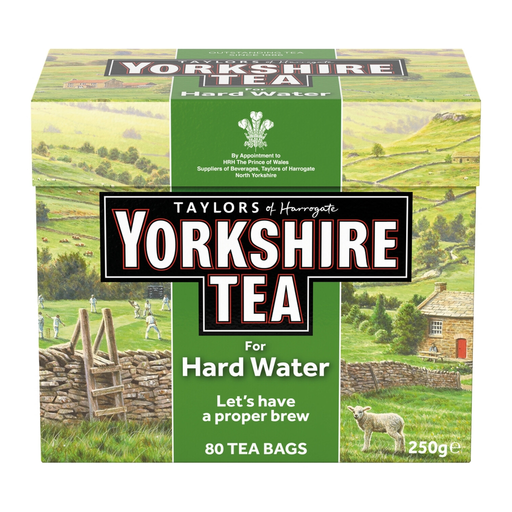
Consider this blend when serving tea with hard tap water. The product is identified as Yorkshire Tea for Hard Water in an 80-bag pack; that water-specific positioning is not a reason to choose it for every household. Check pack-specific disposal instructions.
 No image available
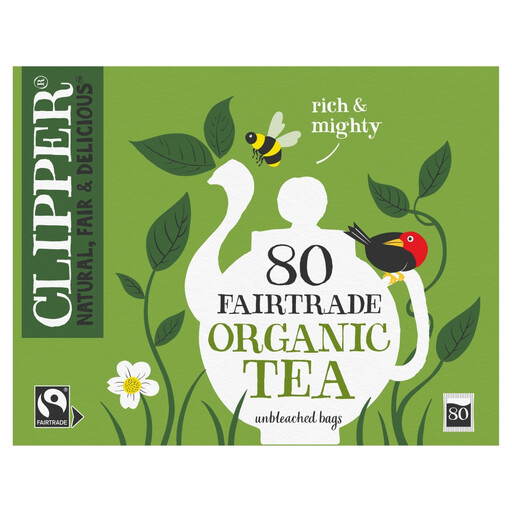
A regular black-tea choice when you want the product’s stated organic and Fairtrade attributes. The listing identifies organically grown black tea and 80 bags. It is not labelled decaf; check the pack for disposal instructions.
 No image available
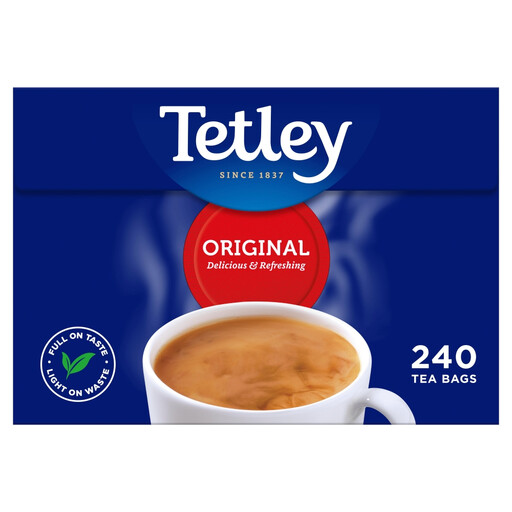
A regular black tea in a 240-bag pack for repeated servings. Add a separate option if guests want decaf or a different blend, and follow the pack and local collection instructions for used bags.
 No image available
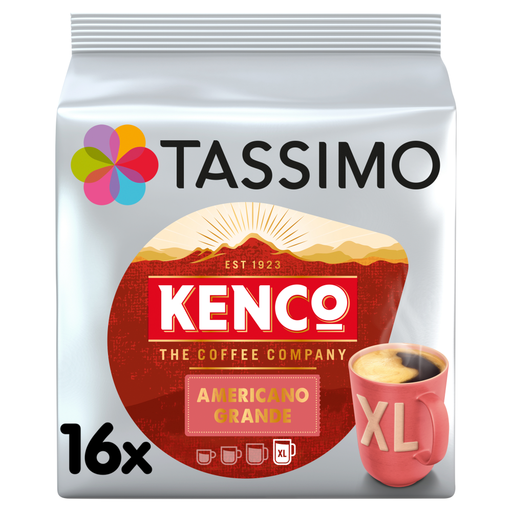
A coffee option alongside tea if you have a Tassimo coffee machine. The pack contains 16 pods; it does not provide tea or work as a substitute for tea bags. Check the relevant recycling route for these pods and your postcode.
Use that collection only if your local service accepts the particular tea bags, and follow the pack instructions. Recycle Now explains that plant-based plastic used to seal some bags needs industrial processing, so a compostable bag is not automatically suitable for home composting.
Usually not: Recycle Now says single-use pods are not normally accepted in household recycling collections. Check the dedicated route for your pod type instead of placing used pods in the household recycling bin.
Check your machine and pod system using Podback’s Recycle Checker, then enter your postcode to see the available route. A collection option for one participating system or location does not establish a route for every pod.
Look for a blend explicitly made for hard-water areas. Yorkshire Tea says minerals in hard water can make tea darker and thicker and positions its Hard Water blend for that condition; check whether it is relevant to the water you will use.
Put out a separately labelled decaf tea rather than treating a milder-sounding blend as decaffeinated. Yorkshire Tea identifies a Decaf range, and Tetley has a separately named Decaffeinated Tea Bags product; check the exact pack when buying.