Hosts preparing an arrival supply
Tea bags let tea-drinking guests make a cup with hot water and a mug, without identifying a coffee-machine system. A welcome tray can also include other refreshments, provided their original labels remain available.


For a holiday cottage with a kettle, ordinary black tea bags are a practical starting point for guests who drink tea; a separately labelled decaf pack adds another choice without changing how they make it. Offer coffee pods as well if the cottage has a working machine and you can identify its capsule system: Nespresso Original, Nespresso Vertuo and Dolce Gusto pods cannot be treated as one interchangeable format. Keep the packaging for any milk, biscuits or other refreshments available so guests can check ingredients and allergens.
Tea bags let tea-drinking guests make a cup with hot water and a mug, without identifying a coffee-machine system. A welcome tray can also include other refreshments, provided their original labels remain available.
Keeping regular black tea and clearly labelled decaf separate gives guests a choice while retaining the same basic brewing method. Choose pack quantities with the cottage’s booking frequency in mind.
Identify the installed machine’s exact system before stocking capsules, and provide brief instructions for guests. Tea bags remain a separate option for those who do not want pod coffee.
Start with the equipment in the cottage, then choose the tea varieties and pack sizes that suit how often guests are likely to use them. Treat coffee capsules as a machine-specific addition.
| Priority | What to check | Your needs |
|---|---|---|
| Arrival drinks | Check that guests have a kettle, mugs and accessible tea bags. Yorkshire Tea’s preparation instructions use a tea bag and hot water in a mug. | I want tea-drinking guests to be able to make a cup on arrival without working out a machine. |
| Tea choice | Identify regular and decaf packs separately. Check the decaf pack for its own caffeine statement and brewing instructions. | Some guests may prefer decaf, particularly for an evening drink; I want them to be able to tell the two teas apart. |
| Pack quantity | Compare the bag count with booking frequency and available dry storage. Rotate opened stock and follow the pack’s storage directions. | A larger box makes sense if it will be used regularly; for fewer bookings, I would rather stock a quantity I can manage. |
| Coffee pods | Read the machine’s brand and system name before ordering. Nespresso says its Original and Vertuo capsules fit their respective systems; Dolce Gusto specifies capsules for its own machines. | If I provide pod coffee, guests need capsules that fit the cottage’s machine and clear instructions for using it. |
| Food information | Retain current packaging for milk, biscuits and other supplied foods so ingredients and allergens can be checked. Check the applicable requirements before preparing or repacking food. | I want guests to be able to read the label on the actual refreshments supplied, not rely on an old welcome-tray list. |
Nespresso states that Original and Vertuo capsules are not interchangeable, and Dolce Gusto specifies its own machine system. The wrong capsules may be unusable in the cottage’s machine.
Record the machine’s exact system, buy capsules for that system and leave short instructions beside it.
Regular black tea does not provide a decaf choice, while an infrequently used cottage may take longer to get through an opened bulk pack.
Size the regular-tea supply to expected use and, if offering decaf, keep a clearly labelled pack alongside it.
Bag-material and disposal statements relate to particular products. Twinings, for example, describes its English Breakfast Decaffeinated bags as industrially compostable; that is not a claim about every tea bag or every local waste service.
Check the delivered pack and local collection rules before giving guests disposal instructions.
Milk portions, biscuits and flavoured products can have different ingredients and allergens. An old contents list cannot show what is on the packs currently supplied.
Keep original packaging accessible. If you prepare or repack food, check which food-information requirements apply to that activity.
These are references for particular tea types and packs, not a list of brands available in every cottage-sized format.
An everyday black-tea option where a larger supply is useful.
Offers regular black tea and a separately identified decaf option.
Has distinct decaf and Hard Water teas alongside its regular range.
Its English Breakfast Decaffeinated tea is available in a 20-envelope format.
Has product-specific organic, Fairtrade and tea-bag-material claims.
Offers an 80-bag decaf pack as an alternative to individually enveloped tea.
These tea-bag packs cover regular black tea and separately identified decaf choices for a cottage with a kettle. If you also provide pod coffee, choose its capsules by the installed machine’s system.
 No image available
An 80-bag decaf choice to keep separate from regular tea on the welcome tray. Check the delivered pack’s caffeine statement if a particular level matters to a guest, and store the tea cool and dry.
 No image available
This 80-bag decaf pack offers a separately identifiable black-tea choice. Check the delivered pack’s current certification, bag-material and disposal wording before describing those attributes to guests.
 No image available
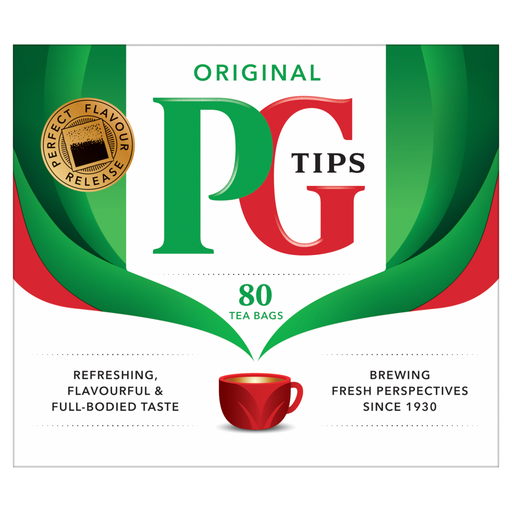
An 80-bag regular black-tea pack for a kettle-based guest supply, rather than a decaf choice. Its bag-material information refers to industrial composting conditions; check local disposal guidance before putting instructions on the welcome tray.
 No image available
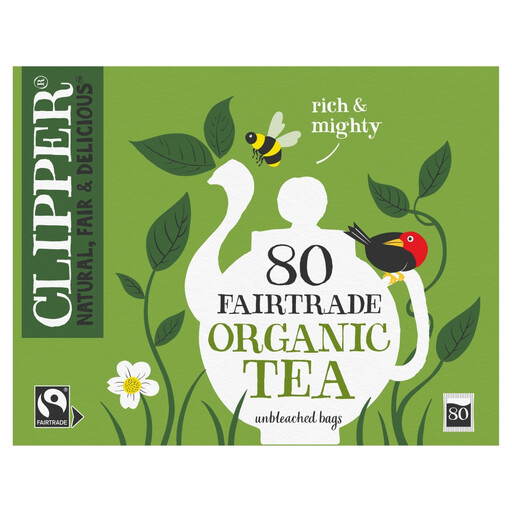
This 80-bag black-tea pack is an option when the host wants the stated organic and Fairtrade attributes alongside a regular tea supply. Use a separately labelled product if offering decaf, and check the delivered pack for current certification or disposal wording.
 No image available
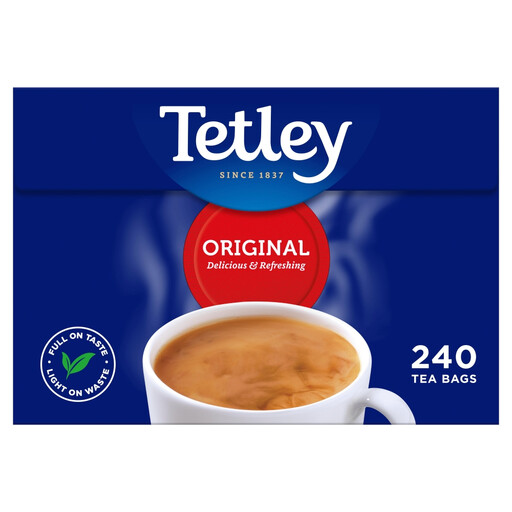
A larger regular black-tea supply to consider for frequent changeovers. Check whether the cottage will use 240 bags promptly, store them cool and dry, and add a separate pack if decaf is part of the guest offer.
Not for guests who want tea: a tea bag brews with hot water in a mug or teapot, whereas a coffee capsule needs its compatible machine. Offer pods as an additional coffee choice if the machine is provided and maintained.
Check whether it is an Original or Vertuo machine before ordering. Nespresso states that Original machines use Original capsules and Vertuo machines use Vertuo capsules; the two systems are not interchangeable.
A separate decaf pack gives guests a black-tea choice without requiring different brewing equipment. Keep it clearly labelled and choose a pack size that suits expected use; check its own label for caffeine information and brewing directions.
Keep the current packaging available for supplied milk, biscuits, flavoured drinks and other foods so guests can read ingredients and allergens. If you prepare or repack refreshments, check the food-information requirements that apply to that activity rather than relying on a generic tray inventory.
No universal disposal route follows from a compostability claim. Twinings describes its English Breakfast Decaffeinated bags as industrially compostable; check the specific pack and what the local collection accepts before giving guests bin instructions.