What should you check before choosing?
Start with what goes into your finished cup, then decide whether regular black tea, decaf black tea or an infusion fits your caffeine preference.
Regular black tea
Consider it when: You want an everyday black-tea brew and do not need to reduce caffeine.
Bear in mind: Regular tea contains caffeine; the amount in a cup varies with the tea and how it is brewed, according to Tetley.
Decaf black tea
Consider it when: You want a black-tea brew while reducing caffeine.
Bear in mind: Decaf tea can retain some caffeine, so check the particular product if you need a specific limit.
Herbal or fruit infusion
Consider it when: Avoiding caffeine matters more to you than having the taste of black tea.
Bear in mind: Twinings says most herbal and fruit infusions are naturally caffeine-free, but identifies mate and guarana as exceptions.
| Priority |
What to check |
Your needs |
| Sugar in the cup |
Check what you add after brewing, including sugar, syrup or sweetened creamer. If you use a brewed nutrition figure, check whether it includes milk or other additions. |
I want a tea I enjoy without routinely adding sugar. Diabetes UK recommends cutting back on sugar in tea, while the NHS suggests reducing it gradually if that helps. |
| Caffeine |
Check whether the exact pack is regular, decaf or labelled caffeine-free. For an infusion, read the ingredients for mate or guarana; do not assume decaf contains no caffeine. |
For an evening cup, I may prefer less caffeine without giving up black tea. If I need to avoid caffeine altogether, I would check an infusion’s ingredients instead. |
| Blend and preparation |
Compare the ingredient list and brewing directions for the specific variety. Keep dry tea bags distinct from bottled or ready-to-drink tea when comparing nutrition information. |
A fruit-flavoured name is not enough for me to judge what is in the bag or in the prepared drink. |
| Everyday format |
Check the bag count against how often you make tea, and follow the pack’s storage directions. Bag count does not establish a nutritional advantage. |
Tea bags suit my usual brewing routine. In the UK Tea & Infusions Association’s 2024 Tea Census of over 1,000 adults in Britain, 84% chose a tea bag to make black tea; that finding describes format preference, not diabetes-specific needs. |
Joybuy tea-bag options
These options include decaf black tea and herbal or fruit infusions. Compare the exact pack when caffeine content, ingredients or nutrition for the brewed cup matter to your choice.
 No image available
Twinings Pure Peppermint 80 Pack
Consider this peppermint infusion if you want a change from black tea in an 80-bag pack. Check the pack’s caffeine and brewed nutrition information if either determines your choice; additions to the cup are separate.
View on Joybuy
 No image available
Twinings Lemon & Ginger Tea Bags 20 Pack
This 20-bag lemon and ginger option suits a preference for a flavoured infusion rather than black tea. Read the exact ingredients and brewed nutrition information instead of judging sugar content from the flavour name.
View on Joybuy
 No image available
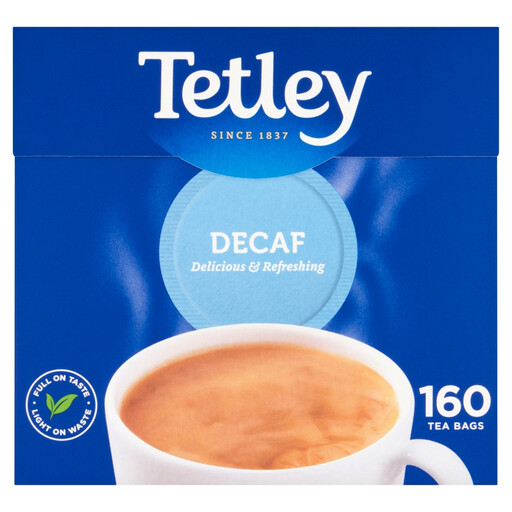
Tetley 160 Decaf Tea Bags 500 g
This 160-bag, 500 g decaf pack is a black-tea choice for shoppers reducing caffeine. Decaf does not necessarily mean caffeine-free: check this pack’s residual caffeine information if you need a particular limit.
View on Joybuy
 No image available
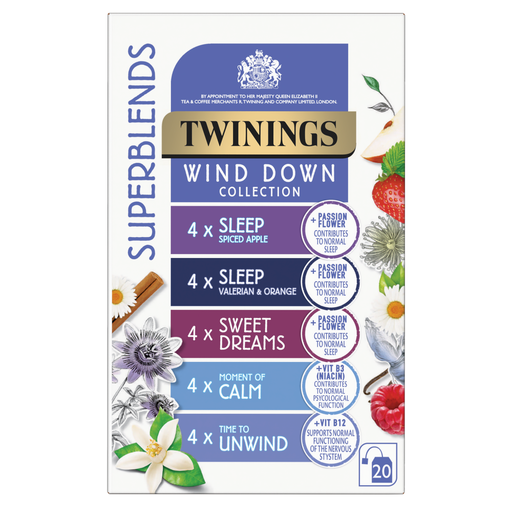
Twinings Superblends Wind Down Collection 20 Tea Bags 33.2 g
This mixed 20-bag, 33.2 g collection offers several infusion varieties. Check each variety’s ingredients and nutrition information separately; one named blend lists liquorice root.
View on Joybuy
 No image available
Clipper Organic Fairtrade Decaf Everyday 80 Tea Bags 277 g
This 80-bag, 277 g decaf black-tea pack suits shoppers who want to keep an everyday black-tea routine while reducing caffeine. Check the exact pack if residual caffeine or brewed nutrition figures are important to your decision.
View on Joybuy
Questions about tea-bag choices
Do I need tea bags labelled for people with diabetes?
No special tea-bag blend is generally needed. Diabetes UK advises cutting back on sugar added to tea and discourages relying on foods labelled ‘diabetic’. Choose a tea you enjoy, then consider how you prepare the cup alongside your individual care plan.
Can I choose regular black tea if I manage diabetes?
Regular black tea remains an option if caffeine suits you. Diabetes UK advises cutting back on sugar in tea; check sugar, syrup or sweetened creamer added after brewing rather than treating the dry tea bag as the finished drink.
When does decaf make more sense than regular black tea?
Choose decaf black tea when you want a black-tea brew but prefer less caffeine. It can still contain some caffeine, so check the particular product if you need a specific limit; Tetley gives an approximate residual-caffeine figure for its own decaf tea, not every decaf brand.
Are herbal and fruit tea bags always caffeine-free?
No. Twinings says most herbal and fruit infusions are naturally caffeine-free, but identifies mate and guarana as exceptions. Check the ingredients of the exact blend, and assess any sugar you add to the brewed cup separately.
Does a fruit flavour tell me how much sugar is in my tea?
No. Check the exact product’s ingredients and nutrition information, including whether stated values refer to the brewed infusion alone. A dry tea bag and a sweetened ready-to-drink tea are different products, and additions made at home change the finished cup.


