Start with the ingredients and how you make your tea, rather than looking for a special tea bag labelled for diabetes. Diabetes UK includes unsweetened tea among drinks that count towards daily fluids; choose decaf if you personally want less caffeine, and account for milk, sugar or syrups in the finished cup.
Who is this choice for?
People changing what goes into their cuppa
If you are cutting back on sugar in tea, the ingredients in the bag are only part of the decision. Diabetes UK includes unsweetened tea among drinks that count towards daily fluids; consider what you add after brewing, too.
Black-tea drinkers who prefer decaf
A decaffeinated breakfast-style tea may suit an evening or lower-caffeine routine. That preference is separate from whether you add sugar to the cup.
Buyers checking ingredients and sourcing
You may want a plain black-tea ingredient list and also care about organic or Fairtrade sourcing. Those sourcing labels do not describe what you add when preparing the drink.
What should you check?
Decide how you want to prepare the tea, then compare caffeine preference, ingredients and any sourcing details that matter to you.
| Priority | What to check | Your needs |
|---|
| Added sugar | Read the tea ingredients. Consider sugar, syrups and other additions separately from the bag. | I want to change how much sugar goes into my usual cuppa, not just switch tea bags. Diabetes UK includes unsweetened tea among drinks that count towards daily fluids. |
| Caffeine | Check whether the pack says decaffeinated. If a precise caffeine figure matters, check the current pack rather than assuming all decaf teas have the same figure. | An evening brew matters to me, so I would consider decaf; it does not replace checking what I add to the cup. |
| Nutrition basis | Check whether values describe dry tea or tea brewed with water, and whether milk is included. Compare figures only on the same preparation basis. | If I drink tea with milk or sugar, a figure for black tea brewed with water will not describe my finished cup. |
| Sourcing | Look for the specific organic or Fairtrade claim on the product you are considering, alongside its ingredient list. | I care about how the tea is sourced, but I would assess additions to the drink separately. |
| Pack format | Check bag count and pack weight where stated, particularly when comparing differently sized packs. | I want a pack quantity that suits how often I make tea. |
What can be easy to overlook?
-
Looking only for a tea bag labelled for diabetes
That label is not needed to make the distinction between plain tea and sugar added to the mug. Diabetes UK includes unsweetened tea among drinks that count towards daily fluids.
Start with the ingredients and your usual preparation; assess flavoured or milk-containing products on their own labels.
-
Applying black-tea nutrition figures to a milky, sweetened cup
Twinings reports nutrition for one English Breakfast tea brewed with water. Those figures do not include anything added afterwards.
Check the preparation basis on the label, then account for the milk, sugar or other additions you use.
-
Assuming decaf settles the sugar question
Decaffeination addresses caffeine preference; it does not describe how much sugar goes into the prepared drink.
Choose decaf when you want less caffeine, and assess additions to the cup separately.
-
Relying on unsweetened tea during a hypo
Unsweetened tea is not a substitute for the fast-acting sugar described in NHS guidance for low blood sugar.
Follow your individual hypo care plan. NHS examples of drinks that raise blood sugar quickly include fruit juice and sugary fizzy drinks.
Relevant tea brands
These references concern the particular products or ranges described, not every tea sold under each brand.
Twinings
Its cited English Breakfast products offer a standard black-tea example and a decaffeinated option.
- Twinings reports 0g carbohydrate and 0g sugars for its cited English Breakfast tea brewed with water and without milk.
- For the decaffeinated product, check the current pack if a precise caffeine figure matters.
Yorkshire Tea
The brand describes its decaf range as an option for lower-caffeine and bedtime drinking.
- A decaf route is available for drinkers who prefer less caffeine.
- That positioning does not determine what is added to the finished cup.
Clipper
Its cited Organic & Fairtrade Everyday tea lists organically grown black tea.
- Clipper states that Fairtrade tea makes up 100% of the tea content in that product.
- Sourcing credentials do not account for sugar added after brewing.
Typhoo
Its cited Everyday One Cup product is a plain black-tea bag.
- Typhoo lists black tea as the ingredient in the cited 100-bag product.
- If packaging details matter, check the pack offered at purchase.
PG Tips
A cited Original Black Tea listing gives a straightforward ingredient reference.
- ASDA lists black tea as the ingredient for the cited 210-bag product.
- Check the exact variant and preparation basis before applying one product’s figures to another.
Tetley
The cited Original product is an everyday black-tea reference.
- One Stop’s specification for Tetley Original x240 describes its tea as Rainforest Alliance Certified black tea.
- Check the current pack when comparing a different Tetley variant.
Tea bag options on Joybuy
These options include standard and decaffeinated black teas, with organic and Fairtrade options for buyers who also consider sourcing. For every option, additions to the brewed tea remain a separate consideration.
 No image available
Tetley 160 Decaf Tea Bags 500g
Consider this pack if you want decaffeinated tea bags. It contains 160 bags and weighs 500g; check additions to your brewed cup separately.
 No image available
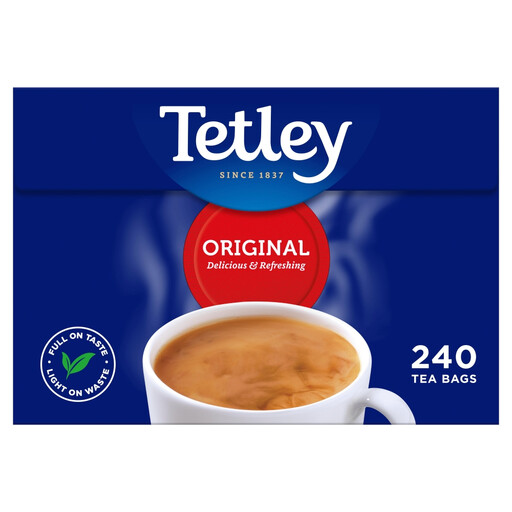
Tetley 240 Original Tea Bags 750g
For a conventional tea-bag choice, this Original pack contains 240 bags and weighs 750g. Assess sugar or milk added after brewing separately.
 No image available
Clipper Organic Fairtrade Decaf Everyday 80 Tea Bags 277g
This combines a decaf tea-bag option with the organic and Fairtrade distinctions in its title. The pack contains 80 bags and weighs 277g; those sourcing terms do not describe additions to the drink.
 No image available
Taylors of Harrogate Yorkshire Tea Decaf 250g
A decaf Yorkshire Tea option for a lower-caffeine preference. The title states 250g; check the pack’s bag count if you are comparing quantities.
 No image available
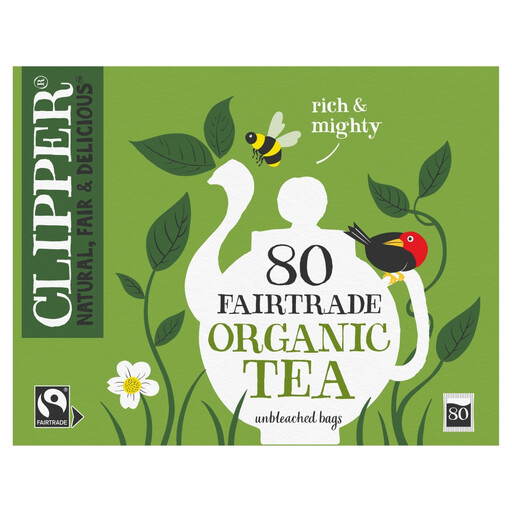
Clipper Organic Fairtrade 80 Tea Bags 232g
Consider this 80-bag, 232g pack if organic and Fairtrade sourcing matter to you. Check any sugar or milk you add to the finished tea separately.
Questions about tea bags and diabetes
Do I need tea bags labelled for diabetes?
No special tea-bag label is needed for this choice. Diabetes UK includes unsweetened tea among drinks that count towards daily fluids, so check the ingredients and consider how you prepare the cup, particularly any added sugar.
Do plain tea and tea with milk and sugar have the same nutrition figures?
No. Twinings’ cited English Breakfast figures describe black tea brewed with water and without milk. Use the relevant nutrition information for anything you add rather than applying those figures to the finished cup.
Should I choose decaf because I have diabetes?
Not automatically. Decaf is a choice if you personally want less caffeine, including for an evening brew; it does not change the need to consider sugar added to the drink.
Can unsweetened tea treat a hypo?
No. Unsweetened tea does not replace the fast-acting sugar described in NHS guidance for low blood sugar. Follow your individual care plan; NHS examples include fruit juice or a sugary fizzy drink.


