First-time household tea buyers
If you do not yet know your preferred blend or brew strength, a moderate pack gives you room to try the preparation instructions before choosing a larger one.


For a first food shop, start with a moderate pack of ordinary black tea if you have no particular caffeine, water or sourcing requirement. Choose decaf when you want to reduce caffeine, a hard-water blend if your tap water affects the brew, or an organic and Fairtrade-standard product if those claims matter to you. A separate jar is optional: follow the storage instructions on the pack you buy.
If you do not yet know your preferred blend or brew strength, a moderate pack gives you room to try the preparation instructions before choosing a larger one.
If you want black tea for an evening routine or are monitoring caffeine intake, compare clearly labelled decaf products and check the current pack for details relevant to your limit.
If hard tap water changes your usual cup, a hard-water blend is worth considering. If organic ingredients or Fairtrade-standard tea matter to you, check those claims on the particular product.
Choose the type of tea that fits your routine, then check the pack size, brewing guidance and storage instructions for the exact product.
| Priority | What to check | Your needs |
|---|---|---|
| Flavour and strength | Check whether the product is an everyday black-tea blend and follow its own brewing time. Yorkshire Tea suggests 4–5 minutes for its brew; Twinings gives different guidance for English Breakfast. | I want to find out whether I prefer tea with milk, a lighter cup or a stronger brew before buying a large pack. |
| Caffeine | Look for a clearly labelled decaffeinated product if reducing caffeine is the aim. Check the current pack when an exact caffeine amount matters; include other foods and drinks when considering a daily total. | An evening tea may call for decaf. If I am pregnant, the NHS advises no more than 200mg of caffeine per day from all sources. |
| Tap water | Consider a hard-water-specific blend if hard water is already affecting your tea. Yorkshire Tea says minerals in hard tap water can make tea darker and thicker. | My usual tea changes noticeably with our tap water, so I want to compare a blend made for that condition. |
| Sourcing and disposal | Check organic and Fairtrade-standard claims on the exact pack. For used bags and packaging, check the pack materials and what your local collection accepts. | Organic ingredients or Fairtrade-standard tea matter to me, but I do not want to assume those claims—or disposal instructions—apply to every product from a brand. |
| Pack and storage | Compare bag counts with how often your household drinks tea. Read the product’s storage instructions before deciding whether a separate container would be useful. | I would rather try a moderate pack first. I only need a jar if it suits the storage instructions and how I use the tea. |
Preparation changes the cup, and manufacturers give different brewing guidance for different teas.
Try a moderate pack using its instructions before committing to more bags than your household is likely to use soon.
A hard-water blend addresses a water-related taste issue; decaf and products with organic or Fairtrade-standard claims answer different priorities.
Choose the specialised option for the condition or attribute you actually care about. Otherwise, start by comparing ordinary black-tea blends and pack sizes.
Decaf is a lower-caffeine route, but a strict daily limit concerns caffeine from all relevant foods and drinks.
Check the current pack when the amount matters. The NHS advises pregnant people not to exceed 200mg of caffeine per day from all sources.
Material claims can apply to a particular product, while collection rules depend on what a local scheme accepts.
Read the exact pack and your local collection guidance before disposing of bags, wrappers or cartons.
These examples show different product routes; a brand name alone does not establish the ingredients, caffeine level or packaging of every pack it sells.
Consider its named Hard Water blend if your household already notices a water-related change in tea.
Its English Breakfast and English Breakfast Decaffeinated packs offer distinct standard and decaf black-tea choices.
Its Everyday 40-bag product is a specific option for shoppers seeking organic black tea traded in compliance with Fairtrade standards.
Tetley offers different tea types, including a decaffeinated black-tea product.
These packs cover ordinary black tea, decaf, a hard-water blend and products labelled organic and Fairtrade. Choose by the need that applies to your household, then compare the bag count and pack details.
 No image available
A decaffeinated black-tea choice for a lower-caffeine routine. The pack contains 80 bags and weighs 250g. If you need to track caffeine closely, check the current pack and your intake from other sources.
 No image available
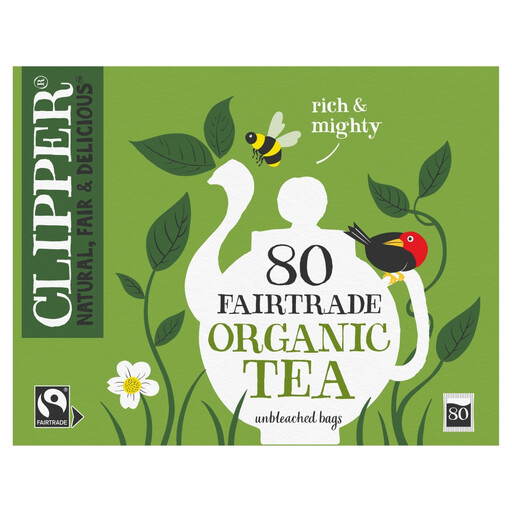
For shoppers prioritising the organic and Fairtrade attributes stated on this black-tea listing. The pack contains 80 bags and weighs 232g; check its current label for the product claims and storage instructions.
 No image available
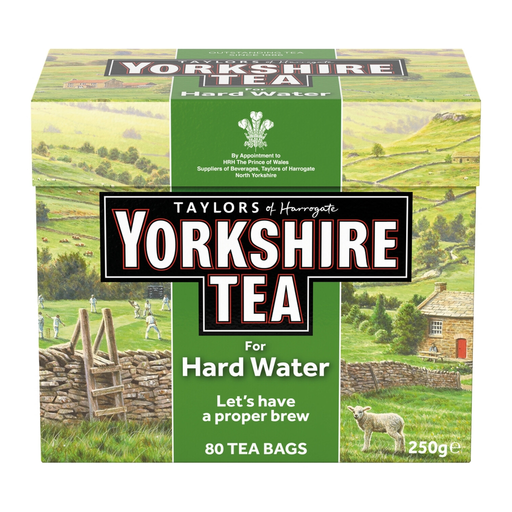
A hard-water-specific black-tea option if your tap water affects your usual brew. The pack contains 80 bags and weighs 250g. Its intended use is not a promise that every household will prefer its flavour.
 No image available
This decaffeinated black-tea listing also makes organic and Fairtrade claims, combining two distinct shopping priorities. The pack contains 80 bags and weighs 277g. Check its current label if a precise caffeine amount or sourcing claim matters to you.
 No image available
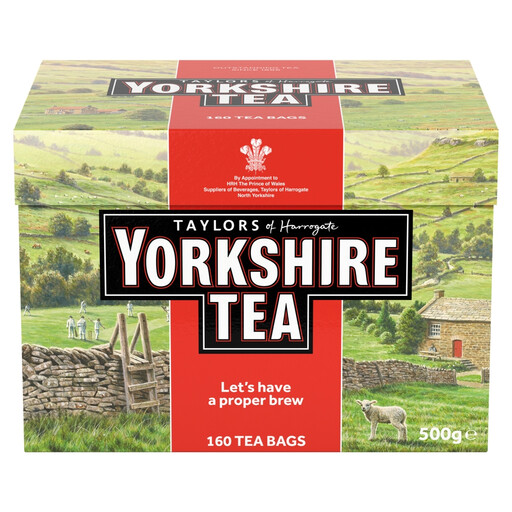
An ordinary black-tea option if you already expect to use a larger pack. It contains 160 bags and weighs 500g—more bags to commit to than the 80-bag options shown here. The listing warns of possible milk, mustard, peanut, soya and gluten sources; check the current pack if these matter to you.
No separate jar is necessary as a default purchase. Follow the storage instructions on your chosen pack; for example, a Yorkshire Tea product specifies cool, dry storage in its original airtight packaging.
A best-before date concerns quality, not the same safety rule as a use-by date, according to GOV.UK guidance. Check the date and follow the pack’s storage instructions when deciding how much tea to buy.
Consider caffeine from tea alongside other foods and drinks: the NHS advises pregnant people not to have more than 200mg of caffeine per day from all sources. A decaf product may help with that choice, but check its current pack rather than assuming the label supplies an exact caffeine amount.
Yes, check the current pack if an ingredient or allergen matters to you, particularly when choosing flavoured or blended tea. UK Food Standards Agency guidance requires specified allergens to be declared when they are present as ingredients in prepacked food.
Do not assume the same disposal route works for every bag and wrapper. Check the materials and instructions on the exact pack, then check which materials your local collection accepts.