Hosts preparing an arrival tray
Tea bags give guests a way to make a hot drink soon after arriving. Hospitality supplier Out of Eden includes tea alongside coffee, sugar, milk and biscuits in its example of a self-catering welcome pack.


For a general holiday-cottage welcome supply, start with an everyday black tea and choose a bag count that fits expected guest use, storage space and changeovers. Add a distinct breakfast blend, decaf or another specialist option when guest preferences or the cottage’s circumstances give you a reason to do so; no single blend will cover every preference.
The right supply depends on whether the main task is preparing an arrival tray, maintaining stock between bookings or allowing for different guest preferences.
Tea bags give guests a way to make a hot drink soon after arriving. Hospitality supplier Out of Eden includes tea alongside coffee, sugar, milk and biscuits in its example of a self-catering welcome pack.
These hosts need a bag count that fits likely use and the time between stock checks. A larger box is useful only if there is suitable storage and the tea will be used.
A standard black tea can be the starting point, with a separately labelled alternative where guest preferences or a known local water issue justify one.
Choose the general guest tea first, then decide whether another blend serves a specific need. Match the pack count and any preparation notes to the product you actually put out.
| Priority | What to check | Your needs |
|---|---|---|
| Arrival tea | Choose an identifiable everyday blend. Check that guests can find the tea and any milk or sugar you intend to supply. | I want guests to be able to make a straightforward cup when they arrive, without having to shop first. |
| Blend and brewing | Decide whether an everyday tea or a named English Breakfast blend fits the intended cup. Follow the selected pack’s brewing directions: ASDA lists one to two minutes for PG Tips Original 40 bags, while Twinings gives two to three minutes for a strong cup of its English Breakfast 300-bag product. | If I put out brewing instructions, they need to match the tea on the tray rather than assume every blend takes the same time. |
| Bag count | Compare the count with likely cups per booking and your changeover routine. The cited PG Tips Original 40-bag and Tetley Original 420-bag products illustrate how widely formats can differ. | For frequent bookings, I need enough bags between stock checks; with occasional use, I need a pack I can store appropriately. |
| Specialist choices | Check the exact product before adding an organic, decaf or hard-water-specific option. A hard-water blend is relevant only if the cottage has a known local water issue. | I would add another tea for a clear guest preference or property-specific reason, rather than assume every visitor wants the same alternative. |
| Pack information | Check the current ingredients, allergen information, best-before date and storage directions on the physical pack. Check disposal instructions for the exact tea bags and the local collection service. | I want guests to be able to inspect the packaging, particularly when I also leave out milk, biscuits or a separately labelled tea. |
An everyday black tea does not offer the same choice as decaf or a distinct breakfast blend. A tea labelled for hard water addresses a location-specific consideration, not every cottage.
Start with the general supply, then add an alternative when guest feedback, an established preference or the property’s water makes it relevant.
Bag counts vary substantially: the cited product formats run from 40 to 420 bags. Either size can be awkward if it does not fit use between changeovers.
Estimate likely cups per booking, check stock before each arrival and follow the pack’s storage directions.
Product directions differ. Yorkshire Tea advises four to five minutes for its tea and recommends adding milk after brewing when making it in a mug; that timing should not be applied automatically to another brand.
If you leave guests a preparation note, use the directions on the tea currently stocked.
Guests may need to inspect the ingredients or packaging of the food actually supplied, and disposal depends on the specific bag and local collection arrangements.
Keep the current packaging accessible and check its ingredients, allergen information, date, storage and disposal directions when replenishing supplies.
These examples describe particular products or ranges, not a claim that every tea from a brand has the same ingredients, bag format or brewing directions.
Tetley Original is an everyday black-tea example available in a 420-bag format in the cited ASDA product specification.
The cited PG Tips Original product is an everyday black tea in a 40-bag format.
The range includes standard tea and a separately named hard-water product; the latter matters only where the cottage’s water makes it relevant.
Twinings English Breakfast provides a named breakfast-blend choice; its cited 300-bag product lists 100% black tea.
Clipper Organic Everyday Tea is a product-specific option for a host seeking organically grown black tea.
Typhoo’s cited Premium and One Cup products offer different stated amounts of black tea per bag.
These options include larger everyday-tea packs and smaller packs labelled organic, decaf or for hard water. Choose a specialist pack for the need it names, and check its current packaging before leaving it for guests.
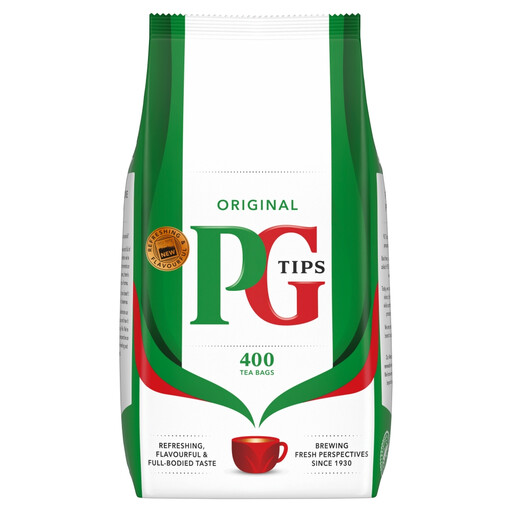 No image available
A 400-bag everyday-tea option to consider when repeat bookings justify that quantity. Check the current pack for its brewing and storage directions before putting it on the arrival tray.
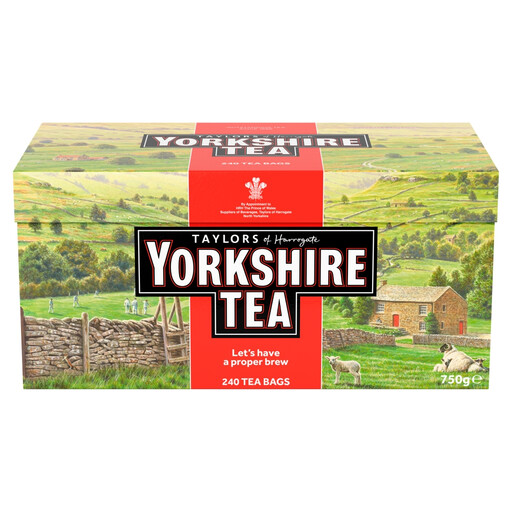 No image available
A 240-bag standard-tea option for an arrival supply that is checked and replenished across bookings. Use the directions on this pack if leaving guests a brewing note.
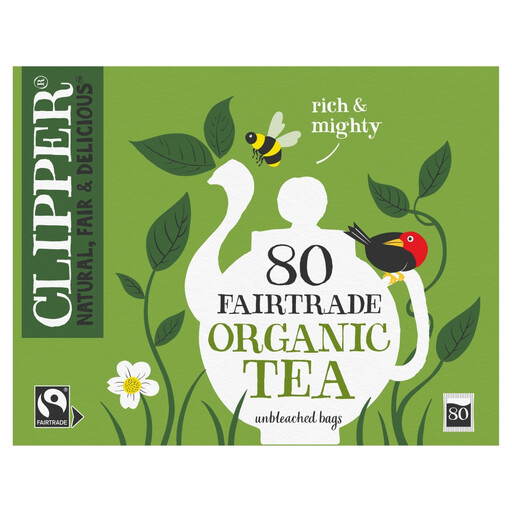 No image available
An 80-bag option where the labelled organic and Fairtrade distinctions matter to the host. Check this exact pack’s bag-material and disposal information if those are part of the cottage’s purchasing criteria.
 No image available
An 80-bag decaf-labelled choice to offer separately when guests may prefer it. Keep its label available, and check the current pack if a guest needs specific caffeine information.
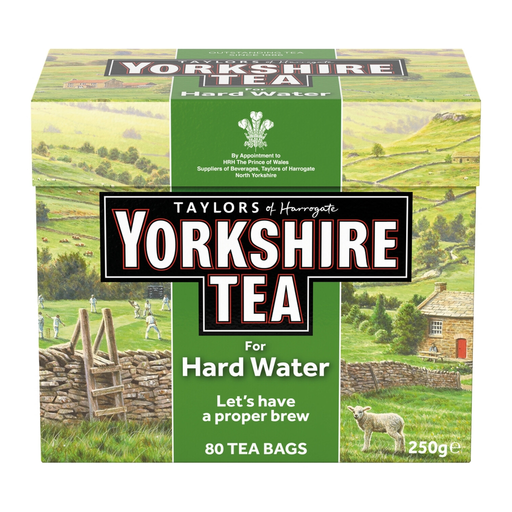 No image available
An 80-bag black-tea option labelled for hard water, relevant when the cottage has a known hard-water brewing issue. The label identifies its intended use; it does not establish how it compares in the cottage’s water.
An everyday tea is a practical starting point. Hospitality supplier Out of Eden describes self-catering welcome packs containing tea bags, coffee, sugar, milk and biscuits; choose what to put out according to the supply you can maintain between arrivals.
Choose a large box when expected use, changeovers and storage make its bag count practical. The cited product formats range from PG Tips Original 40 bags to Tetley Original 420 bags, so check how many cups are likely between replenishments rather than choosing by box size alone.
A short note can help, provided it matches the tea supplied. Yorkshire Tea recommends four to five minutes for its tea and adding milk after brewing a mug, while the cited PG Tips Original and Twinings English Breakfast products give different brew times; check the current pack before writing a timing on the tray.
Offer a clearly labelled decaf tea when you want to accommodate guests who prefer to limit caffeine, alongside or instead of regular tea as appropriate for your guests. The NHS advises pregnant people to limit caffeine from all sources to 200mg a day and identifies tea as one source; a decaf label should not be treated as a statement of a particular remaining caffeine amount.
Keep the current packaging available so guests can inspect ingredients, allergen information and the best-before date for the products you supply. Check milk, biscuits and any alternative tea separately rather than assuming information on one pack covers everything on the tray.