Someone whose favourite tea you do not know
An everyday or English Breakfast black tea keeps the choice close to a familiar, unflavoured cup. Save Earl Grey for someone you know enjoys bergamot and citrus notes.


If the recipient usually drinks plain black tea, start with an everyday or English Breakfast blend; choose Earl Grey when you know they enjoy its citrus-led flavour. A labelled decaf blend makes more sense if they prefer lower-caffeine tea, while a hard-water blend addresses a particular brewing issue rather than a general preference.
The recipient’s usual cup is a more useful starting point than how distinctive the gift looks.
An everyday or English Breakfast black tea keeps the choice close to a familiar, unflavoured cup. Save Earl Grey for someone you know enjoys bergamot and citrus notes.
Look for a clearly labelled decaf black tea rather than assuming an ordinary blend meets their preference. Yorkshire Tea, Clipper and PG Tips describe dedicated decaf options.
A hard-water-specific blend is worth considering if their usual tea brews darker or thicker than they like. Yorkshire Tea describes this as an effect of minerals in the water.
Match the flavour to the recipient first, then check any decaf, water or tea-bag disposal requirements on the exact pack.
| Priority | What to check | Your needs |
|---|---|---|
| Flavour | Check whether the tea is an everyday or English Breakfast black tea, or an Earl Grey with added flavouring. Twinings lists 100% black tea for its English Breakfast and bergamot and lemon flavourings for its Earl Grey. | I would choose a familiar black tea if I am unsure of their taste. If they already enjoy fragrant, citrus-led tea, Earl Grey becomes a more considered choice. |
| Decaf | Look for an explicitly labelled decaf blend and check its ingredients if flavourings matter. Yorkshire Tea and Clipper describe dedicated decaf black teas. | They usually choose decaf, or they would prefer a lower-caffeine option for later in the day. |
| Water | Consider a hard-water-specific blend only where mineral-rich water affects the brew. Yorkshire Tea says its Hard Water blend is intended to balance that effect. | Their ordinary tea tends to brew darker or thicker than they like at home. |
| Tea-bag disposal | Read the exact pack’s material and disposal instructions. Industrial compostability does not establish home compostability; check the local council’s food-waste guidance too. | I want to know which disposal route is available where the recipient lives, rather than relying on a general claim about tea bags. |
Twinings lists bergamot and lemon flavourings in its Earl Grey, giving it a different flavour profile from its English Breakfast black tea.
Choose Earl Grey when you know the recipient likes that aromatic, citrus-led style; otherwise consider their usual plain black tea.
An everyday black tea and a product labelled decaf are different choices. Yorkshire Tea and Clipper each describe a dedicated decaf blend.
Check the exact pack for decaf wording, then choose a flavour profile the recipient would enjoy.
Yorkshire Tea presents its Hard Water blend as a response to minerals that can make tea brew darker and thicker.
Choose it for a recipient who has that water-related brewing issue, not merely because it sounds more specialised.
Twinings describes industrial compostability for its tea bags, while Tetley describes food-waste-scheme conditions for part of its portfolio. Neither statement establishes a disposal route for every pack or address.
Read the exact pack and the recipient’s local council guidance. North London Waste Authority, for example, says tea bags can go in a food-waste bin where the council provides that service.
These ranges illustrate different blend choices; check the specific product rather than assuming every tea from a brand has the same flavour or tea-bag material.
An everyday black-tea range that also includes Decaf and a Hard Water blend.
English Breakfast and Earl Grey offer a choice between an unflavoured black tea and a citrus-led blend.
A black-tea range including English Breakfast, Everyday and decaf options.
A range with Original, Gold and decaf black-tea choices.
A tea brand whose owner describes a range for different tastes and occasions.
These options cover everyday black tea, English Breakfast, Earl Grey, decaf and a hard-water-specific blend. Choose the route that fits the recipient before comparing packs.
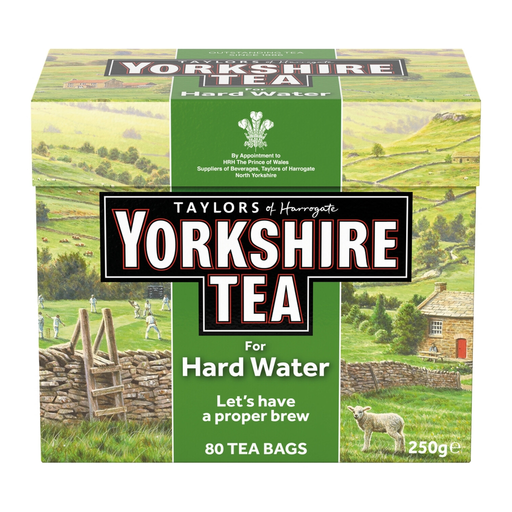 No image available
Consider this specialist blend if the recipient finds that ordinary tea brews too dark or thick with their local water. The pack contains 80 tea bags and is labelled 250g.
 No image available
A decaf choice for a recipient who already prefers lower-caffeine black tea, including later in the day. The stated pack weight is 250g; check the exact pack if a particular caffeine limit matters.
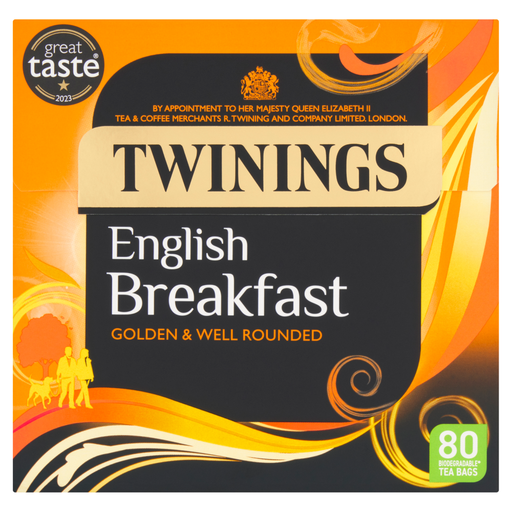 No image available
An English Breakfast option for someone who likes a familiar black-tea cup. Twinings lists this blend as 100% black tea; this pack contains 80 tea bags and is labelled 200g. Choose a labelled decaf product instead if that is the recipient’s preference.
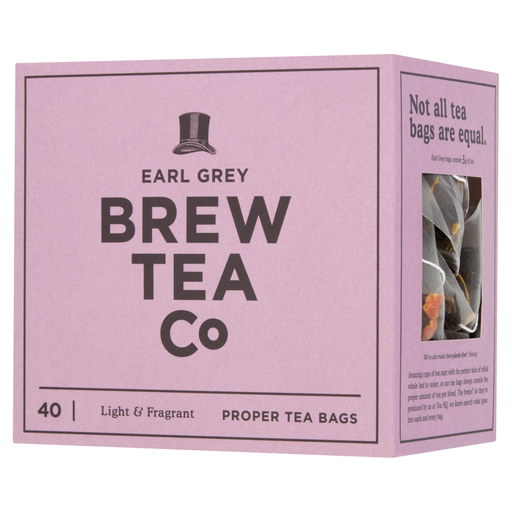 No image available
An Earl Grey choice when the recipient already enjoys that distinctive tea style, rather than a substitute for their usual plain black tea. The pack contains 40 tea bags and is labelled 120g.
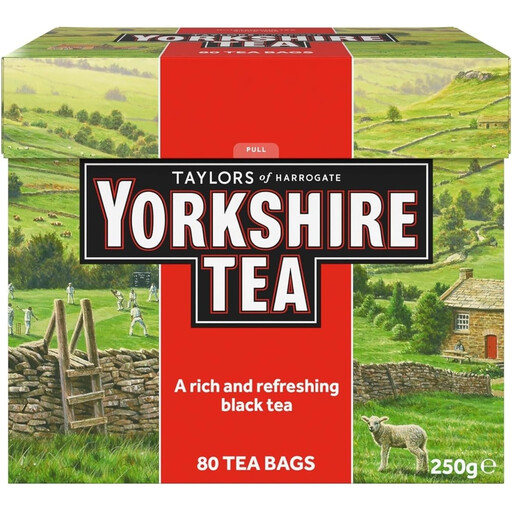 No image available
An everyday black-tea option for a recipient who usually drinks a straightforward cup. The pack contains 80 tea bags and is labelled 250g; choose the separately named Decaf or Hard Water blend if either distinction matters.
Start with an everyday or English Breakfast black tea if their usual drink is broadly a plain black tea. Twinings lists its English Breakfast as 100% black tea, whereas its Earl Grey contains bergamot and lemon flavourings that make it a different flavour choice.
Choose Earl Grey when the recipient already enjoys its fragrant, citrus-led character. Twinings lists bergamot and lemon flavourings in its Earl Grey; its English Breakfast is a 100% black-tea blend.
Choose a labelled decaf blend if they prefer lower-caffeine tea or already buy decaf. Yorkshire Tea describes its Decaf blend for later drinking, but evening tea is still a matter of the recipient’s preference; do not assume an ordinary black tea is decaf.
It may matter if the recipient finds that ordinary tea brews too dark or thick at home. Yorkshire Tea attributes that effect to minerals in hard water and offers a blend intended for that condition; it is not a necessary choice for every household.
Check both the exact pack and the recipient’s local council guidance. Twinings describes industrial compostability and Tetley describes food-waste-scheme conditions for part of its portfolio; North London Waste Authority says tea bags can go in a food-waste bin where the council provides that service. Industrial compostability does not establish suitability for home composting.