For an older person who enjoys black tea but is reducing caffeine, an 80-bag decaf box may suit their usual drinking routine; decaf can still contain some caffeine. Tea counts towards fluid intake according to the NHS, but it does not replace meals or an assessment of unexplained weight loss or poor appetite.
Who is the tea for?
The right box depends on the person’s preferred drink, whether caffeine matters to them and what support they need beyond a cup of tea.
Regular tea drinkers reducing caffeine
An older person may want to keep a familiar black-tea routine while cutting back on caffeine. The NHS says caffeine can irritate the bladder and worsen incontinence; University Hospitals of Leicester NHS Trust notes that decaf tea can still contain very low levels of caffeine.
Family carers stocking everyday drinks
An 80-bag box can be a practical choice when the person likes the flavour and drinks tea regularly. NHS guidance says tea counts towards daily fluid intake, alongside other suitable drinks; any individual fluid advice still takes priority.
Buyers concerned about poor appetite or weight loss
Tea may be a welcome drink, but it is not a substitute for meals or nutrition support. The NHS identifies people aged 65 and over as particularly at risk of malnutrition and advises seeking help when malnutrition is a concern.
What should you check before choosing?
Start with the drink the person will enjoy, then check caffeine information and the exact pack. Treat concerns about eating or weight loss as a separate question from which tea to buy.
| Priority |
What to check |
Your needs |
| Preferred drink and fluids |
Choose a flavour the person accepts; check that the box contains 80 bags and consider any individual fluid advice. The NHS includes tea in daily fluid intake. |
I’m stocking a drink they enjoy regularly, rather than choosing a tea solely for its pack size. |
| Caffeine |
Distinguish regular black tea, decaf tea and a herbal infusion. Check product-specific caffeine information if a limit matters: decaf does not necessarily mean caffeine-free, according to University Hospitals of Leicester NHS Trust. |
If caffeine is a concern, I want to check what the chosen tea actually says about it. The NHS says caffeine can irritate the bladder and worsen incontinence. |
| Nutrition concerns |
Read nutrition information for the exact product, but do not use plain brewed tea in place of meals or nutrition support. Ask a healthcare professional about unexplained weight loss or persistent poor appetite. |
Tea can remain part of their drinks routine, while concerns about how much they are eating receive separate attention. |
| Pack details |
Check the received box for ingredients, allergen information, decaf wording where relevant, storage instructions and the best-before date. Product information can change. |
When I’m buying for someone with an allergy, intolerance or caffeine requirement, I need to assess the box they will actually use. |
What can be easy to overlook?
-
Expecting tea to address poor nutrition
A preferred cup of tea can contribute fluid, but it does not replace food or assessment of suspected malnutrition. The NHS identifies older adults as a group particularly at risk.
Keep tea within the person’s wider eating and drinking routine. Seek advice from a GP or other appropriate healthcare professional about unexplained weight loss or poor appetite.
-
Assuming decaf contains no caffeine
University Hospitals of Leicester NHS Trust says decaf tea can still contain very low caffeine levels. Yorkshire Tea states 1.5mg to 2mg per average 200ml cup of its Decaf, brewed for five minutes; that figure does not describe other products or brewing conditions.
If a particular caffeine limit matters, check information for the exact tea rather than treating the word “decaf” as a zero-caffeine guarantee.
-
Choosing regular tea without considering bladder symptoms
The NHS says caffeine can irritate the bladder and worsen incontinence. That makes caffeine worth discussing when buying for someone who has these symptoms.
Ask what the person prefers and whether they have been advised to reduce caffeine. If so, compare suitable decaf or caffeine-free drinks without overlooking their overall fluid routine.
-
Relying only on an online product description
Ingredients, packaging and product information can change. A listing alone may not answer a person’s specific allergy or caffeine question about the box they receive.
Read the delivered pack’s ingredients, allergen information and relevant caffeine wording before serving the tea.
Brand and product-line references
These references concern the particular tea products described, not every tea made by each brand or the selection sold on Joybuy.
Yorkshire Tea
Yorkshire Tea Decaf is an 80-bag black-tea option with a stated residual-caffeine figure.
- Yorkshire Tea states 1.5mg to 2mg of caffeine per average 200ml cup brewed for five minutes.
- The brand’s figure is specific to that tea and brewing method; it is not a caffeine figure for regular Yorkshire Tea or every prepared cup.
Tetley
Tetley has an 80-bag, 250g decaf black-tea product for a familiar tea routine.
- The ASDA Groceries listing identifies decaffeinated black tea and gives 1kcal per 100ml of infusion.
- Check the received pack’s ingredients and caffeine-related wording when these details matter to the person drinking it.
Twinings
Twinings Everyday Decaffeinated is identified by Twinings as an 80-bag, 250g product.
- Its named pack format makes it relevant to an 80-bag decaf comparison.
- Confirm residual-caffeine information with the manufacturer or on the pack if a precise figure affects the choice.
Clipper
Clipper Organic Everyday Decaf is an 80-bag option for buyers looking for the product’s stated sourcing attributes.
- Clipper Tea Shop describes its ingredients as decaffeinated organically grown black tea and identifies the blend as Fairtrade.
- Organic and Fairtrade descriptions do not establish a nutritional advantage for an older person; check caffeine information separately if needed.
Typhoo
Typhoo identifies an 80-bag Decaf Premium product.
- The named product offers another 80-bag format to consider for a decaf tea routine.
- Typhoo notes that packaging may differ. Check the actual box’s decaf and ingredient information when choosing for a caffeine-sensitive drinker.
PG Tips
PG Tips is relevant to shoppers comparing familiar tea brands, but pack quantity needs checking.
- A Joybuy decaf-tea listing identifies PG Tips Decaf as 70 bags and 203g. That listed product is not an 80-bag equivalent.
80-bag options on Joybuy
These products cover peppermint infusion, decaf black-tea options and standard black tea in 80-bag packs. Choose by the person’s flavour preference and caffeine requirements; the products are not interchangeable on those points.
 No image available
Twinings Pure Peppermint 80 Pack
A peppermint option for someone who prefers a herbal infusion to black tea. Confirm the pack’s caffeine information if caffeine avoidance is essential; tea is not a substitute for nutrition support.
View on Joybuy
 No image available
Clipper Organic Fairtrade Decaf Everyday 80 Tea Bags 277g
An 80-bag decaf black-tea choice when organic ingredients and Fairtrade sourcing are priorities. Decaf need not mean zero caffeine, so check product-specific information if a strict limit matters.
View on Joybuy
 No image available
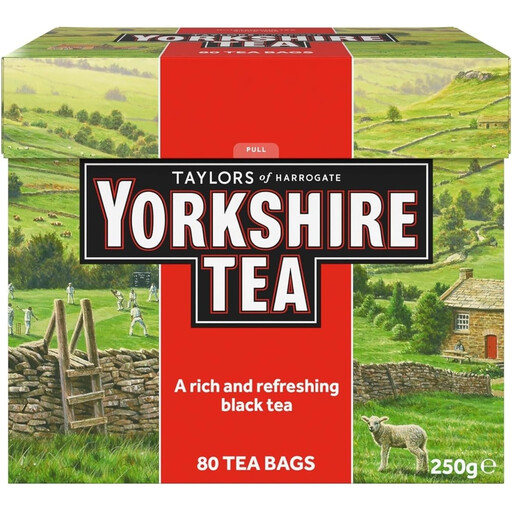
Taylors of Harrogate Yorkshire Tea 80 Tea Bags 250g
An 80-bag black-tea option when the person prefers standard tea and is not choosing specifically to reduce caffeine. Do not apply the caffeine figure for Yorkshire Tea Decaf to this product; check this pack if caffeine content affects the decision.
View on Joybuy
 No image available
Tetley 80 Decaffeinated Tea Bags 250g
An 80-bag product identified as decaffeinated tea for a familiar black-tea routine. Check the received pack’s decaf wording and caffeine information before relying on it for a particular caffeine requirement.
View on Joybuy
Common questions
Does tea count towards an older person’s fluid intake?
Yes. The NHS says tea and coffee count towards daily fluid intake. Follow individual clinical advice if the person has been told to restrict or manage their fluids.
Should every older tea drinker switch to decaf?
No. Consider decaf when the person wants to reduce caffeine or caffeine may aggravate bladder symptoms: the NHS says it can irritate the bladder and worsen incontinence. Decaf may still contain low levels of caffeine, according to University Hospitals of Leicester NHS Trust.
Can an 80-bag tea box address poor nutrition?
No. Tea can be a preferred drink, but it does not replace meals or an assessment of suspected malnutrition. The NHS identifies adults aged 65 and over as particularly at risk; seek healthcare advice about unexplained weight loss or persistent poor appetite.
What should I check when buying for someone with an allergy or intolerance?
Check the ingredients and allergen information on the exact pack before serving it. Do not rely solely on an earlier online description, because product information can change.


