Managers setting up self-service tea
Portioned black tea bags let guests prepare individual cups without a specialist tea machine. Plan a hot-water supply, a labelled display and a way to replenish bags during service.


Start with portioned black tea bags for self-service tea, then add decaf or herbal choices where they suit your guests. Coffee capsules are a separate coffee-service decision: check the machine system, capacity at breakfast peaks and cleaning arrangements before ordering.
The right format depends on whether the breakfast station needs straightforward tea service, a wider choice of drinks or a separate machine-brewed coffee offer.
Portioned black tea bags let guests prepare individual cups without a specialist tea machine. Plan a hot-water supply, a labelled display and a way to replenish bags during service.
A limited decaf or herbal selection can sit alongside breakfast tea. Check each variant’s ingredients, preparation instructions and storage needs rather than assuming the packs work alike.
Coffee capsules belong to the coffee station, not the tea selection. Match the capsules to the professional machine and plan for breakfast demand, cleaning and milk service.
Set the tea selection first, then assess coffee capsules against the equipment and service arrangements for a separate coffee station. For each tea pack, check how it will be displayed, stored and replenished.
| Priority | What to check | Your needs |
|---|---|---|
| Everyday tea | Check that the pack contains portioned black tea bags, how many bags it holds and its preparation instructions. | I want guests to make a familiar cup of breakfast tea without measuring loose leaves or using a tea machine. |
| Additional choices | Check whether each decaf, green or herbal option meets the intended preference; confirm its exact ingredients and serving instructions. | Not everyone wants standard black tea. A small, clearly labelled alternative may suit the guests at my buffet. |
| Coffee capsules | Confirm the capsule system and professional machine are compatible. Check capacity at breakfast peaks, cleaning arrangements and how milk drinks will be served. | If I offer machine-brewed coffee, I need a coffee setup that works during service while keeping tea available separately. |
| Allergen information | Keep current ingredient information for drinks and additions, including milk, plant-based drinks and flavoured products. Check how containers and utensils are managed at the station. | I need guests to be able to ask about ingredients before choosing a drink or adding milk or another product. |
| Pack presentation | Confirm whether the exact bags are individually wrapped or loose in the pack, and plan dry storage and replenishment accordingly. | My display needs to stay organised through breakfast without treating every retail or catering pack as interchangeable. |
| Disposal | Read the current pack’s disposal instructions and check whether the hotel’s waste contractor accepts the stated material or processing route. | Before describing a tea bag as compostable at this hotel, I need to know where used bags will actually go. |
Capsules make coffee within a compatible machine system; they do not provide the self-service tea choice guests may expect.
Specify the tea and coffee stations separately. Before choosing capsules, confirm the machine system, breakfast capacity, cleaning process and milk-service arrangement.
A black-tea station does not serve guests looking for decaf or a herbal drink.
Consider a small, clearly labelled secondary selection that fits the guest mix and available display space. Check the exact product rather than assuming all alternatives are caffeine-free.
A material described as biodegradable or industrially compostable may require a particular processing route. Yorkshire Tea’s 2018 packaging statement, for example, described industrial composting conditions for its then-current sealing material; that statement does not establish how a current pack should be disposed of.
Check the exact pack’s current instructions and ask the waste contractor what it accepts before making a claim about disposal at the hotel.
Ingredient questions concern more than the tea bag: milk, plant-based drinks and flavoured additions also need to be accounted for. Food Standards Agency guidance and Food Standards Scotland guidance state that food businesses must provide allergen information for prepacked and non-prepacked food and drink.
Keep product information current, label service containers clearly and make sure breakfast staff can direct guests to accurate allergen information.
These brand references illustrate different tea-service choices; a brand name alone does not establish the format or ingredients of a particular pack.
Tata Consumer Products describes Tetley as a tea brand with products for different tastes and occasions. Select a specific pack before assessing it for buffet use.
Yorkshire Tea lists standard, Gold, decaf and hard-water blends as distinct options.
Twinings offers catering products and describes its Revive Raspberry, Hibiscus & Vitamin C loose pyramid bags as suitable for smaller foodservice settings, including cafés and B&Bs.
Clipper identifies its Everyday 40 Tea Bags product as organically grown black tea traded in compliance with Fairtrade standards.
Typhoo lists a 100-bag Everyday One Cup product with 2 g of tea per bag, as well as other pack sizes.
These Joybuy options are portioned black teas for a hotel’s everyday tea station. Compare pack quantities and confirm the chosen pack’s presentation, instructions and ingredient information before setting it out for guests.
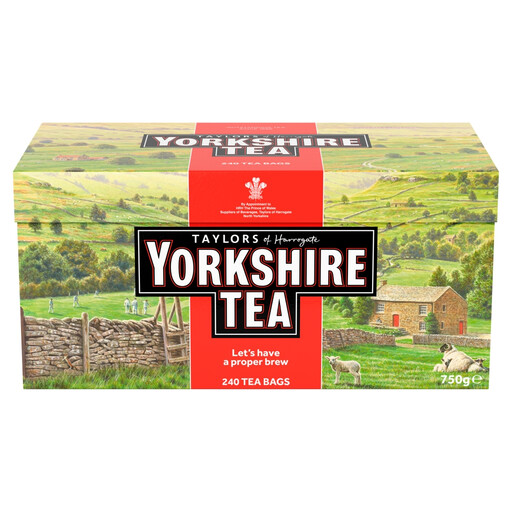 No image available
A portioned black tea option for the everyday self-service station. The pack contains 240 tea bags; confirm whether its presentation suits the buffet display.
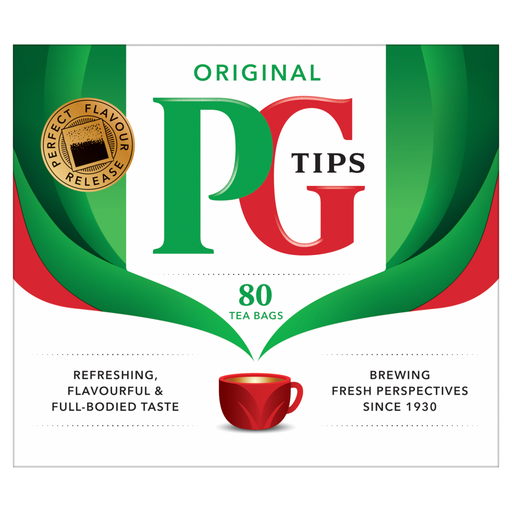 No image available
An 80-bag black tea pack for individual cups at the breakfast station. Confirm how the bags are presented; if disposal wording matters to the hotel, check the current pack instructions and waste collection route.
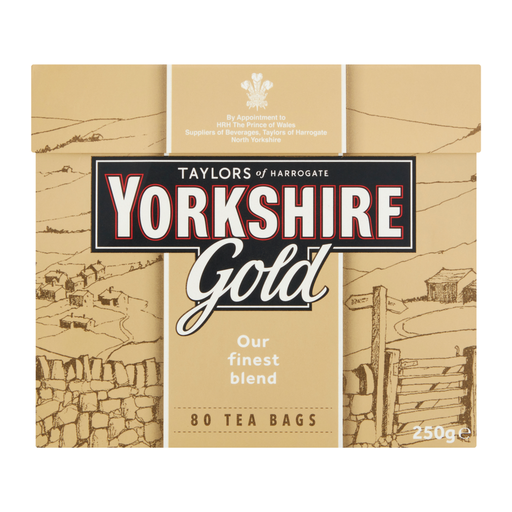 No image available
Another portioned black tea choice, in an 80-bag pack. Check the pack’s serving and storage instructions, and whether the bags’ presentation works for self-service.
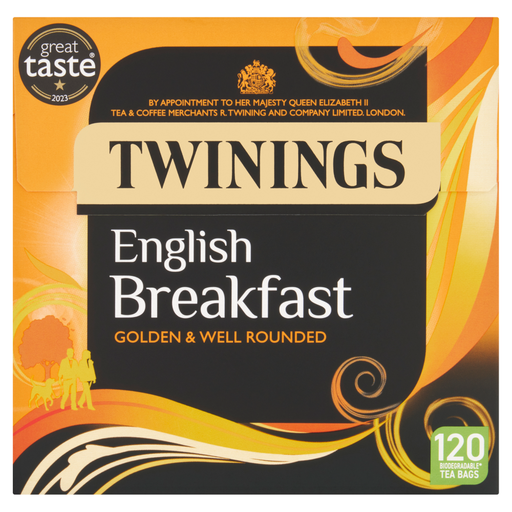 No image available
An English Breakfast black tea in a 120-bag pack for individual servings. Check the pack instructions before setting preparation guidance for guests or staff, and confirm its display format.
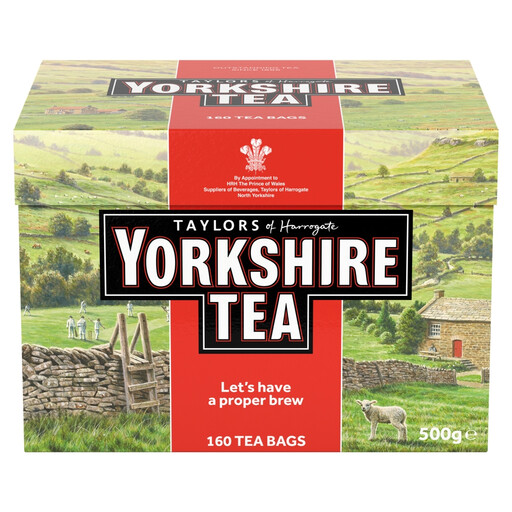 No image available
A 160-bag black tea pack for the everyday station. Check the current ingredient and allergen label carefully: the product information notes possible traces of milk, mustard, peanut, soya and other gluten sources. Confirm the bags’ presentation and the applicable disposal instructions before use.
No: use tea bags for tea and assess capsules as a separate way to serve coffee. Nespresso Professional describes hospitality machines for different service settings; check the chosen machine’s capsule system and its capacity at breakfast peaks before ordering.
A tea-bag station does not inherently need one. Typhoo’s Everyday One Cup instructions call for a bag in a cup and boiling water; the hotel still needs a suitable hot-water supply, dry storage, clear presentation and replenishment during service.
Start with a black tea option, then add decaf or another tea or infusion where it answers a guest need and fits the available display space. Check each product’s ingredients and preparation instructions; a herbal infusion and a decaf black tea are different choices.
Food Standards Agency guidance and Food Standards Scotland guidance state that food businesses must provide allergen information for prepacked and non-prepacked food and drink. Keep current information for the exact teas, coffees, milks, plant-based drinks and flavoured additions served, and make it accessible to staff answering guests’ questions.
That depends on the exact bag and the collection route. Read the current pack’s disposal conditions and confirm acceptance with the hotel’s waste contractor before telling guests where to put used bags.