After-dinner black-tea drinkers
If a familiar black tea is part of dinner winding down, the decision is whether regular tea’s caffeine suits the time you drink it or whether you would prefer decaf.


Tea bags are the simpler after-dinner choice if you do not already have a pod machine: choose regular black tea when caffeine timing is not a concern, decaf black tea when you want to reduce caffeine, or an infusion whose label confirms it is caffeine-free. Consider beverage pods only after checking that the exact pod fits your machine; their disposal route also depends on the pod and your local collection options.
If a familiar black tea is part of dinner winding down, the decision is whether regular tea’s caffeine suits the time you drink it or whether you would prefer decaf.
A decaf black tea keeps the black-tea format, while a herbal or fruit infusion offers a different flavour. Decaf can retain traces of caffeine, and an infusion needs its own ingredient check.
Single-serve pods are worth considering only if the exact product is listed as compatible with your machine. Check the disposal instructions and local collection route as well as the drink itself.
Start with the drink you want after dinner, then check its caffeine wording and preparation format. Packaging and ingredients matter at the level of the exact product, not just the brand.
| Priority | What to check | Your needs |
|---|---|---|
| Caffeine | Distinguish regular tea, labelled decaf and an infusion labelled caffeine-free. Check the exact ingredients: Twinings notes that mate or guarana can be exceptions among herbal and fruit blends. | I still want black tea in the evening, but would rather reduce caffeine; or I want a different infusion whose pack confirms its caffeine status. |
| Flavour and brewing | Choose between a black-tea blend and a herbal or fruit flavour. Follow the product’s brewing instructions before adjusting the strength. | A familiar black-tea cup matters more to me than trying a fruit, spice or herbal flavour—or the reverse. |
| Equipment | A tea bag can be brewed in a mug. For a pod, match the stated pod system to your machine model; do not assume beverage pods are interchangeable. | I want to make a drink without buying or using a machine, or I already own one and want a pod made for it. |
| Ingredients | Read the exact pack’s ingredients and allergen information, especially for flavoured blends or when a dietary requirement matters. | Before choosing a flavour or pack size, I need to check that particular product’s label rather than rely on another item in the range. |
| Disposal | Check the pack’s instructions and your local collection rules. Plant-based tea bags described as industrially compostable need a suitable scheme; pod collection routes can be separate. | I want to know where the used bag or pod can actually go in my area before making packaging part of the decision. |
Decaffeinated black tea can retain traces of caffeine. Twinings also notes that some herbal or fruit blends contain mate or guarana.
For black-tea flavour with reduced caffeine, check a labelled decaf product. If avoiding caffeine is the deciding factor, check the exact infusion’s caffeine wording and ingredients.
A pod intended for a different system may not work with your machine, even when it makes the drink you want.
Compare the machine manual with the pod listing’s explicit compatibility statement before ordering. Tea bags do not require a pod machine.
Industrial composting claims depend on access to a suitable scheme. Pod recycling may instead use a designated collection route.
Read the exact pack instructions and check your council or pod scheme. Central Bedfordshire Council, for example, describes Podback drop-off arrangements that include tea pods; that does not establish the arrangements elsewhere.
Pack instructions differ: Yorkshire Tea’s general guidance says 4–5 minutes, while Typhoo lists 1–5 minutes for its 80-bag Decaf product. Yorkshire Tea also cautions that heavily squeezing a bag can make its tea bitter.
Begin with the instructions on the tea you bought, then adjust the brew to your preferred strength.
These brand examples help distinguish tea types and pack-level claims; a brand name alone does not establish a product’s caffeine content, ingredients or disposal route.
Its range includes regular black tea, Decaf and a separate hard-water blend.
Its range separates decaffeinated teas from herbal and fruit infusions.
Its product descriptions include organic decaf black tea and decaf green tea.
PG Tips Decaf is a decaffeinated black-tea option.
Typhoo lists an 80-bag Decaf black tea made with Kenyan tea.
For a Tetley tea bag, check the particular pack’s tea type and disposal instructions.
These products are tea-bag choices for an after-dinner drink: decaf black or green tea and non-black-tea infusions. If you are considering pods instead, check your machine’s compatible format separately.
 No image available
A decaf black-tea choice if you want a familiar tea bag after dinner while reducing caffeine. Decaf does not necessarily mean caffeine-free, so check the pack’s caffeine statement if that distinction matters.
 No image available
For a green-tea rather than black-tea cup after dinner, this is a decaffeinated tea-bag option. Check the exact pack’s caffeine wording if you need to distinguish decaf from caffeine-free.
 No image available
A lemon-and-ginger tea-bag option when you would prefer a non-black-tea flavour after dinner. Check the exact pack’s ingredients and caffeine wording when either affects your choice.
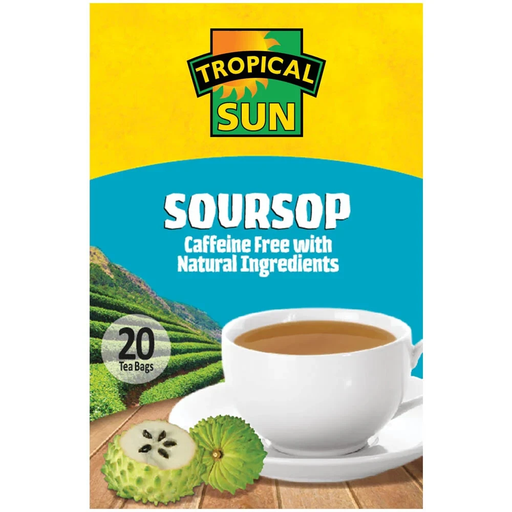 No image available
A soursop tea-bag option if you want a flavour other than black tea after dinner. Read the exact pack’s ingredients and caffeine statement before choosing it for a caffeine-specific reason.
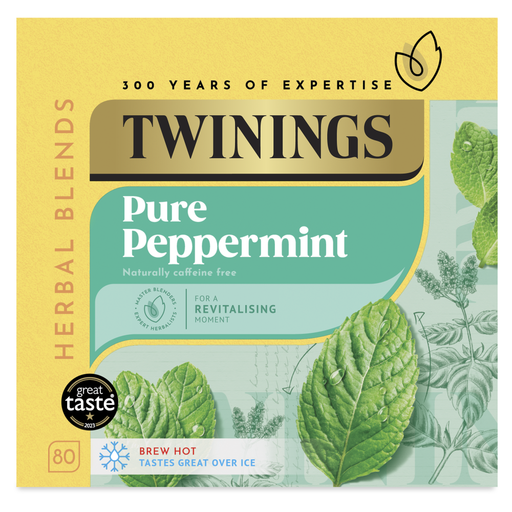 No image available
A peppermint option when you would rather have a mint flavour than black tea after dinner. Check the pack for its brewing directions and caffeine wording if either is important to your choice.
No. Decaf tea can retain traces of caffeine. Twinings states that most herbal and fruit infusions naturally contain no caffeine, but identifies blends with mate or guarana as exceptions. Use the exact product’s caffeine wording and ingredients to make the distinction.
If you want to reduce caffeine but keep black-tea flavour, compare labelled decaf black teas; if avoiding caffeine is your priority, look for an infusion whose pack confirms it is caffeine-free. NHS Borders advises avoiding caffeinated drinks close to bedtime because they can make people feel more awake and disrupt sleep.
Yes: the pod must be explicitly compatible with the machine you own. Check both the machine manual and the pod listing before buying; a general description such as “tea pod” does not establish compatibility.
Do not assume they can. Check the exact pack and your local collection instructions. Tata Consumer Products describes industrial composting for portions of its plant-based tea-bag portfolio where suitable food-waste schemes are available; Central Bedfordshire Council describes designated Podback drop-off arrangements for beverage pods in its area.
Start with the instructions on the pack you bought. Yorkshire Tea’s general guidance suggests 4–5 minutes and cautions against heavily squeezing the bag, while Typhoo gives a 1–5 minute range for its listed 80-bag Decaf product. Those different instructions are a reason to check the particular tea rather than use one timing for every bag.